India Strongly Reply NATO Chief’s “100% Tariff” Oil Threat
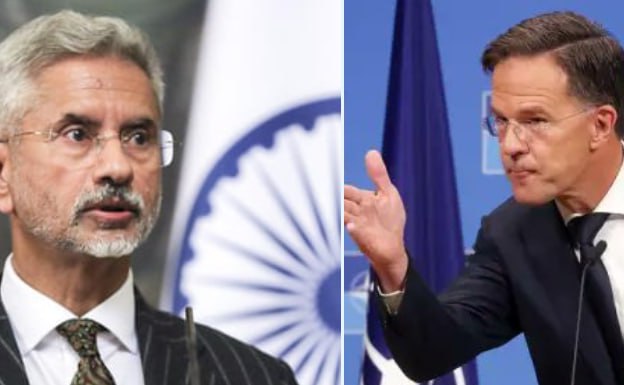
India has strongly rejected NATO Secretary-General Mark Rutte’s warning of “100% secondary sanctions” on countries continuing to buy Russian oil, asserting that energy security is its sovereign priority and cautioning against “double standards.”
During remarks from Washington this week, Rutte cautioned that nations like India, China, and Brazil could be hit “very hard” by secondary sanctions or steep tariffs if they continue their oil trade with Russia . The warning echoed similar threats from former US President Donald Trump, who indicated that buyers of Russian exports might face 100% tariffs unless Russia negotiates peace in Ukraine within 50 days .
India’s Steadfast Reply
India’s External Affairs Ministry, through spokesperson Randhir Jaiswal, stated:
“Securing the energy needs of our people is understandably an overriding priority. We would particularly caution against any double standards on the matter.”
The statement reaffirmed India’s commitment to market-based sourcing in alignment with global circumstances, without succumbing to external pressure .
Energy Minister Downplays Tariffs
Speaking separately, Oil Minister Hardeep Singh Puri indicated India is well-prepared to mitigate any impacts from sanctions or tariffs, thanks to diversified sourcing:
-
India now imports from approximately 40 countries, compared to 27 previously .
-
Top Russian oil suppliers, such as Reliance Industries and Nayara Energy, contributed significantly during the first half of the year .
-
Should Russian supplies be affected, India stands ready to pivot to alternatives like Guyana, Brazil, Canada, and ramp up domestic production and global sourcing .
Puri emphasized:
“I’m not worried at all. If something happens, we’ll deal with it.”
Context and Strategic Outlook
India relies on 85% imported oil, with Russia accounting for around 35% of its crude intake . Russian oil’s discounted rates have been instrumental in easing India’s forex import costs .
Analysts warn that steep tariffs could force import shifts to pricier grades like West Texas Intermediate (WTI) or Brazilian pre-salt, impacting the country’s import bill and inflation .
Still, India maintains it has strategic buffers, including 21–25 days of oil reserves, and the ability to handle supply disruptions like a Strait of Hormuz shutdown .
No Compromise on Sovereignty
India made it clear: “We don’t need your speeches” when it comes to national energy choices. The government's firm rebuke underscores its resolve to act independently, balancing diplomatic engagement with economic necessity.
By resisting external pressure and maintaining diversified energy ties, India continues to chart a sovereign and pragmatic path aimed at stabilizing domestic markets and preserving autonomy in global affairs.
India’s firm stance signals a clear message: energy security and national interests rank above external coercion, and any attempt to impose economic penalties will be met with strategic adaptability and resilience.
✍️ This article is written by the team of The Defense News.