India Sets Bold New Terms for Russia’s Su-30MKI Engine Upgrade Deal
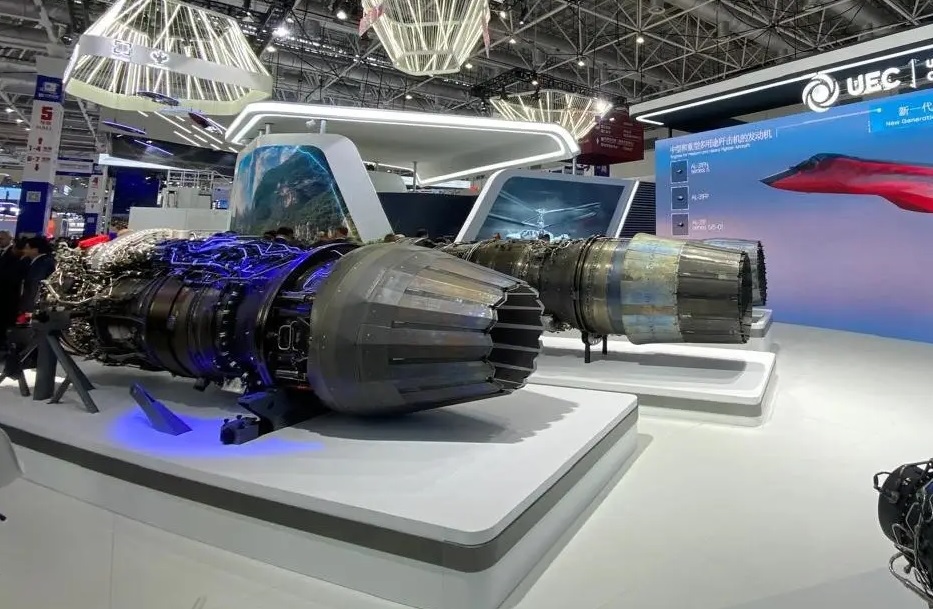
In a significant move reflecting India’s growing emphasis on defence self-reliance, the Indian government has set stringent conditions for Russia’s proposal to upgrade its Su-30MKI fighter aircraft with the next-generation Product 117S engines. The conditions mark a major shift in the country’s defence procurement policy, rooted firmly in the Atmanirbhar Bharat initiative and a drive for strategic autonomy.
India’s demands include at least 80% technology transfer and mandatory on-site testing in India in the presence of Russian engineers. This is a stark departure from earlier practices where India often accepted limited technology-sharing in major defence contracts.
Russia’s Engine Offer: A Technological Leap
Russia’s United Engine Corporation (UEC) has offered two options to power the Indian Air Force’s frontline Su-30MKI fleet — the AL-41F, which powers the Russian Su-35, and the more advanced Product 117S (also known as Izdeliye 117S). The 117S engine is a major upgrade, drawing on the AL-51F1 technology used in Russia’s fifth-generation Su-57 stealth fighter.
Technically, the Product 117S engine offers:
-
14,500 kgf of thrust (compared to the current AL-31FP’s 12,500 kgf)
-
A thrust-to-weight ratio of 9.5:1, significantly higher than the current 8.2:1
-
A service life of 6,000 hours, three times longer than existing engines
-
Improved fuel efficiency, reduced operational cost, and stealth-enhancing features
These performance upgrades could make the Su-30MKI one of the most advanced fourth-generation fighters in service today, bridging the gap between legacy systems and fifth-generation platforms.
India’s 80% Technology Transfer Demand
What sets this proposal apart is India’s insistence on a minimum 80% transfer of technology. This is much higher than the current level of technology transfer for AL-31FP engines, which are manufactured by Hindustan Aeronautics Limited (HAL) at the Koraput plant, with only about 60% localisation and even lower indigenous content (below 54%).
With the new demand, India aims to:
-
Gain access to core engine technologies
-
Reduce dependency on Russian suppliers
-
Empower HAL and other domestic firms to handle future engine programs, especially for the upcoming Advanced Medium Combat Aircraft (AMCA)
This push for deeper indigenisation is also a reaction to decades of one-sided agreements, where India remained dependent on foreign partners for spare parts, raw materials, and intellectual property.
On-Site Testing in India: A Safety Clause
Along with the technology transfer, India is also requiring that all testing and integration of the Product 117S engine be done within India, with Russian engineers on the ground. This ensures two key goals:
-
Indian engineers gain hands-on exposure to cutting-edge propulsion systems
-
The testing program remains uninterrupted, regardless of global geopolitical uncertainties
With the 117S engine still under development, India’s insistence on local testing ensures that technical issues can be ironed out before large-scale production begins. It also guards against delivery delays, similar to those faced in the S-400 missile system program due to Russia’s ongoing military commitments.
Part of the Super Sukhoi Vision
The engine upgrade is a critical part of the Indian Air Force’s ₹63,000–66,000 crore Super Sukhoi modernization program, which seeks to upgrade 84 Su-30MKIs in the first phase. The goal is to enhance the aircraft’s lifespan and combat potential, bringing it closer to fifth-generation capabilities.
The upgrade plan includes:
-
Indigenous Virupaksha AESA radar
-
Next-gen electronic warfare suites
-
AI-enabled avionics
-
Support for Manned-Unmanned Teaming (MUM-T)
-
An increase in indigenous content from 63% to 78%
The Defence Acquisition Council cleared the plan in November 2023, and once final clearance is given by the Cabinet Committee on Security, the first upgraded jets could be ready by 2028, with complete upgrades taking nearly 15 years.
Risk Mitigation and Long-Term Strategy
India’s tough negotiating position is also a risk mitigation strategy. With the 117S engine not yet in full service in Russia and the country's defence industry facing strain due to global sanctions and prolonged warfare, India wants to ensure that its investments are safe.
These new terms help India:
-
Avoid future supply chain disruptions
-
Ensure performance standards are met
-
Reduce post-deployment surprises with untested systems
By demanding a significant transfer of knowledge and on-site integration, India is also preparing its industrial base for greater self-sufficiency in advanced military technologies.
The Future of India-Russia Defence Ties
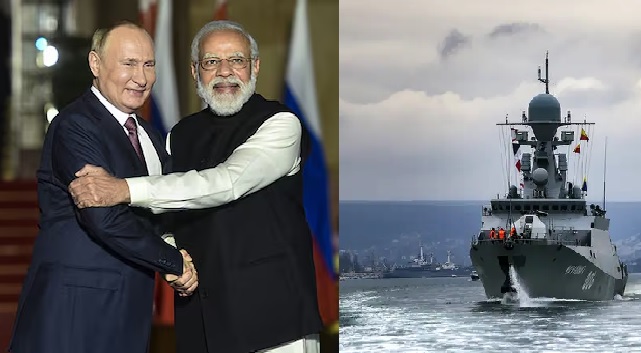
This deal could be a turning point in India-Russia defence relations. If Russia agrees to India’s terms, it would signal a new level of trust and partnership, opening doors for joint development of other high-end technologies, such as fifth-generation fighters and long-range missiles.
However, if Russia finds India’s conditions too difficult, it may push India further toward diversifying its defence partnerships, especially with Western nations. The recent GE-F414 engine deal with the US and joint ventures with France and Israel are clear indicators that India is no longer tied to any one supplier.
India’s firm stance on the Su-30MKI engine upgrade reflects a broader transformation in its defence approach—from a passive buyer to a confident, assertive partner. By placing technology transfer and domestic testing at the heart of negotiations, India is not only protecting its strategic interests but also investing in the future of its defence industry.
This is more than just an engine upgrade; it is a statement of intent. As India marches toward becoming a global defence manufacturing hub, such high-stakes deals will define how the country asserts its sovereignty, builds capacity, and reshapes its place in the global defence ecosystem.
✍️ This article is written by the team of The Defense News.