India Set to Finalise ₹1-Lakh-Crore Submarine Deals to Strengthen Naval Power
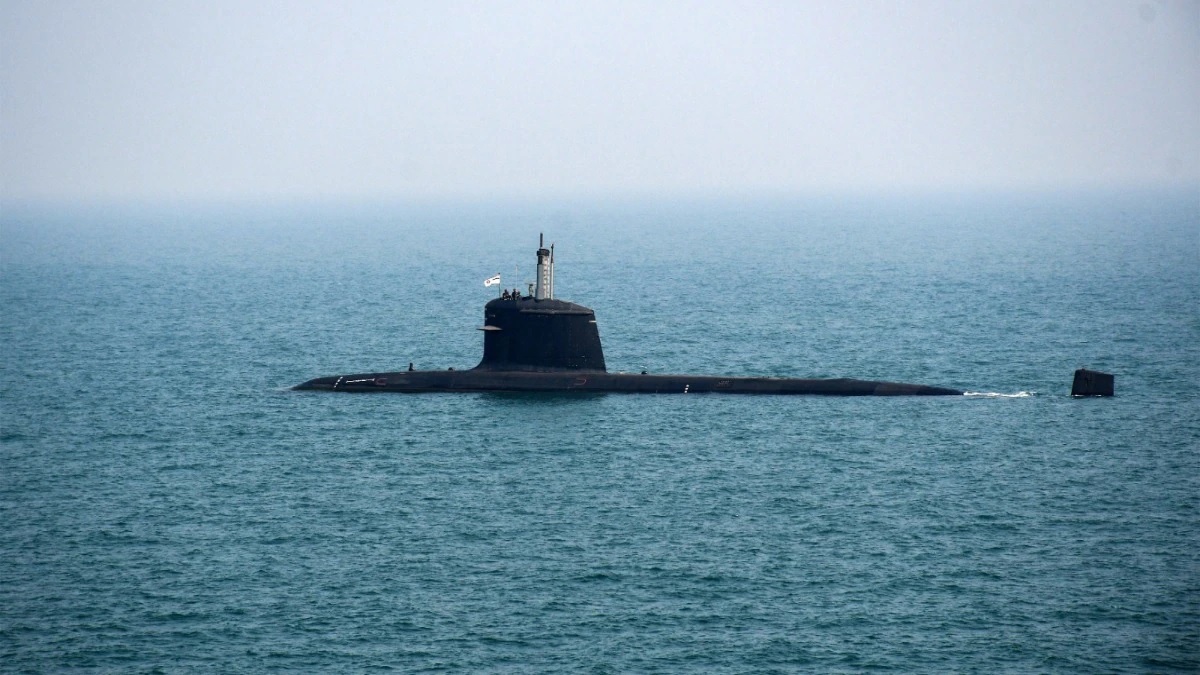
New Delhi, 31 August 2025 – In a decisive step to boost its naval strength against growing Chinese presence in the Indian Ocean, India is preparing to seal two mega submarine deals worth over ₹1 lakh crore by the middle of next year. These landmark projects are expected to transform the Navy’s underwater warfare capabilities over the next decade.
First Deal: Three More Scorpène Submarines (₹36,000 Crore)
The first contract under negotiation involves the purchase of three additional Scorpène-class submarines. These will be built jointly by Mazagon Dock Limited (MDL) and France’s Naval Group in Mumbai.
This deal, cleared by the Defence Ministry more than two years ago, faced delays due to technical and commercial discussions. Once signed, the three new submarines will join the Navy’s Kalvari-class fleet, of which six have already been delivered under Project-75.
Unlike the earlier batch, the new submarines will feature advanced technologies such as Air-Independent Propulsion (AIP) systems developed by DRDO, improved combat management systems, and higher indigenous content to strengthen self-reliance.
Second Deal: Project-75I—Six Advanced Stealth Submarines (₹65,000 Crore)
The second and much larger project is the ambitious Project-75 India (P-75I), under which the Navy will induct six next-generation stealth diesel-electric submarines.
After a long evaluation process, Germany’s ThyssenKrupp Marine Systems (TKMS), in partnership with MDL, has emerged as the lead partner. The boats will feature cutting-edge stealth, fuel-cell based AIP, and advanced strike weapon systems, making them far superior to the current fleet.
This programme is also one of the biggest ‘Make in India’ defence projects, with the first submarine expected to have around 45% indigenous content, gradually rising to 60% in later boats. This ensures not only stronger defence manufacturing in India but also full technology transfer from Germany.
Timelines and Delivery
Negotiations for the Scorpène submarines are nearly complete, and the contract is expected to be signed early next year. The more complex P-75I programme will take longer, with final cost negotiations expected to conclude within six to nine months.
Deliveries under both deals will begin about six years after contract signing, meaning the first submarines could enter service in the early 2030s, with the full fleet arriving by the mid-to-late 2030s.
Strategic Importance
India currently operates a fleet of 16 conventional submarines, but many of them—such as the Russian-built Kilo class and German Shishumar class—are over three decades old. With China rapidly expanding its naval power and deploying submarines in the Indian Ocean, India urgently needs modern undersea platforms to maintain a credible deterrent.
The Scorpène follow-on order will provide a proven and reliable platform, while the P-75I submarines will introduce next-generation technology, giving the Navy a significant edge in stealth operations, intelligence gathering, and sea-denial missions.
Industrial Impact
These projects also have massive industrial significance. They will create thousands of jobs, boost India’s shipbuilding capacity, and expand the country’s defence supply chain. MDL is expected to upgrade its infrastructure to handle both projects simultaneously, ensuring timely execution.
By combining foreign technology transfer with indigenous development—particularly through DRDO’s AIP system—India is not just acquiring submarines but also building long-term capability to design and construct advanced submarines independently in the future.
In short, these twin submarine deals mark a turning point in India’s naval modernisation drive. Together, they will strengthen the Navy’s undersea fleet, ensure operational superiority in the Indian Ocean, and reinforce India’s path toward defence self-reliance.
✍️ This article is written by the team of The Defense News.