India, Saudi Arabia and other Countries opt out of Signing Ukraine Declaration in Switzerland
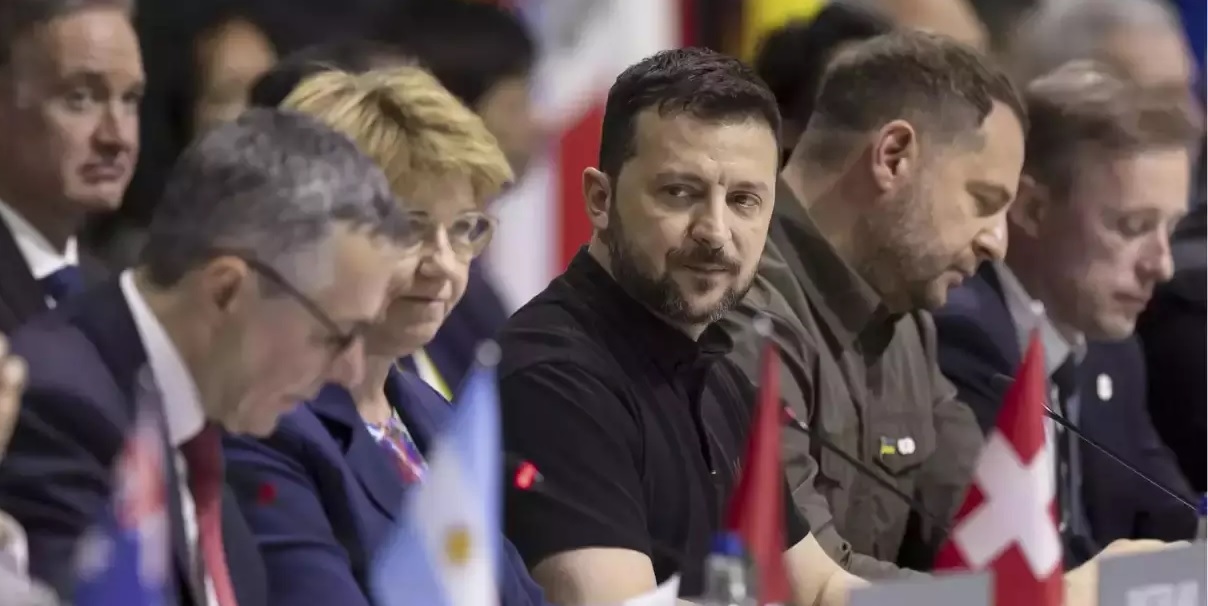
India, along with several other nations, chose not to sign the final communique at the Ukraine peace summit in Switzerland, underscoring its consistent diplomatic approach towards resolving the conflict through dialogue.
At the recent Ukraine peace summit held in Switzerland, India was among the countries that chose not to sign the final communique. The summit, attended by over 90 nations, aimed to seek consensus on resolving the ongoing conflict between Russia and Ukraine. However, India, alongside countries such as Saudi Arabia, South Africa, Thailand, Indonesia, Mexico, and the UAE, abstained from endorsing the final document.
India's Delegation and Participation
India's delegation was led by Pavan Kapoor, Secretary (West) of the Ministry of External Affairs. The Ministry of External Affairs (MEA) clarified that India participated in the opening and closing plenary sessions but did not associate itself with any communique or document emerging from the summit. The MEA stated that India's approach remains consistent in advocating for a lasting and peaceful resolution to the conflict through dialogue and diplomacy.
Switzerland’s Role and Summit Details
Switzerland, the host of the summit, reported that the majority of the participating countries signed the communique. However, notable exceptions included India and Brazil, the latter listed as an observer. The final communique addressed Russia's invasion, emphasizing Ukraine’s sovereignty over the Zaporizhzhia nuclear plant and its Azov Sea ports, while omitting more contentious issues such as NATO membership and troop withdrawals.
India's Position on the Ukraine Conflict
India has maintained a neutral stance throughout the conflict. Prime Minister Narendra Modi, in a recent meeting with Ukrainian President Volodymyr Zelenskyy at the G7 Summit, reiterated India's commitment to supporting a peaceful solution through dialogue. Zelenskyy thanked Modi for sending a high-level delegation to the peace summit and acknowledged India's "human-centric" approach to resolving the conflict.
Western Powers and the Summit Outcomes
Western powers pushed for a unified stance on ending the war, but the summit concluded without unanimous agreement. The final declaration condemned the invasion and rejected Russia's conditions for peace, which included Ukraine's withdrawal from occupied territories and renunciation of its NATO aspirations. Italian Prime Minister Giorgia Meloni dismissed these demands as propaganda, emphasizing the need for nuclear safety, food security, and prisoner exchanges.
Future Prospects and India's Role
The path to peace remains uncertain, with no clear indication of future talks involving Russia. India, however, continues to engage with all stakeholders, emphasizing a practical and sincere engagement between the conflicting parties. This stance aligns with India's broader diplomatic strategy of promoting peace and stability through balanced and thoughtful international relations.
India’s decision not to sign the final communique reflects its commitment to a nuanced and independent foreign policy, aiming to facilitate dialogue and uphold international law while remaining neutral in global conflicts.
✍️ This article is written by the team of The Defense News.