New Delhi: Iranian media reports and regional defence publications indicate that India’s landmark defence procurement clearance at the end of 2025 may have extended well beyond the publicly acknowledged purchase of SPICE-1000 Precision Guidance Kits, potentially including discreet approvals for two advanced Israeli air-launched strike weapons — Air LORA and Ice Breaker missiles.
The reports are linked to the December 29, 2025 meeting of the Defence Acquisition Council (DAC), chaired by Defence Minister Rajnath Singh, which cleared a broad acquisition package valued at approximately $8.7 Billion. While official disclosures focused on the SPICE-1000 deal with Rafael Advanced Defense Systems, Iranian and Israeli-linked outlets claim that the approvals also covered long-range stand-off missile capabilities intended to significantly expand the Indian Air Force (IAF) deep-strike envelope.
SPICE-1000 Deal Forms The Confirmed Core Of The Package
The SPICE-1000 procurement remains the most clearly established component of the DAC decision. The guidance kits convert standard 1,000-lb Class Unguided Bombs into long-range, highly accurate precision weapons, sharply enhancing the IAF’s ability to conduct Deep Strike Missions.
SPICE-1000 integrates Electro-Optical Scene Matching, INS/GPS Navigation, and Man-In-The-Loop Control, enabling accurate target engagement even in GPS-Degraded Or Electronic Warfare Environments. With a reported stand-off range of up to 125 Kilometres, depending on launch profile, the system allows strike aircraft to operate outside dense Enemy Air Defence Zones. The December clearance reportedly covers around 1,000 Kits, representing a substantial expansion of India’s precision-guided munition inventory.
Air LORA Would Add Long-Range Quasi-Ballistic Strike Capability
According to the reports, India may also have quietly cleared Air LORA, the air-launched variant of the LORA (Long Range Artillery) missile developed by Israel Aerospace Industries.
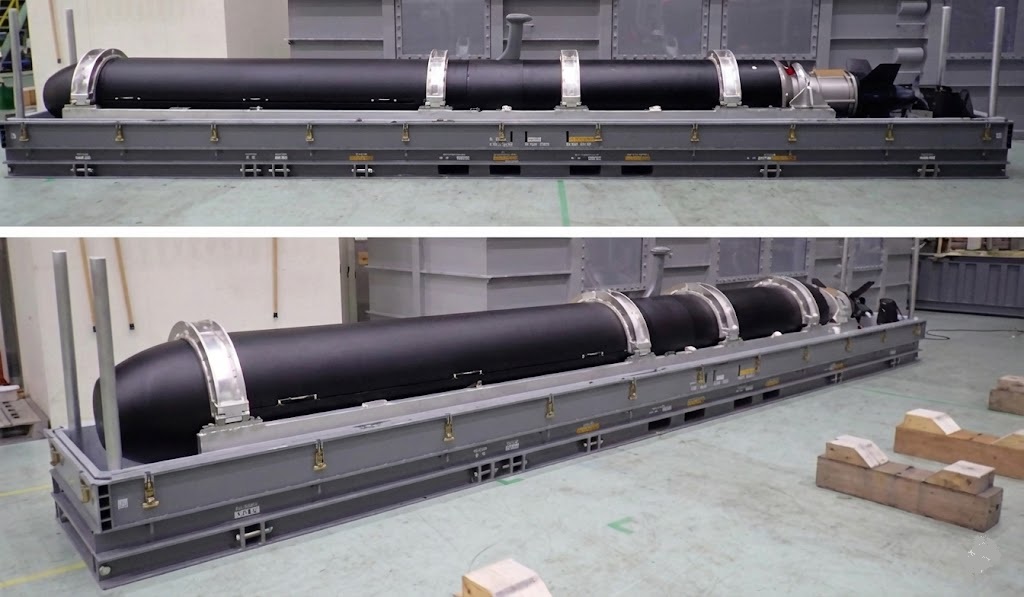
Air LORA is designed as a Quasi-Ballistic, Long-Range Precision Strike Missile, optimised for attacking Hardened And High-Value Fixed Targets such as air bases, command centres, radar installations, and missile infrastructure. Open technical data describes the missile as approximately 5.2 Metres In Length, with a launch weight of around 1,600 Kilograms. Its reported range varies by mission profile but is generally assessed in the 280–400 Kilometre Class when air-launched.
The missile employs INS/GPS Guidance, offering a reported Circular Error Probability (CEP) in the Single-Digit To Low-Double-Digit Metre Range, and is marketed as a Fire-And-Forget Weapon capable of rapid, high-confidence deep strikes. If inducted, Air LORA would represent a major leap in India’s air-launched strike reach.
Ice Breaker Offers Autonomous Cruise Missile Flexibility
The reports further suggest possible approval of Ice Breaker, Rafael’s next-generation air-launched cruise missile derived from the Sea Breaker Family.
Ice Breaker is described as a Fifth-Generation, AI-Enabled Precision Missile capable of engaging both Maritime And Land Targets. Open information points to a range of approximately 300 Kilometres Or More, supported by Electro-Optical And Infrared Imaging, advanced Scene-Matching Algorithms, and autonomous terminal target recognition.
The missile is designed to function effectively in GPS-Denied And Heavily Jammed Environments, selecting complex flight paths and recognising targets independently during the terminal phase. Its relatively compact size is intended to allow integration across a wide range of Modern Fighter Aircraft.
Combined Impact On Indian Air Force Strike Doctrine
If confirmed, the combined induction of SPICE-1000, Air LORA, and Ice Breaker would give the Indian Air Force a Layered Stand-Off Strike Architecture. SPICE-1000 would address medium-range precision attack needs, Ice Breaker would provide flexible long-range cruise missile options, and Air LORA would deliver a heavy, high-speed solution for Hardened Or Time-Critical Targets.
Such a mix would significantly strengthen India’s Deterrence Posture, aligning with evolving requirements for Precision, Survivability, And Deep Penetration Capability in contested airspace.
Official Silence Leaves Missile Reports Unconfirmed
While the SPICE-1000 Procurement is clearly linked to the December 29 DAC decision, there has been No Official Confirmation from the Ministry of Defence regarding the acquisition of Air LORA or Ice Breaker missiles. Defence analysts note that sensitive missile procurements are often handled with limited public disclosure, particularly during early contract or negotiation stages.
Until formal announcements are made by the Indian government or Israeli manufacturers, the reported missile approvals remain Credible But Unverified. Nevertheless, their repeated appearance in regional defence reporting highlights the scale and ambition of India’s late-2025 defence modernisation push.
Outlook
Attention will now turn to future Ministry Of Defence Statements, export licence disclosures, and possible announcements related to Local Manufacturing Or Technology Transfer, consistent with India’s Make In India defence strategy. Should the reported approvals materialise, they would mark a quiet but consequential shift in India’s Long-Range Air Strike Capability.