India Plans Network of Shore Stations to Protect Coasts
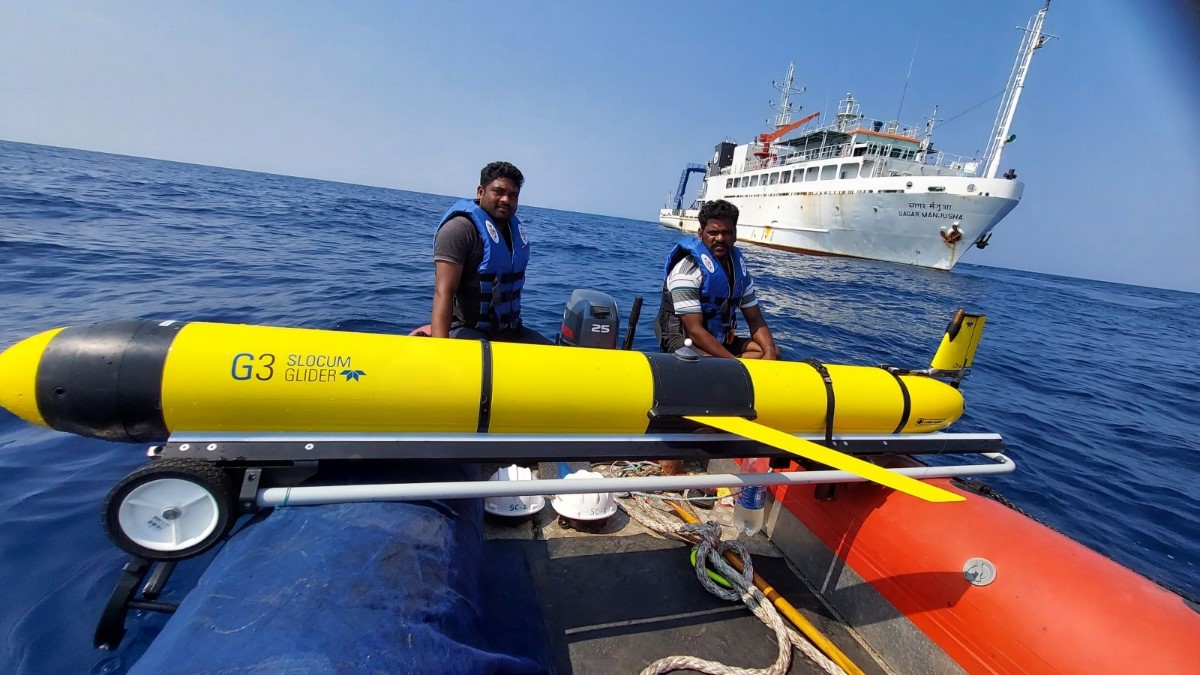
The Indian National Centre for Ocean Information Services (INCOIS), under the Ministry of Earth Sciences, is preparing to establish a network of shore stations along India’s vast coastline. This initiative aims to strengthen ocean observation, improve disaster warning systems, and provide critical data for coastal management, fisheries, and climate studies.
What Are Shore Stations?
Shore stations are land-based facilities equipped with advanced sensors, radar systems, and communication units that continuously monitor the ocean and coastal environment. Unlike satellites or offshore buoys, which provide broad but sometimes delayed information, shore stations can deliver real-time, localized data on sea surface conditions, currents, tides, and even unusual wave activity.
They act as fixed observation posts, transmitting data directly to INCOIS headquarters in Hyderabad, where it is analyzed and integrated into forecasting systems. Such stations are particularly valuable in densely populated coastal areas where accurate, timely information can save lives and reduce economic losses.
Why This Move Matters
India has over 7,500 kilometers of coastline, home to more than 250 million people and a thriving economy that depends heavily on ports, fishing, tourism, and coastal industries. The country is also vulnerable to cyclones, tsunamis, storm surges, and coastal erosion. By establishing shore stations, INCOIS seeks to:
-
Enhance early warning systems for cyclones, tsunamis, and high-wave events.
-
Support fishermen with reliable advisories on fishing zones, ocean conditions, and safety alerts.
-
Improve climate research, as the stations provide continuous datasets for long-term monitoring of sea-level rise, temperature changes, and ocean currents.
-
Assist coastal development and security, ensuring safer navigation and better coastal planning for ports and harbors.
Benefits Beyond Warnings
The network will complement INCOIS’s existing infrastructure, such as the Indian Tsunami Early Warning Centre, satellite-based ocean data, and buoy arrays deployed in the Indian Ocean. Shore stations can provide finer-scale, nearshore observations that satellites often cannot capture accurately. For instance, they can detect coastal upwelling events critical for fish productivity or monitor erosion patterns threatening coastal villages.
In addition, the data can be shared with the Indian Navy, Coast Guard, and disaster management agencies, enhancing maritime security and preparedness. Tourism hubs such as Goa, Kerala, and the Andaman Islands may also benefit from better monitoring of coastal waters, ensuring safety for beachgoers and water-based activities.
INCOIS’s plan for shore stations is part of a broader strategy to modernize India’s ocean observation capabilities under the Deep Ocean Mission. With climate change increasing the frequency and intensity of extreme weather events, coastal resilience has become a national priority. By investing in this infrastructure, India is positioning itself as a leader in ocean science and disaster preparedness in the Indian Ocean region.
In essence, these shore stations represent more than just scientific installations—they are a bridge between cutting-edge ocean research and the everyday safety and livelihood of millions of Indians who depend on the sea.
✍️ This article is written by the team of The Defense News.