India Inches Closer To ₹4,000-Crore BrahMos Export Deals With Vietnam, Indonesia; Russian Clearance Awaited
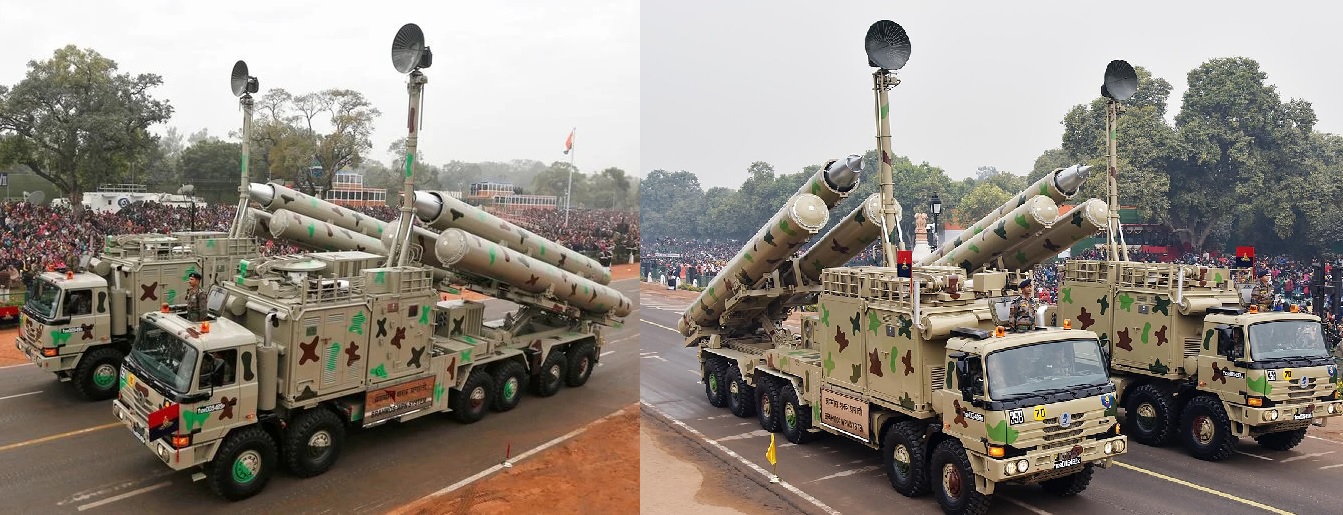
India has moved significantly closer to finalising two major defence export agreements to supply the BrahMos Supersonic Cruise Missile System to Vietnam and Indonesia, deals that together are estimated to be worth more than ₹4,000 crore, people familiar with the matter said. The proposed contracts, once concluded, would mark one of India’s largest missile export initiatives and reinforce New Delhi’s expanding footprint in the Indo-Pacific defence market.
Negotiations with both Southeast Asian nations have reached an advanced stage, with the broad commercial and operational terms already agreed upon. What now stands between the discussions and formal signing is a written No-Objection Certificate (NOC) from Moscow, a mandatory step because BrahMos is produced by BrahMos Aerospace, an India–Russia joint venture that incorporates Russian-origin technology.
Officials indicated that Russia has conveyed its approval in principle, and the remaining clearance is largely procedural. Once the NOC is issued, the contracts can move quickly toward execution, including finalisation of delivery timelines, training packages, and long-term logistical support.
Strategic Push In Southeast Asia
The twin deals are part of India’s broader strategy to position itself as a reliable supplier of advanced weapon systems to friendly countries, particularly in Southeast Asia, where maritime security concerns have intensified. Both Vietnam and Indonesia have been seeking to strengthen their coastal defence and sea-denial capabilities amid growing strategic competition in regional waters.
Defence planners say the BrahMos system fits well with these requirements. Known for its high speed and low-altitude flight profile, the missile is designed to penetrate modern air-defence networks and strike naval or land targets with short reaction times. Export variants are configured in line with international regimes, while still offering what officials describe as a credible deterrent capability.
Scope For Follow-On Orders
People tracking the talks said that the current negotiations focus on initial acquisition packages, but both Vietnam and Indonesia are expected to consider additional orders in the future once the systems are inducted and operational experience is gained. Such phased procurement is common in missile programmes, where countries often expand purchases after evaluating performance, integration with existing platforms, and training outcomes.
This approach mirrors the experience of the Philippines, which became the first foreign customer for BrahMos. Manila signed a $375-million contract in 2022 for a shore-based coastal defence system, with deliveries beginning in 2024. That deal is widely seen within the Indian defence establishment as a proof of concept for exporting high-end missile technology.
Russia’s Role And The Final Hurdle
BrahMos Aerospace is jointly owned by India and Russia, making Russian approval essential for third-country exports. While geopolitical complexities have at times slowed decision-making, officials described the current stage as a formality rather than a substantive obstacle. The expectation is that once Moscow issues the formal NOC, the Vietnam and Indonesia agreements could be signed without significant delay.
Boost To India’s Defence Export Ambitions
If concluded, the two contracts would significantly bolster India’s defence export figures and underline the shift from being primarily an arms importer to an emerging exporter of sophisticated systems. Beyond their commercial value, the deals are also seen as strategically important, deepening defence partnerships with key ASEAN nations and aligning with India’s broader Indo-Pacific outreach.
For New Delhi, the prospective BrahMos sales to Vietnam and Indonesia would send a clear signal: India is not only willing but increasingly capable of supplying complex, frontline weapon systems to partners seeking to enhance their security in a rapidly changing regional environment.
✍️ This article is written by the team of The Defense News.