India Grants Stay to Persecuted Minorities Arriving by 2024 — No Documents Required
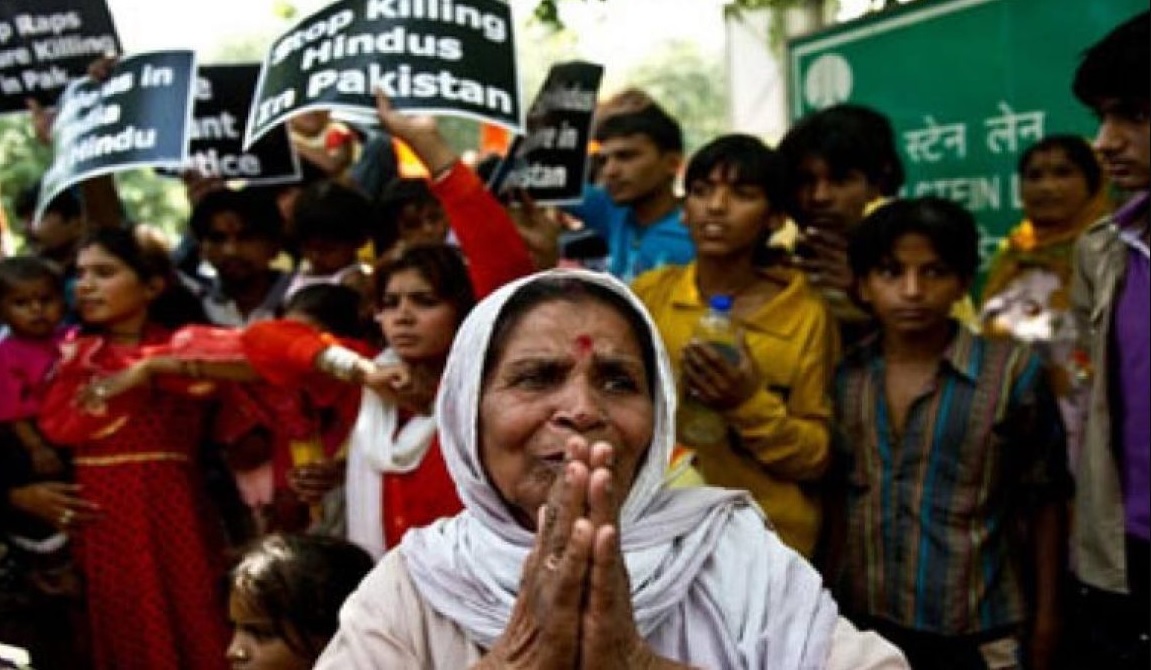
New Delhi, September 2025 — In a significant humanitarian and legal step, the Indian government has issued a new order allowing persecuted minorities from Afghanistan, Bangladesh, and Pakistan—namely Hindus, Sikhs, Buddhists, Jains, Parsis, and Christians—who entered India on or before December 31, 2024, to remain in the country even without valid passports or travel documents, and without the threat of deportation or penalties.
This move complements the Citizenship (Amendment) Act (CAA), which fast-tracks citizenship for individuals from these same communities who arrived on or before December 31, 2014. The latest decision addresses concerns of those who crossed into India after 2014 but remained uncertain about their legal status.
What the New Order Entails
-
Exemption from penalties: Those who entered India by the end of 2024—whether without valid documents or with expired ones—are now exempt from legal action under the newly enforced Immigration and Foreigners Act, 2025, which came into effect on September 1, 2025.
-
Distinction from CAA: The exemptions do not automatically provide citizenship. CAA’s eligibility criteria remain tied to the 2014 cutoff date.
-
Administrative clarity: The Ministry of Home Affairs (MHA) issued the Immigration and Foreigners (Exemption) Order, 2025, specifying that such migrants will not be penalized for document-related violations.
Voices from the Ground
In places like Nagpur, many families—particularly Pakistani Hindus facing difficulties with passport renewals or embassy delays—have expressed relief, calling the order a “life-saving step.” Community groups such as the Sindh Hindi Panchayat had long campaigned for this measure.
In contrast, areas such as Gadchiroli continue to see anxiety among undocumented Bangladeshi Hindus, with reports of sporadic police action despite the exemptions. Activists argue that more awareness and local-level coordination are needed to prevent harassment.
Political and Social Reactions
-
In Assam, the move has sparked protests, with local groups warning of possible demographic changes. Concerns over cultural integrity and resource pressures remain strong.
-
Officials, however, point out that fears may be overstated. Under the CAA, only 12 applications have been processed in Assam, and just 3 individuals have so far been granted citizenship.
Policy Context: CAA, Documentation, and Reform
The Citizenship (Amendment) Act, 2019 was introduced to fast-track Indian citizenship for non-Muslim refugees from neighboring countries, provided they entered before December 31, 2014. While critics have opposed the religious selectivity of the law, the government has defended it as a humanitarian measure to protect persecuted minorities.
The current extension to 2024 does not alter the citizenship criteria but ensures that more recent arrivals are shielded from prosecution under the Foreigners Act. This balances humanitarian concerns with India’s legal framework.
What Lies Ahead
-
Eligible individuals can live in India without fear of deportation, but they will need further policy changes if they wish to gain full citizenship.
-
The move may influence upcoming political debates, particularly in Assam and West Bengal, where migration remains a sensitive issue.
-
Human rights groups are urging the government to consider extending citizenship eligibility to arrivals beyond 2014, citing continuing persecution in neighboring countries.
By extending legal stay to persecuted minorities arriving by December 31, 2024, India has provided much-needed relief to vulnerable communities. At the same time, the decision highlights ongoing tensions between humanitarian responsibilities and political sensitivities.
✍️ This article is written by the team of The Defense News.