India Firm PTC Industries invests ₹1,000 crore in titanium, superalloy manufacturing to serve global giants like Safran and BAE
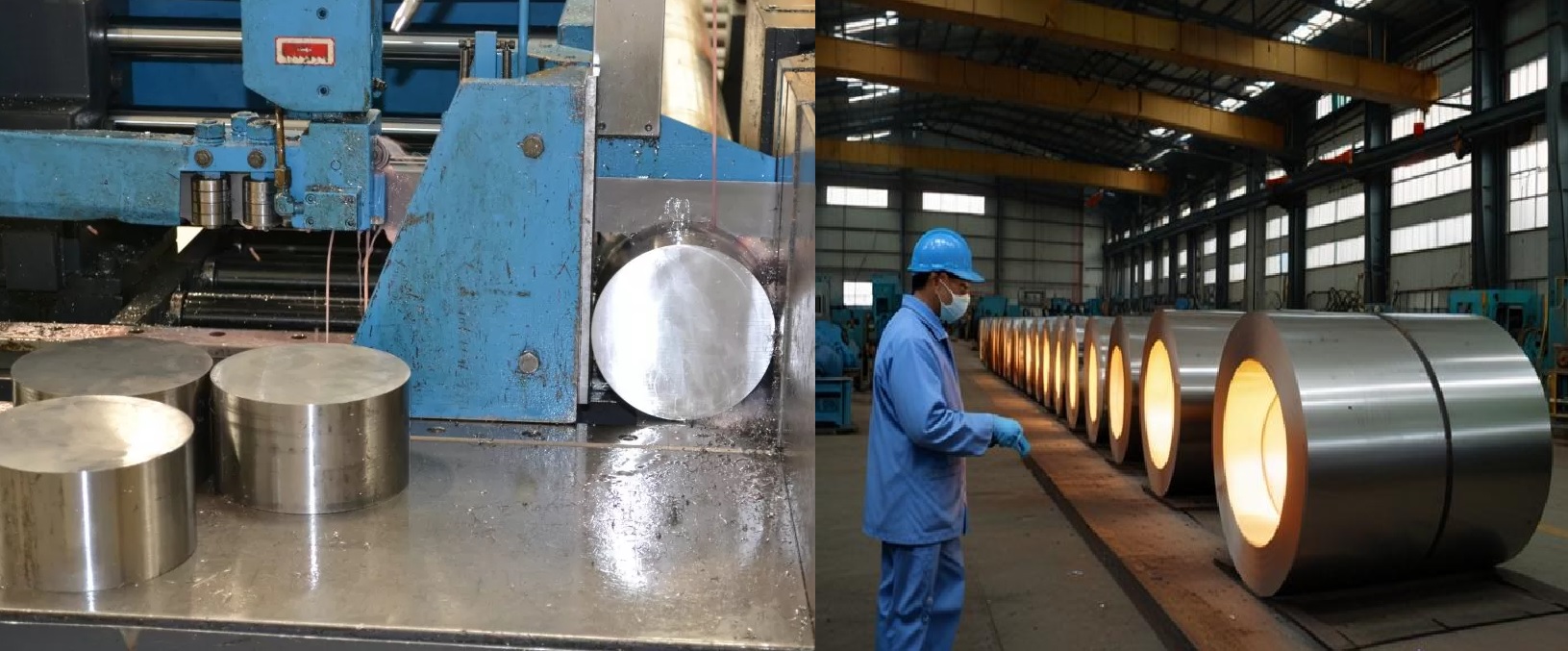
PTC Industries, via its subsidiary Aerolloy Technologies, is embarking on a ₹1,000 crore ($120 million‑plus) investment to set up four new manufacturing plants in Uttar Pradesh. These facilities, spread across a 50‑acre campus in the UP Defence Industrial Corridor, are aimed at producing aerospace‑grade titanium and superalloy components—not just for Indian defence needs but for global customers.
The firm has already started supplying titanium parts to BAE Systems for its M‑777 ultra‑lightweight howitzers currently in service with the Indian Army. Other strategic clients in the pipeline include Safran Aircraft Engines, Dassault Aviation, and Israel Aerospace Industries (IAI).
The Big Picture: Why India?
Traditionally, India’s titanium requirements were met primarily through imports, mostly from titanium sponge and alloy producers in Russia or China—a supply route that has come under stress following geopolitical tensions. PTC’s plan is to bridge this capability gap and reduce dependency on external sources.
While the public sector powerhouse MIDHANI (Mishra Dhatu Nigam) has long produced titanium alloys like TITAN‑26A and 29A for aerospace and defence, their output has been comparatively modest. According to PTC, no private Indian firm today rivals its breadth of capability—from casting to forging to machining.
From Castings to Engine Blades: How PTC Fills the Void
PTC’s rise reflects a tightly orchestrated strategy to control the entire value chain of advanced materials:
-
In February 2023, Aerolloy Technologies secured a contract with Safran Aircraft Engines to supply titanium cast parts for LEAP engines—one of the world’s most popular jet engines powering commercial aircraft globally. This was the first instance of Safran sourcing such critical parts from India.
-
In early 2024, Aerolloy signed a multi‑year agreement with Dassault Aviation to provide titanium casting parts for the Rafale fighter and Falcon business jets, anchoring India in the global supply chain for strategic defence platforms.
-
A milestone came in January 2025, when Aerolloy commissioned a Vacuum Arc Remelting (VAR) furnace, enabling production of aerospace‑grade titanium alloy ingots—about 1,500 metric tonnes per year, with single ingots up to 10 tonnes and 1 m diameter. Analysts flagged it as India’s first private VAR melt facility, closing a key materials gap.
This move positions PTC to not just make intermediate components but also supply base material like ingots and billets—something few Indian PSUs or manufacturers currently accomplish.
Narrative Flow: A Personal Tone
Imagine walking through the gleaming new Aerolloy facility in Lucknow. The hum of giant furnaces, precision forging units, and machining centers all buzzing on a single campus. This is the ambition that began with a gap study seven or eight years back, according to PTC leadership—and has grown into a vision to make India a titanium and superalloy hub.
Chairman Sachin Agarwal often recounts the strategic realisation: “India has vast titanium ore reserves, yet imports most of its aerospace‑grade material. That’s a mismatch of potential versus capability.”
With the plant inauguration by Defence Minister Rajnath Singh and UP Chief Minister Yogi Adityanath on 12 May 2025, PTC is no longer just making parts—they’re challenging the status quo.
What Was the Situation Before PTC?
Before PTC’s move:
-
Domestic production of critical aerospace material was limited to PSUs like MIDHANI, supplying small volumes of titanium alloys and super‑alloys.
-
Global aerospace firms had to rely largely on imports—often from China or Russia—for titanium casting and forging work. The West‑Russia conflict and supply chain turbulence post‑pandemic spurred firms like Safran and Dassault to look for alternative sources. India—with its resource base—became a natural candidate.
-
Contracts with global OEMs (Safran, Dassault, IAI, BAE) were historically served via suppliers outside India; now PTC is emerging as an in‑country alternative.
Why This Matters
-
Strategic advantage: India’s plan to build indigenous engine systems (for fighter jets and helicopters) hinges on having local production of titanium sponge, superalloy ingots, forgings and components. PTC is building that ecosystem.
-
Global supply chain relevance: As Western firms diversify away from China and Russia, PTC offers a non‑aligned, scalable, cost‑competitive alternative.
-
‘Make in India for the world’ ambition: With contracts from top aerospace companies and VAR furnace capability, India can now pitch as a credible titanium hub—rather than just a consumer.
Final Thought
This isn’t just about metal—it's about rewriting India’s role in global high‑tech manufacturing. What started as a capability gap is turning into a competitive edge. The next time a Rafale flies off the runway or a M‑777 howitzer gets deployed, know that the titanium parts may well have been forged in Lucknow. A private firm, bold vision, and ₹1,000 crore later, India is asking the world to watch—and source—.
✍️ This article is written by the team of The Defense News.