India Eyes Japanese XF9 Engine for AMCA Stealth Jets: A Strategic Leap in Indo-Pacific Defense

India is actively exploring a strategic partnership with Japan to co-develop advanced jet engine technology for its upcoming Advanced Medium Combat Aircraft (AMCA), a fifth-generation stealth fighter designed to bolster the Indian Air Force's capabilities.
The AMCA Program: A Vision for Indigenous Air Superiority
The AMCA represents India's ambition to develop a state-of-the-art stealth multirole combat aircraft. Spearheaded by the Aeronautical Development Agency (ADA) and the Defence Research and Development Organisation (DRDO), with Hindustan Aeronautics Limited (HAL) as a key partner, the AMCA is envisioned to perform a variety of missions, including air superiority, ground attack, and electronic warfare. The program aims to roll out prototypes by 2028, with mass production anticipated to commence by 2035.
The Engine Challenge: Seeking High-Thrust Solutions
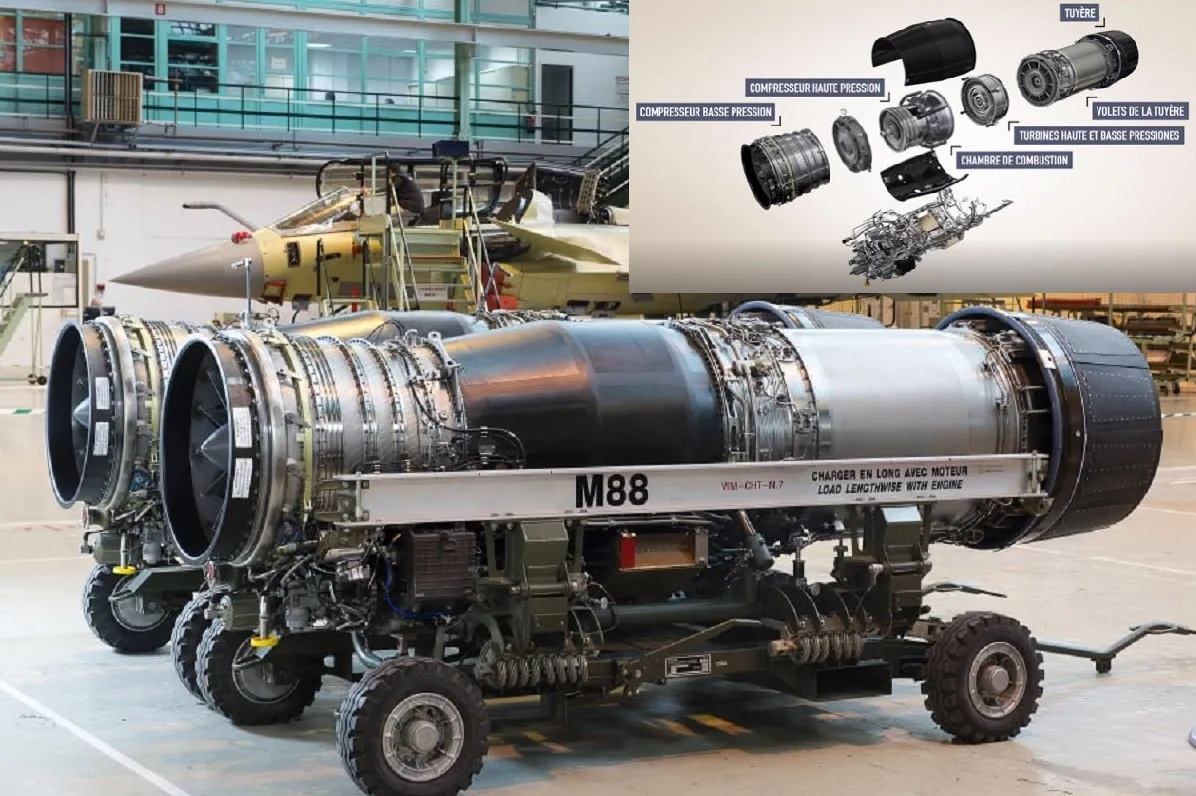
A critical component of the AMCA's success lies in its propulsion system. The initial prototypes are set to use General Electric F414 engines, providing 98 kN of thrust. However, for the production variants, India seeks a more powerful engine in the 110-130 kN thrust range to achieve desired performance metrics such as supercruise capability and enhanced maneuverability.
Japan's IHI XF9 Engine: A Promising Candidate
In this context, India's proposal to collaborate with Japan on aero engine development gains significance. The IHI XF9 engine, developed by Japan's Acquisition, Technology & Logistics Agency (ATLA) and IHI Corporation, emerges as a strong contender. The XF9 prototype delivers 11 tons (approximately 107 kN) of military thrust and 15 tons (around 147 kN) with afterburner. Notably, the engine's design allows for scalability, with future iterations targeting up to 20 tons (196 kN) of thrust, aligning well with the AMCA's requirements.
Strategic Implications: Strengthening Indo-Pacific Defense Ties
Beyond technical compatibility, this proposed collaboration underscores the deepening defense ties between India and Japan. Both nations share strategic interests in maintaining stability and security in the Indo-Pacific region. A joint venture on engine development would not only enhance India's indigenous capabilities but also signify a commitment to collaborative defense innovation.
Challenges Ahead: Navigating Export Controls and Technology Transfer
While the prospects are promising, several challenges need to be addressed. Japan's stringent export controls, rooted in its pacifist constitution, could pose hurdles in transferring sensitive defense technology. However, Japan has shown increased flexibility in recent years, participating in international defense projects like the Global Combat Air Programme (GCAP) alongside the United Kingdom and Italy. Successful collaboration will require careful negotiation to align with both countries' regulatory frameworks and strategic objectives.
Conclusion: A Step Towards Self-Reliance and Regional Stability
India's interest in the Japanese XF9 engine for the AMCA program represents a strategic move towards achieving self-reliance in defense technology and enhancing its air combat capabilities. By potentially partnering with Japan, India not only seeks to overcome existing technological challenges but also aims to reinforce its role as a key player in ensuring regional security in the Indo-Pacific.
✍️ This article is written by the team of The Defense News.