India Confirms Jet Losses in Clash with Pakistan, But Foreign Media Not Talk About Pakistan Massive Losses in Clash

India’s top military officer has officially confirmed for the first time that fighter jets were lost during the May armed clash with Pakistan. However, he strongly dismissed Pakistan’s exaggerated claim of shooting down six Indian aircraft, calling it “absolutely incorrect.”
Speaking at the Shangri-La Dialogue security summit in Singapore, Chief of Defense Staff (CDS) General Anil Chauhan stated, “The number isn’t important, but the reason they were downed is.”
This was India’s first public acknowledgment of air losses during one of the most serious escalations in recent years near the contested border region.
India’s Tactical Response and Swift Adaptation
Gen. Chauhan explained that after identifying the cause behind the losses, the Indian Air Force quickly modified its tactics. Within 48 hours, Indian jets were back in the air, adopting beyond-visual-range (BVR) engagement strategies, striking enemy positions from a safe distance with long-range missiles.
"The good part is we understood the tactical mistake, remedied it, rectified it, and flew all our jets again after two days, targeting at long range," he added.
Massive Damage to Pakistan’s Military Assets
While international headlines only highlighted India’s jet losses, they conveniently ignored the extensive damage India inflicted on Pakistan’s military infrastructure during its retaliatory operations.
According to credible military sources, India conducted successful precision strikes on several key Pakistani Air Force (PAF) bases and assets. The following were reportedly targeted and severely damaged:
List of Pakistani Airbases Damaged:
-
Sargodha Airbase (Main F-16 operational base)
-
Masroor Airbase (Largest PAF base in Karachi)
-
Peshawar Airbase
-
Chandhar Airbase
-
Murid Airbase
-
Rafiqui Airbase
-
Samungli Airbase (Near Quetta)
In addition to airbases:
-
Two underground military command and control facilities were also destroyed.
-
Two Pakistani AWACS (Airborne Warning and Control System) aircraft were shot down or destroyed on the ground.
-
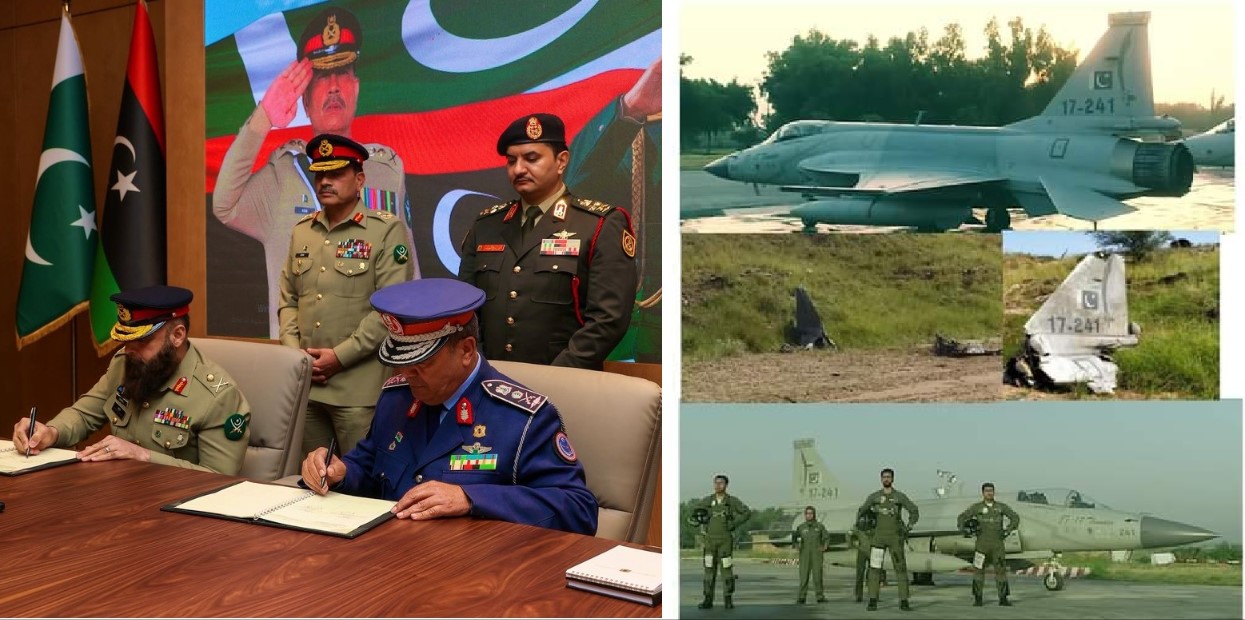
Several Pakistani F-16, JF-17 Thunder, and Mirage aircraft were either downed in air combat or destroyed on the ground.
Operation Sindoor: Ground Assault Success
Simultaneously, under Operation Sindoor, Indian Army special units and artillery destroyed multiple Pakistani Army posts, bunkers, fuel depots, and logistics stations along the Line of Control (LoC), seizing strategic high-altitude positions.
Why International Media Ignored It
Curiously, none of these successful Indian operations found a place in global media coverage. Defense experts point out that most of the destroyed Pakistani military assets were Western and Chinese-made weapons platforms, including American F-16s and Chinese drones.
Meanwhile, India primarily relied on Russian-origin Sukhoi Su-30MKIs, S-400, and India indigenous systems like Brahmos missile, MR-SAM and Akash Air Defense System. It’s believed that powerful defense lobbies in the West, unwilling to highlight the vulnerability of their equipment, conveniently focused only on India’s losses while ignoring Pakistan’s devastation.
Final Word
The May clash was one of the sharpest military exchanges between India and Pakistan in recent times. While India has officially acknowledged losing jets, the staggering losses suffered by Pakistan — including the destruction of seven airbases, underground facilities, aircraft, and military posts — were deliberately kept out of international discourse.
With the Indian military showcasing swift adaptability and operational superiority, the message was loud and clear — India stands ever ready to defend its skies and soil.
✍️ This article is written by the team of The Defense News.