Imran Khan’s Sister Says Imran Khan Is Alive but Being “Mentally Tortured” in Jail
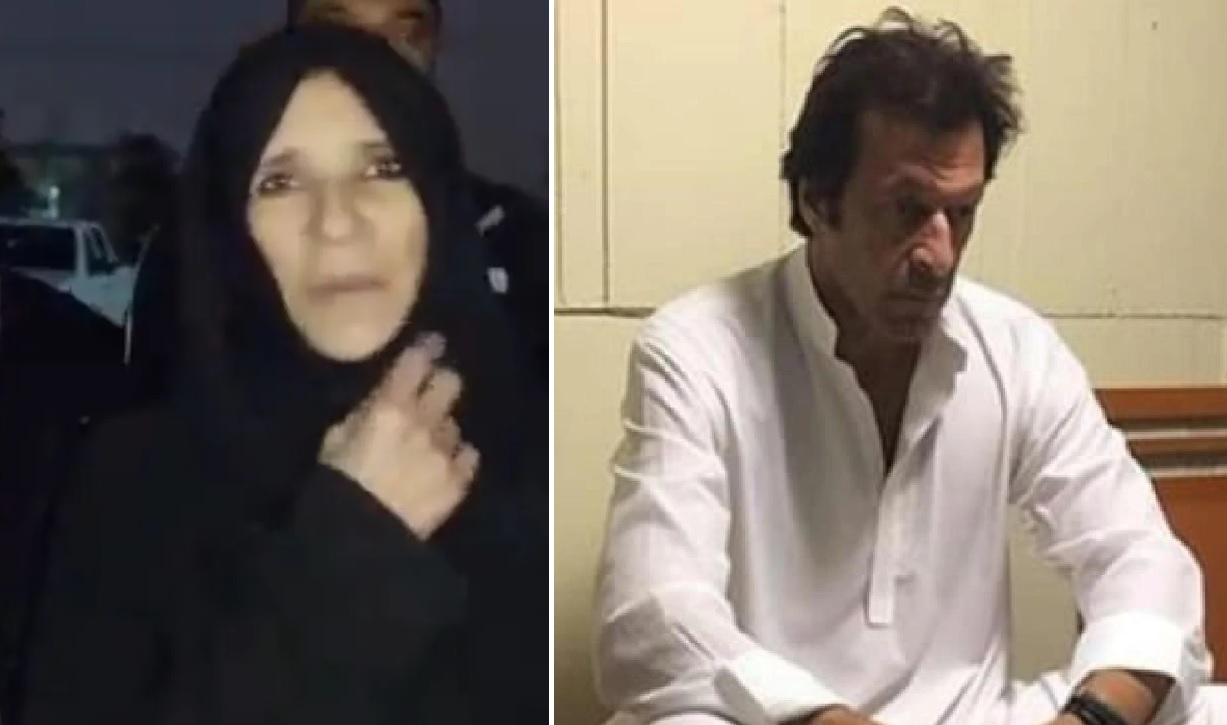
Islamabad — Former Pakistani Prime Minister Imran Khan remains alive, according to his sister Uzma Khanum, who visited him on Tuesday at Adiala Jail in Rawalpindi. After a rare 20-minute meeting, she told reporters that Mr. Khan appeared physically fine — “Alhamdulillah … he is all right” — but he was visibly angry and distressed due to what she described as “mental torture.” He is reportedly confined to his cell almost all day, is allowed outside only briefly, and is denied any communication with family or aides.
Uzma Khanum blamed the alleged mistreatment on Asim Munir, Pakistan’s Army Chief, asserting that the harsh conditions within the jail are being imposed under his orders.
What Sparked the Rumours and Why They Spread Globally
In recent days, widespread rumours circulated on social media and some foreign media outlets claiming that Imran Khan had died inside custody. These claims gained traction because his family had not seen or spoken to him for several weeks, fueling fears over his safety and sparking speculation.
The unverified reports began — according to media sources — after a post by a handle named “Afghanistan Times” claiming that Khan had been “murdered” in jail and his body moved out of Adiala.
The absence of verifiable evidence, combined with a strict ban on family visits and lawyer access, created an “information vacuum.” This vacuum became fertile ground for rumours, amplified by anxious supporters and international attention.
Some supporters even claimed the jail had placed Khan in a so-called “death cell,” raising fears that a possible assassination was being covered up.
As the rumours spread internationally, images and videos — some unverified — reportedly showing a man on a stretcher circulated online, further fuelling panic.
Official Response & Conflicting Claims
While rumours of death and disappearance circulated, officials at Adiala Jail rejected the claims as “baseless.” They affirmed that Imran Khan was still in the facility, in good health, and receiving medical care. They denied any transfer or secret removal from the jail.
Officials also claimed that the reports about his deteriorating health or death were unfounded, and stressed that since being jailed in August 2023, Khan has continued to receive regular checkups.
On the political side, his party, Pakistan Tehreek-e-Insaf (PTI), had repeatedly demanded court-ordered weekly meetings and access to his personal physician. They accused prison authorities of deliberately blocking these rights, intensifying fears that Khan’s detention conditions were designed to isolate and possibly harm him.
Reaction in Pakistan : Protests, Demands, and a Surge in Public Anxiety
The rumours and prolonged lack of clarity triggered immediate public backlash. Massive protests erupted in Islamabad and Rawalpindi, demanding proof of life and transparency about Khan’s condition.
Supporters and party members criticised the authorities for what they call “disappearance tactics.”
Ahead of the sister’s visit, the streets near Adiala Jail were sealed, and local authorities imposed restrictions to prevent large gatherings. Demonstrations continued nonetheless, with protestors demanding an independent investigation into his detention conditions and calling for his release.
Meanwhile, international human-rights observers and rights groups expressed deep concern over the lack of transparency and prolonged solitary confinement, urging authorities to allow immediate family and legal access to Khan.
Political Fallout and Questions About Rule of Law
Imran Khan — once a globally recognised cricket icon who led Pakistan to a World Cup victory and later served as Prime Minister — remains a central figure in Pakistan’s political landscape. His supporters view his imprisonment as politically motivated, designed to sideline dissent against the military and ruling establishment.
The conflicting narratives — “he is alive and in good health” vs. “he is isolated, tortured, and maybe worse” — have eroded public trust in official statements and amplified fear that the country’s democratic institutions may be under strain.
Given the widespread international attention and domestic unrest, how the state handles Khan’s custody, transparency demands, and the ongoing protests could shape Pakistan’s political trajectory.
The rare visit by Uzma Khanum has confirmed that former PM Imran Khan is alive, but serious allegations of mental torture, isolation, and denial of basic rights in custody have surfaced.
The whirlwind of death rumours, social-media panic, and protests shows how fragile trust has grown between citizens and institutions. With both the government and Khan’s camp issuing starkly different accounts, the crisis underscores deeper tensions in Pakistan — between power, accountability, and the fundamental right to humane treatment under the law.
About the Author
Aditya Kumar:
Defense & Geopolitics Analyst
Aditya Kumar tracks military developments in South Asia, specializing in Indian missile technology and naval strategy.