ISRO Confirms Successful Re-Entry of LVM3 M3/OneWeb India-2 Upper Stage, Ensures Compliance with Space Debris Guidelines
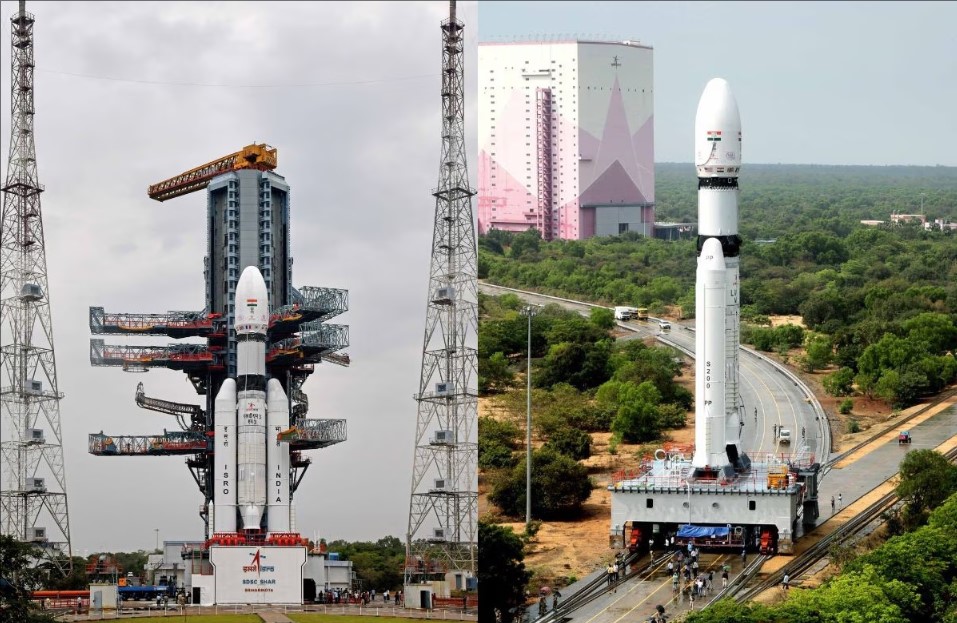
ISRO confirmed the successful re-entry of the LVM3 M3/OneWeb India-2 mission's upper stage, adhering to space debris mitigation guidelines and enhancing confidence in its launch capabilities.
ISRO announced that the cryogenic upper stage of the LVM3 M3/OneWeb India-2 mission re-entered the Earth's atmosphere. The nearly 3-ton rocket body, left in a 450 km orbit after deploying 36 OneWeb satellites on March 26, 2023, has successfully re-entered. This mission marked the sixth consecutive successful flight of the LVM3, placing satellites for the UK-based OneWeb into their designated orbit.
Following standard procedures, ISRO passivated the upper stage by depleting excess fuel to minimize the risk of accidental break-up. The re-entry window was estimated between 14:35 UTC to 15:05 UTC on June 14, with the most probable impact time at 14:55 UTC over the Indian Ocean. Only components made from high-melting-point materials, such as gas bottles, nozzles, and tanks, were expected to survive the re-entry heating.
ISRO tracked the re-entry using its Multi-object Tracking Radar (MOTR) at Sriharikota and continuously monitored the event through its ISRO System for Safe and Sustainable Space Operations Management (IS4OM) and ISTRAC facilities. The disposal of the LVM3-M3 rocket stage followed natural orbital decay within two years, adhering to international guidelines, including the UN space debris mitigation guidelines and India's Debris Free Space Missions (DFSM) initiative, which mandates space objects in low Earth orbit to remain in orbit for less than five years post-mission.
This mission, part of a contract to launch 72 OneWeb satellites, highlighted ISRO's capability in commercial satellite launches and the enhanced performance of its upgraded S200 motors, which will be crucial for future missions like Gaganyaan.
✍️ This article is written by the team of The Defense News.