IAF to Buy 400 Inflatable Decoys that Mimic Fighter jets and S-400 Batteries
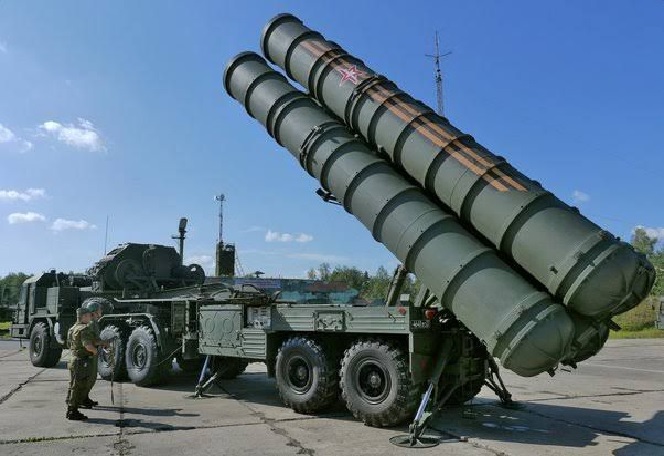
New Delhi : The Indian Air Force (IAF) has moved to procure 400 inflatable decoys that replicate the visual, radar and thermal signatures of frontline fighter aircraft and advanced air-defence systems, including S-400 Triumf batteries. The purchase — part of an effort to expand India’s camouflage, concealment and deception (CCD) capabilities — will allow the IAF to rapidly create convincing false targets across dispersal fields and airbases, complicating an adversary’s reconnaissance and targeting cycle.
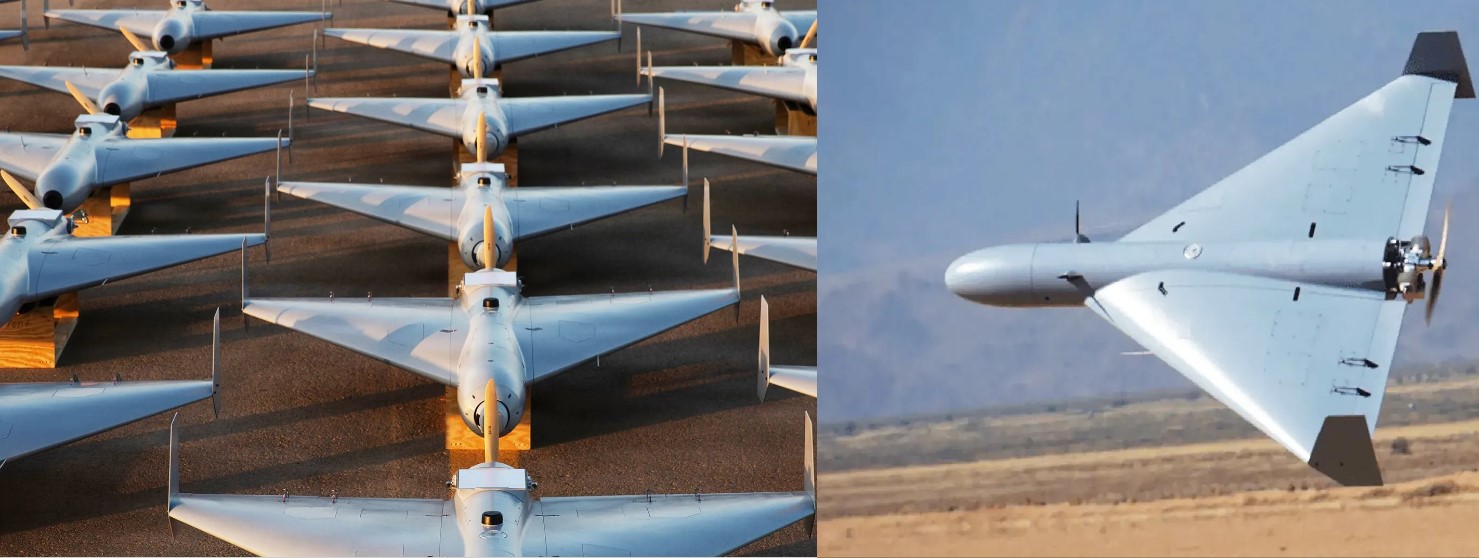
Made from specialised materials and designed for quick deployment, these decoys are intended to simulate the radar cross-section (RCS) and infrared (IR) heat signatures of real platforms. Once inflated and combined with emitters and heat sources, the dummies can fool satellites, drones and manned reconnaissance aircraft into reporting a larger and more widely dispersed set of high-value targets than actually exists. The IAF plans models that visually and electronically mimic Su-30MKI, Rafale and Tejas fighters as well as complex air-defence layouts.
Why the IAF is buying decoys — tactical and strategic benefits
-
Diluting enemy firepower. By increasing the number of apparent targets, decoys force an adversary to spread missiles and strike aircraft across many false positions, increasing the chance that real assets survive initial strikes. This can blunt the effectiveness of precision-guided munitions and make an opponent expend scarce high-value ordnance.
-
Buying time and conserving stockpiles. Successful deception compels extra reconnaissance passes, re-tasking of aircraft and additional missile launches — all of which slow an enemy campaign and reduce their available munitions for later strikes. In a prolonged conflict this attrition of enemy ordinance can have strategic consequences.
-
Enhancing survivability and dispersal doctrine. Coupled with hardened shelters, dispersal airstrips and electronic-warfare measures, realistic decoys are a force multiplier: they preserve sortie generation capability by protecting runways, aircraft on ground and command nodes from being promptly eliminated.
-
Psychological and operational deterrence. Inflating the perceived density and survivability of Indian airpower complicates an adversary’s campaign planning and may raise the threshold for initiating strikes, thus contributing to deterrence by increasing uncertainty and expected costs for the attacker.
How the decoys work in practice
Modern decoys are not mere inflatable mannequins. To be convincing they combine visual shapes, metallised surfaces to affect radar returns, engineered internal structures to approximate RCS characteristics, and artificial heating elements or flares to create IR signatures. When paired with small radio-frequency emitters that mimic radar or communication signatures, the ensemble presents a multi-sensor “target” that can survive cursory checks by overhead ISR (intelligence, surveillance and reconnaissance) assets. Their lightweight construction also allows rapid emplacement and removal in varied climates and terrains.
Lessons from recent conflicts
Military analysts point to widespread use of decoys in recent conflicts — most notably Ukraine — where inflatable and mock-up systems (from howitzers to HIMARS and S-300 replicas) have successfully drawn strikes away from real systems and forced adversaries to waste expensive munitions. That practical experience has fed a global re-evaluation of CCD techniques and spurred demand for commercially produced decoys that can be integrated into layered defensive postures.
Operational limits and countermeasures
Decoys are not a cure-all. Advanced sensors and multi-spectral analysis (combining radar, electro-optical, IR and signal-intelligence cues) can eventually detect fakery if the decoys are poorly managed or left in place too long. This is why modern doctrine treats them as part of an integrated deception package — rotated frequently, combined with emissions control, electronic jamming, and physical dispersal — rather than a standalone solution.
Strategic context
For the IAF, procurement of hundreds of decoys reflects a deliberate shift to make survivability, deception and cost-imposition central to national air-defence planning. By compelling an adversary to assume a larger target set, India increases the logistical and operational burden on potential attackers. In crisis or wartime, that burden may translate to fewer successful strikes, diminished enemy ordinance, and crucial additional time for India to mount counter-operations.
✍️ This article is written by the team of The Defense News.