IAF Plans to Expand S-400 Fleet with Two Additional Squadrons After Success in Operation Sindoor
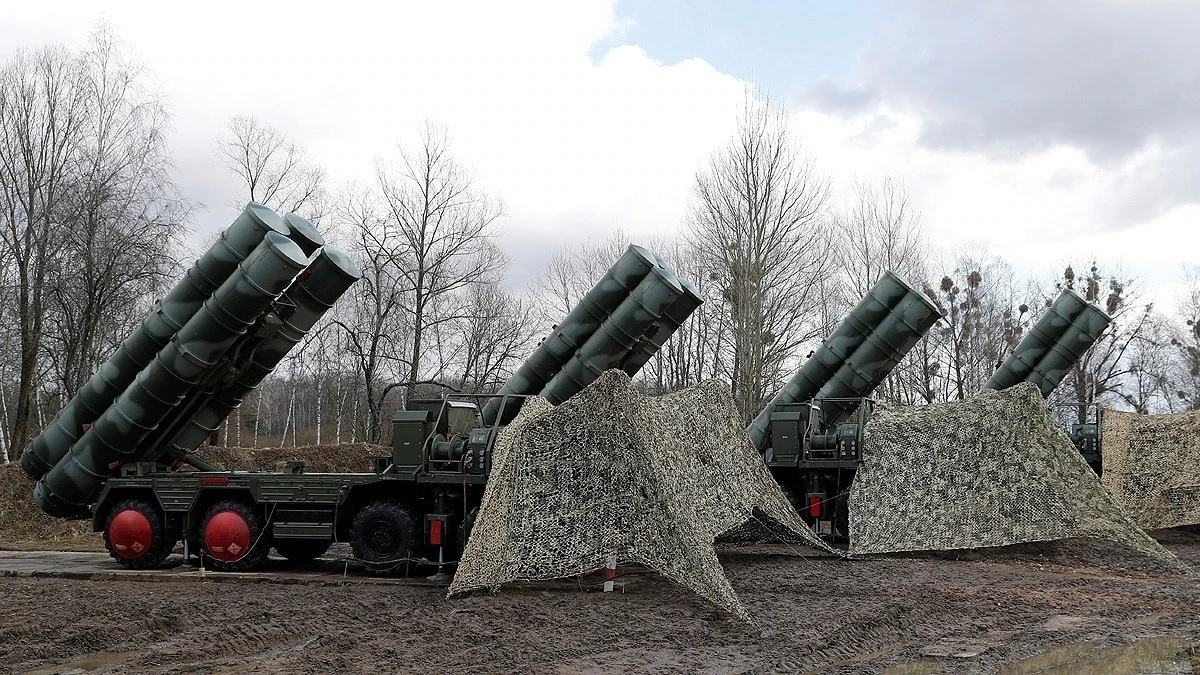
The Indian Air Force (IAF) is considering the purchase of at least two additional S-400 Triumf air defence squadrons from Russia, building on the five already on order. The move comes after the system’s spectacular performance in Operation Sindoor, where it played a decisive role in intercepting enemy missiles and shooting down six Pakistani military aircraft during clashes in May.
Air Chief Marshal A.P. Singh confirmed that the S-400 units deployed during the operation achieved unprecedented results, including the destruction of a high-value surveillance aircraft at a range of 300 kilometres – believed to be the longest surface-to-air kill on record. The system also contributed to taking down five Pakistani fighter jets, crippling enemy air power and neutralising key threats before they could approach Indian airspace.
India’s original S-400 deal, worth $5.4 billion and signed in 2018, covers five squadrons. Three are already operational, protecting sensitive sectors along the borders with Pakistan and China. The remaining two are expected by 2026–27, but IAF planners are now pushing for an expanded fleet to ensure layered coverage and redundancy across the country’s air defence network.
Officials say the decision is influenced not only by recent combat success but also by the need to counter growing threats from both western and northern fronts. Pakistan’s evolving air combat capabilities and China’s expanding missile arsenal are driving India to maintain a technological edge.
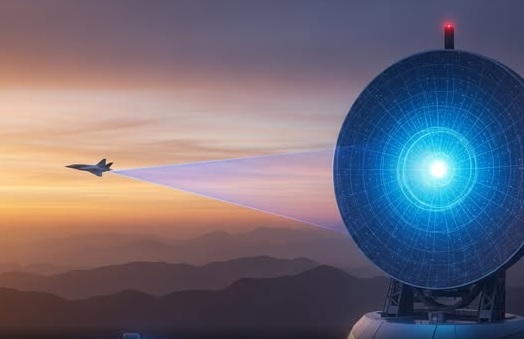
The S-400 system, capable of tracking and engaging multiple targets including aircraft, drones, and ballistic missiles, has a range of up to 400 kilometres and can be integrated into India’s Integrated Air Command and Control System (IACCS). In Operation Sindoor, it operated in close coordination with other assets, allowing rapid threat detection and precision engagement.
The IAF’s future air defence strategy is also expected to blend the S-400 with Project Kusha, an indigenous long-range surface-to-air missile programme under development. While Kusha is projected to enter service by the late 2020s, the S-400’s proven capabilities make it a critical shield for the present decade.
Defence analysts note that expanding the S-400 fleet would enhance deterrence against both state and non-state aerial threats, while sending a clear message to adversaries about India’s readiness to act decisively. The push for more squadrons also comes amid closer India–Russia defence ties, despite global geopolitical tensions.
If approved, the additional S-400 units could be fast-tracked for delivery, ensuring the IAF maintains its advantage in long-range air defence well into the 2030s.
✍️ This article is written by the team of The Defense News.