Hydrogen Fuel to Power India’s Space Ambitions and Green Future : ISRO Chief
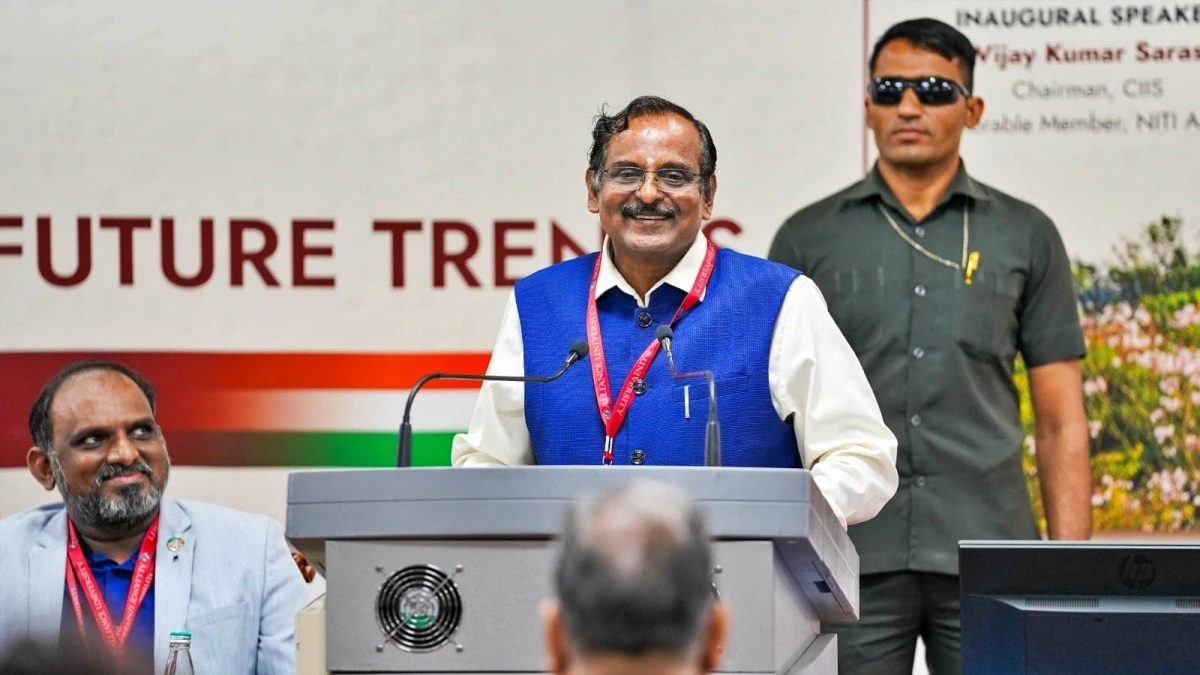
India : At the National Workshop on Hydrogen Fuel Technologies in Bengaluru, ISRO Chairman Dr. V. Narayanan emphasized that hydrogen will play a transformative role in shaping India’s space missions, clean energy transition, and industrial ecosystem. His speech served both as a progress report and a roadmap for how hydrogen could become the backbone of India’s technological independence.
Key Highlights of ISRO’s Work
-
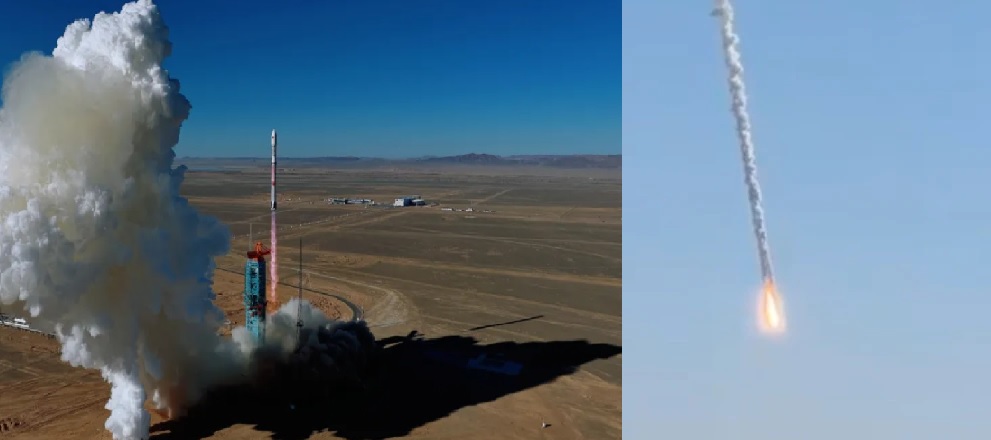
Cryogenic Propulsion Mastery: India now possesses full control over liquid hydrogen–oxygen cryogenic engines, a capability once denied. The LVM-III rocket, marking India’s 100th successful launch in January 2025, used this advanced technology.
-
Fuel Cells in Space: A 100-watt oxygen-hydrogen fuel cell was tested in orbit, and ISRO is developing a 20-kilowatt system for sustained power in long missions. This paves the way for the Bhartiya Antariksh Station and future deep space exploration.
-
Human Moon Mission: ISRO is working on a hydrogen-fueled upper stage rocket with 60–70 tons capacity for India’s first crewed lunar mission by 2040.
-
Industrial Applications: Beyond rockets, ISRO and Tata Motors pioneered a hydrogen fuel cell bus, and in June 2025, five such buses entered commercial service. Public enterprises like BHEL and NTPC are now scaling hydrogen turbines and transport systems.
Why Hydrogen Matters
Hydrogen represents more than just a new fuel source. For India, it symbolizes strategic autonomy and climate responsibility. With rising global concern over fossil fuels and carbon emissions, hydrogen offers a clean, abundant, and adaptable energy solution.
In space, hydrogen enables long-duration human missions, something vital if India aims to establish a permanent human presence on the Moon or build an Indian space station. Unlike conventional fuels, hydrogen can also be regenerated from renewable energy sources, closing the loop between Earth-based sustainability and space exploration.
At the industrial level, hydrogen could be the missing link that bridges India’s growth with its environmental commitments. Heavy industries, transport, and power plants—often accused of being polluting—could transition to hydrogen and drastically reduce their carbon footprint.
However, challenges remain. Storage and safety are critical, as hydrogen is highly flammable and difficult to contain. This is why ISRO’s focus on millisecond-response hydrogen leak sensors is not just technical but existential. Any large-scale adoption of hydrogen depends on ensuring public confidence in its safety.
Future Outlook
Looking ahead, India’s hydrogen journey will not be limited to rockets and buses. The National Green Hydrogen Mission seeks to position India as a global hub for hydrogen production, consumption, and exports. This could reshape India’s role in the international energy economy, reducing dependence on imported oil and gas while opening new export markets.
For young scientists and engineers, Dr. Narayanan’s call was clear: hydrogen is the frontier where energy, environment, and exploration converge. By mastering it, India can not only achieve energy independence but also secure its place as a leader in the 21st-century hydrogen revolution.
✍️ This article is written by the team of The Defense News.