Hungary PM Secures Russian Energy Deal and Speeds Up Paks II After Four-Hour Kremlin Talks With Putin, and Deepen EU Rift
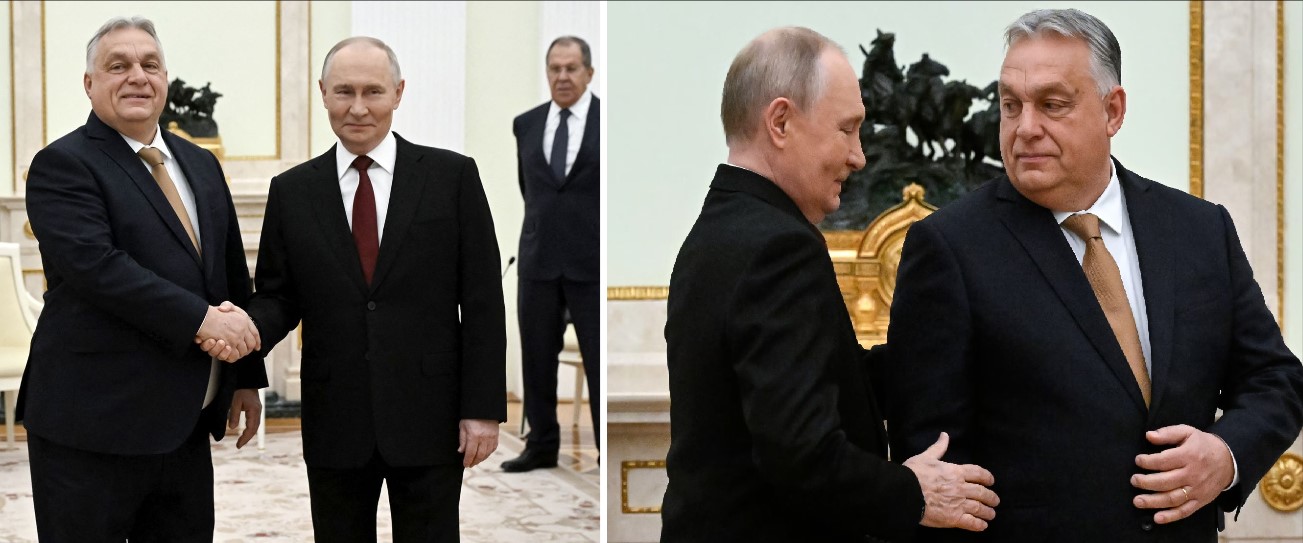
Hungarian Prime Minister Viktor Orbán has completed nearly four hours of talks with Russian President Vladimir Putin in Moscow, emerging with reassurances on long-term Russian energy supplies, a concrete date to accelerate construction of Hungary’s Paks II nuclear power plant, and a renewed public push for a negotiated peace in Ukraine. The visit, on 28 November 2025, makes Orbán the only sitting EU and NATO leader to hold such high-profile talks with Putin since the early months of the full-scale invasion.
While pro-government voices in Budapest cast the trip as a masterclass in “sovereign diplomacy”, critics across Europe see a direct challenge to EU unity on Russia, sanctions, and support for Kyiv.
Russian Oil and Gas: Druzhba and TurkStream Stay Open
According to Hungarian Foreign Minister Péter Szijjártó, who accompanied Orbán, the central goal of the Moscow trip was to lock in continued Russian oil and gas flows to Hungary despite EU efforts to phase them out. He said Putin personally assured the Hungarian side that existing contracts for both gas and oil would be fully honored, with agreed volumes delivered on time.
In practice, this means:
-
Crude oil will keep arriving via the Druzhba (“Friendship”) pipeline, which feeds Hungary’s refineries through a southern branch also serving Slovakia and the Czech Republic.
-
Natural gas will continue to transit via the TurkStream route and interconnected pipelines through the Balkans, a corridor Hungary has steadily expanded since 2021.
Orbán arrived in Moscow with a uniquely favorable position: earlier in November, he had publicly claimed to have secured a U.S. exemption from sanctions on Russian energy, after talks with President Donald Trump in Washington. That waiver allows Budapest to keep buying Russian fuels while other EU states scramble to diversify away.
Hungarian officials argue that without Russian energy, the country’s household utility price caps and industrial base would be impossible to sustain. EU partners, however, warn that continuing long-term energy deals with Moscow undermines the bloc’s collective leverage over Russia and complicates plans to end Russian fossil imports by 2027.
Paks II Nuclear Plant: First Concrete on 5 February 2026
The most concrete deliverable from the talks was a pledge to accelerate the Paks II nuclear power project, Hungary’s flagship strategic investment with Russia’s state nuclear corporation Rosatom.
Szijjártó told Hungarian media that Orbán and Putin agreed to “significantly expedite” the project, with “first concrete” for Paks II scheduled for 5 February 2026 – the official start of full-scale construction under international nuclear standards.
This fits with regulatory steps taken earlier in November, when the Hungarian Atomic Energy Authority issued key permits for the foundations and nuclear-island buildings of Unit 5 at Paks II, clearing the way for major civil works to begin in early 2026.
Under the existing deal:
-
Russia will supply two VVER-1200 Generation III+ reactors (Units 5 and 6) at Paks, doubling Hungary’s nuclear capacity and extending the plant’s role as the backbone of the country’s electricity system.
-
The project is largely state-financed, with a substantial Russian loan and technology package, making Hungary the first EU state to host a modern Russian-designed nuclear plant in the post-Crimea era.
Orbán’s government frames Paks II as vital to long-term energy sovereignty: with nuclear and domestic renewables covering most of its electricity needs, Hungary argues it can keep power prices low while still meeting EU climate targets—without surrendering control of its energy mix to Brussels. Critics counter that doubling down on a Russian nuclear build locks Budapest into decades of strategic dependence on Moscow for fuel, servicing, and waste management.
Ukraine War: “Peace Mission” or Parallel Diplomacy?
Beyond energy and nuclear deals, Orbán has cast his Moscow trip as part of a self-styled “peace mission” on Ukraine. In the Kremlin, the two leaders discussed the state of the war, Western arms supplies, and emerging U.S.–Russia back-channel talks driven by Trump-aligned envoys.
Orbán has repeatedly called for:
-
An immediate ceasefire
-
Rapid opening of peace negotiations
-
Greater U.S.–Russia involvement in a settlement
In recent weeks he has even floated Hungary as a potential venue for a Trump–Putin summit, echoing ideas now circulating in Moscow and conservative circles in Washington.
However, neither the Kremlin read-out nor independent reporting suggests that Orbán secured any firm Russian concessions on territory, timelines, or security guarantees. Instead, Putin used the meeting to reiterate Moscow’s familiar narrative: blaming Kyiv and the West for blocking peace, insisting Ukraine must accept “new realities” on the ground, and welcoming any initiative that weakens Western unity.
For Kyiv and many EU capitals, Orbán’s “peace” positioning risks normalizing Russian demands that Ukraine cede occupied territories in exchange for a halt in fighting—something President Volodymyr Zelenskyy has consistently rejected.
A Rare EU Visit to Moscow – and a Political Signal
Orbán’s Kremlin trip is his second high-profile meeting with Putin in as many years, following a July 2024 visit that already drew sharp criticism from EU partners. With most Western leaders still boycotting Moscow over the invasion, Orbán’s presence at the Kremlin is widely viewed in Brussels as a political gesture as much as a practical negotiation.
Think-tank experts quoted by European media likened the visit to “a middle finger to Brussels”, arguing that Budapest is:
-
Cementing long-term energy ties with Russia just as the EU tries to phase them out
-
Undermining the bloc’s unified sanctions and energy-diversification agenda
-
Offering Moscow a friendly EU voice that can dilute common positions on Ukraine
For Orbán’s domestic base, however, the optics are very different. Hungarian pro-government outlets have highlighted the **length of the talks—nearly four hours—**as proof that Budapest is treated as a serious strategic partner by both Trump and Putin, unlike other EU states they portray as “following Brussels’ orders.”
What Budapest “Got” — and What It Risks
Taken together, Orbán’s Moscow visit appears to have delivered three key outcomes for Hungary:
-
Energy Security Guarantees
Long-term oil and gas supplies via Druzhba and TurkStream, backed by U.S. sanctions waivers and Russian commitments, help Budapest keep domestic energy prices stable heading into the later 2020s. -
A Firm Timeline for Paks II
The move to lock in 5 February 2026 as the start of full-scale Paks II construction gives Orbán a major infrastructure milestone to point to, reinforcing his narrative of delivering cheap, reliable, low-carbon power while others face energy shocks. -
A Central Role in Future Peace Talks — At Least Symbolically
By positioning Hungary as an early supporter of U.S.–Russia back-channel diplomacy and offering itself as a possible venue, Orbán seeks to elevate Budapest’s status beyond that of a small, landlocked EU state.
But those gains come with substantial political and strategic risks:
-
Within the EU, Hungary faces growing isolation, with some officials openly questioning whether Orbán can still be trusted in sensitive debates on Russia, Ukraine aid, and defense.
-
In NATO, Budapest’s uniquely pro-Russia line complicates alliance messaging and planning, especially if any future peace deal involves territorial concessions the rest of the alliance refuses to accept.
-
Vis-à-vis Moscow, deepening dependence on Russian fuel and nuclear technology could limit Hungary’s room for maneuver in the long term, particularly if future EU measures tighten around Russian energy or nuclear exports.
For now, though, Orbán appears satisfied. In his own post-summit comments, he framed the trip as a success: energy secured, Paks II accelerated, and Hungary firmly at the table in any future talks on ending the Ukraine war—even if that puts him at odds with much of the rest of Europe.
About the Author
Aditya Kumar:
Defense & Geopolitics Analyst
Aditya Kumar tracks military developments in South Asia, specializing in Indian missile technology and naval strategy.