How US Praise and Aid Are Pushing Pakistan Toward a Gaza Decision
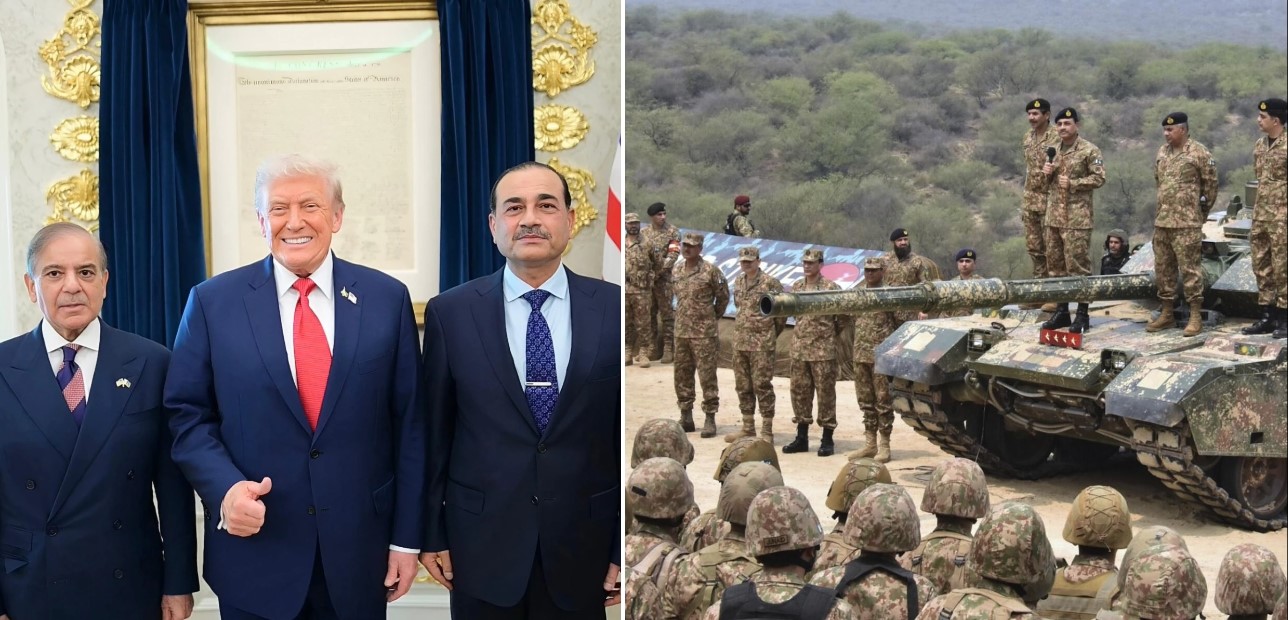
A sharp change has taken place in relations between the United States and Pakistan. Former U.S. president Donald Trump has openly praised Pakistan’s army chief Asim Munir, calling him his “favourite Field Marshal.” The praise was not limited to words. High-profile White House photo opportunities and public admiration followed, giving Munir rare visibility in U.S. political circles.
For diplomats and analysts, the message was clear. Such praise from Washington is rarely personal. It is strategic. In global power politics, appreciation is often the first step before expectations are revealed.
Financial and Military Rewards Follow
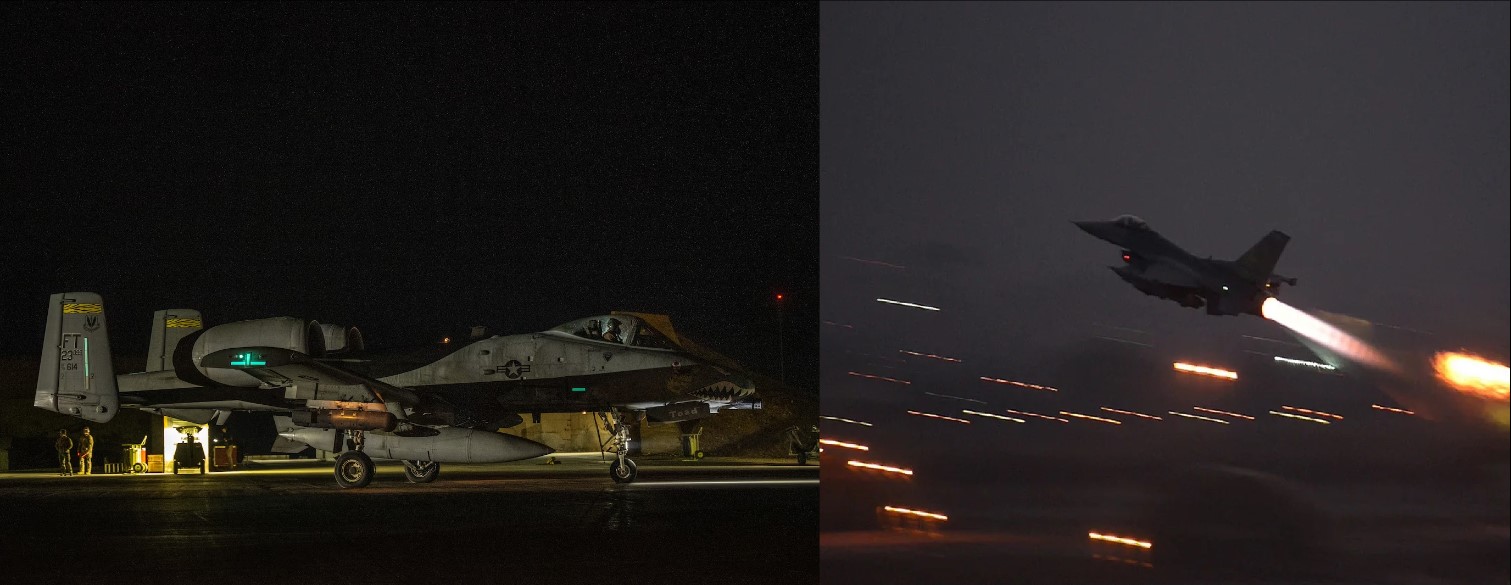
Soon after this public warmth, real benefits began to flow toward Islamabad. The United States approved more than $600 million for upgrades and maintenance of Pakistan’s F-16 fighter jets. This decision reopened military cooperation that had remained restricted for years due to trust deficits.
At the same time, Pakistan saw progress on the financial front. Long-delayed loan tranches from the International Monetary Fund were unlocked, providing critical relief to an economy facing inflation, debt pressure, and foreign exchange shortages.
Another major development was the announcement of a $1.3 billion U.S.-backed mining project in Balochistan. The province holds vast mineral wealth but has remained unstable due to insurgency and neglect. The project signaled renewed American economic interest in Pakistan’s internal development.
Taken together, military aid, IMF relief, and large-scale investment marked a clear shift. Pakistan was once again valuable to Washington.
This Support Is Not Free
However, history suggests that such generosity is never without cost. Donald Trump is widely known as a dealmaker, not a philanthropist. His approach to foreign policy is based on transactions. Every concession creates an obligation. Every compliment comes with an expectation.
That expectation is now becoming visible.
Gaza Becomes the Pressure Point
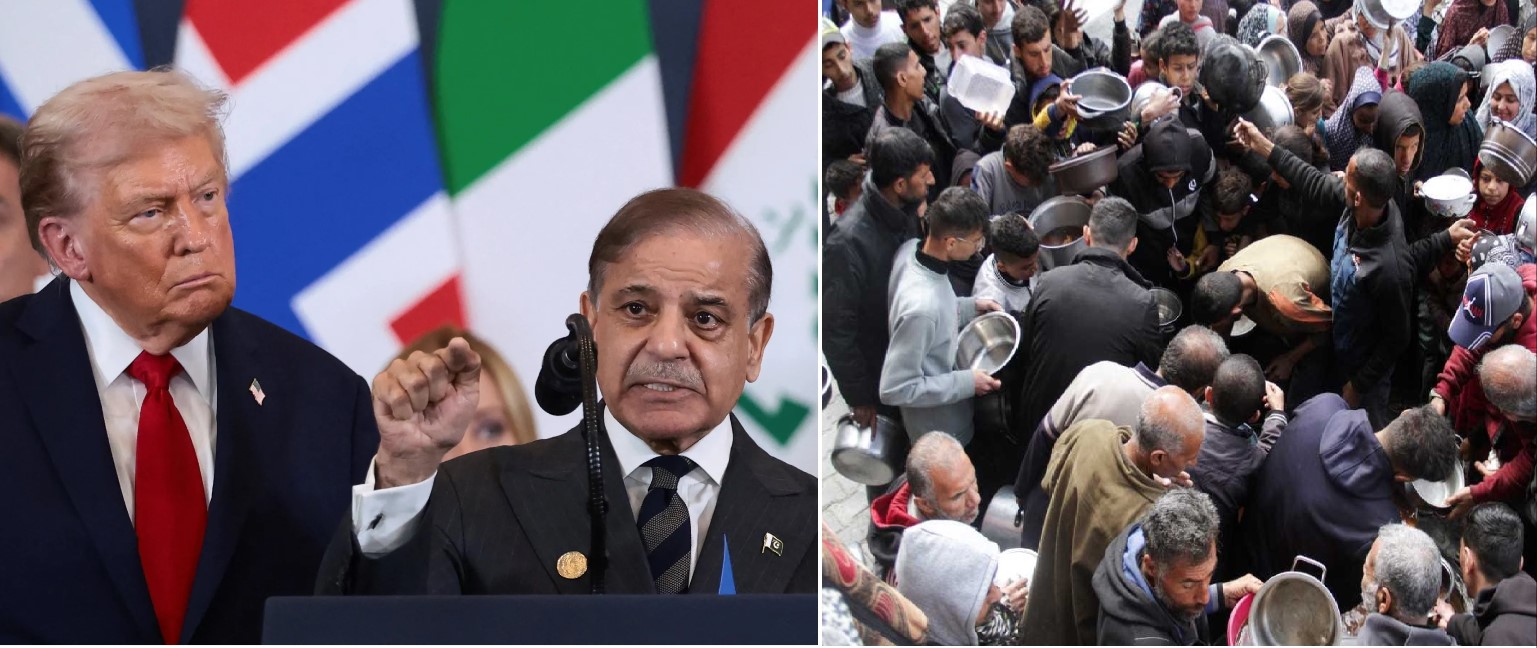
According to diplomatic assessments, Washington is pressing Islamabad to play a direct role in Gaza after the conflict. Under Trump’s reported 20-point Gaza plan, Muslim-majority countries would send troops to the region to help manage security on the ground. These forces would operate under U.S. command, not under a United Nations mission.
The aim is to stabilise Gaza without deploying large numbers of American soldiers. Turkey, which was initially considered for this role, has stepped back. As a result, attention has shifted toward Pakistan, one of the largest Muslim-majority armies in the world with extensive operational experience.
For the United States, Pakistan offers manpower, discipline, and symbolic legitimacy. For Pakistan, the proposal carries serious dangers.
A Dangerous Situation for Pakistan’s Army Chief
If Pakistani soldiers are deployed to Gaza, they would likely face attacks from armed groups such as Hamas. Casualties would be almost certain. Any loss of Pakistani lives would immediately trigger anger at home.
Pakistan’s public strongly supports the Palestinian cause. Many would see Pakistani troops in Gaza as fighting America’s war against fellow Muslims. The political narrative would turn hostile very quickly. Protests, criticism from religious parties, and opposition attacks on the military leadership would follow.
The image of the army could suffer deep damage if coffins return from Gaza. The question of why Pakistani soldiers were sent there would dominate national debate.
Refusal Has a Price Too
Saying no to Washington also carries heavy consequences. Refusal could lead to a sudden halt in U.S. military cooperation. Future funding and weapons support could dry up. Financial pressure through international institutions could return. Diplomatic backing, at a time of economic weakness, could disappear.
Pakistan’s leadership is therefore caught in a narrow space. Accepting the demand risks domestic instability. Rejecting it risks international isolation.
Praise Before Pressure
The order of events explains Washington’s strategy. First came praise for Asim Munir. Then came money, weapons, loans, and investment. Only after these benefits were delivered did expectations begin to surface.
This is a classic method in geopolitics. Leaders are strengthened publicly before being asked to make difficult sacrifices. Compliments act as investments. Returns are always expected later.
Pakistan has seen this pattern before, from Cold War alliances to the post-9/11 war on terror. Each time, early rewards were followed by long-term costs.
The Moment of Reckoning
Pakistan enjoyed renewed attention and assistance from the United States. But geopolitics does not offer gifts. It offers deals with delayed payments.
As pressure grows, Asim Munir faces a defining choice. If Pakistani troops are sent to Gaza, domestic backlash could shake the army’s standing at home. If Pakistan refuses, economic and strategic pressure from Washington could return.
The central question remains unresolved and unavoidable:
when the bill finally comes due, will Pakistan’s leadership answer Washington — or its own people?
✍️ This article is written by the team of The Defense News.