How Many Pakistan’s Losses in the October 2025 Pakistan–Afghanistan Conflict?

The October 2025 clashes between Pakistan and Afghanistan along their volatile border have evolved into the most violent confrontation between the two since the fall of Kabul in 2021. What began as a series of targeted airstrikes and retaliatory shelling soon escalated into a mini-war, with both sides suffering casualties and material losses. The fog of war, however, has obscured the full picture, as both Islamabad and Kabul have issued sharply conflicting reports about deaths, destroyed positions, and captured military assets.
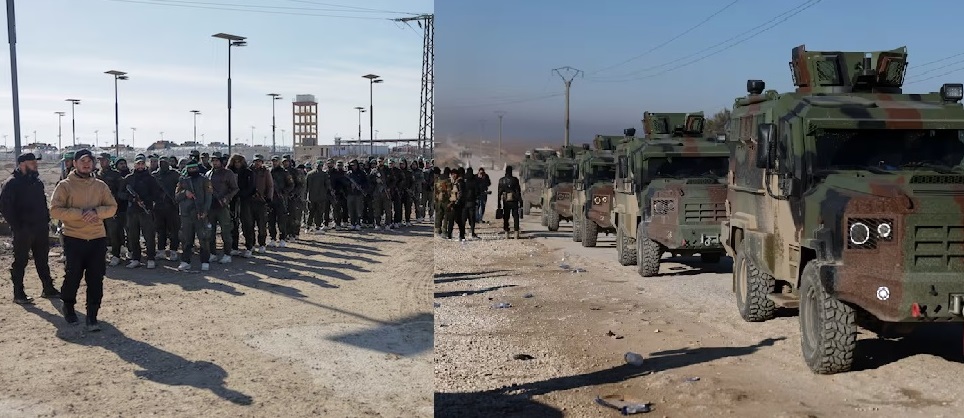
According to Afghan government officials under the Taliban administration, the border fighting on October 12, 2025, resulted in the deaths of around 58 Pakistani soldiers, alongside the destruction or capture of seven Pakistani border posts and multiple vehicles. The Taliban’s spokesperson, Zabihullah Mujahid, claimed Afghan forces carried out “retaliatory operations” after Pakistan conducted airstrikes inside Afghan territory targeting alleged Tehrik-e-Taliban Pakistan (TTP) hideouts. Kabul also released statements asserting that Afghan units destroyed two armored personnel carriers, three military trucks, and damaged several artillery pieces used by Pakistan during cross-border shelling. None of these claims have been independently verified, but Afghan sources portrayed the operation as a significant defensive victory.
Pakistan’s narrative tells a different story. The Inter-Services Public Relations (ISPR), the media arm of Pakistan’s military, confirmed that 23 Pakistani soldiers were killed in the week-long clashes, including seven in a suicide bombing in North Waziristan on October 17. However, Islamabad downplayed reports of equipment losses, saying only that two forward observation posts were temporarily overrun and later retaken. Pakistani officials rejected Afghan claims of destroyed tanks or armored vehicles, labeling them as “exaggerations meant for propaganda.” Instead, Pakistan claimed to have eliminated over 200 militants, many allegedly linked to the TTP and operating with Afghan assistance.
Satellite imagery and third-party defense analyses offer a more balanced view. A European defense monitoring group, Conflict Armament Survey (CAS), using open-source satellite images, identified at least four damaged Pakistani border structures near Spin Boldak and Kurram, along with burned-out vehicles consistent with light armor or supply trucks. No conclusive evidence of tank destruction was found, but analysts confirmed “visible signs of bombardment” and “localized structural damage” along the frontier.
Independent sources, including Reuters and Al Jazeera, documented Pakistan’s immediate tactical losses as moderate but noted a higher degree of material depletion than Islamabad admitted publicly. Journalists stationed near Chaman observed wreckage from two Humvee-type vehicles and reported that one mortar battery had been abandoned after coming under heavy retaliatory fire. Afghan media outlets, by contrast, circulated footage of what they claimed were captured Pakistani helmets, weapons, and ammunition from abandoned posts — though these have not been independently authenticated.
The human toll extended beyond combatants. The United Nations Assistance Mission in Afghanistan (UNAMA) stated on October 16 that at least 18 civilians were killed and over 360 injured, mostly from artillery and rocket fire. The UN report focused on the humanitarian cost rather than military figures, emphasizing the displacement of hundreds of Afghan families from Kandahar and Helmand provinces.
From a strategic standpoint, analysts believe Pakistan’s losses in manpower and material were limited but symbolic. Two border posts destroyed or heavily damaged, several light vehicles lost, and a few artillery pieces disabled suggest a localized tactical setback rather than a full-scale defeat. Yet, the psychological impact of Afghan forces briefly capturing Pakistani outposts has fueled public debate inside Pakistan. The country’s opposition parties have criticized the military for “strategic complacency,” while state media have sought to project strength through images of retaliatory air operations.
By October 15, a temporary 48-hour ceasefire was reached after mediation attempts by Qatar and China, both urging restraint and dialogue. Though direct fighting subsided, tensions remain high. Islamabad continues to demand that Kabul prevent the TTP from using Afghan soil to stage attacks, while Kabul insists that Pakistan respect Afghan sovereignty and halt cross-border air incursions.
As of late October, the verified Pakistani military losses stand at approximately 23 soldiers killed, two posts damaged or temporarily lost, four to six vehicles destroyed, and minor equipment losses, including artillery and logistics assets. The Afghan claim of 58 Pakistani deaths and seven posts captured remains unverified by any neutral organization.
In truth, the real numbers may never be known with certainty. The border regions of Khyber Pakhtunkhwa and Balochistan are among the most difficult areas in the world to independently monitor, and both governments tightly control information. For now, the October 2025 clashes highlight the perilous balance between military posturing and miscalculation — and how quickly a localized border incident can escalate into a dangerous regional crisis.
What remains undeniable is that Pakistan, while not suffering catastrophic battlefield losses, endured measurable human, territorial, and material costs — a reminder that even limited wars along the frontier can exact a heavy toll in blood, equipment, and diplomacy.
About the Author
Aditya Kumar:
Defense & Geopolitics Analyst
Aditya Kumar tracks military developments in South Asia, specializing in Indian missile technology and naval strategy.