Hanwha Systems Begins Mass Production of AESA Radar for South Korea’s KF-21 Fighter Jet

In a major boost to South Korea’s defense technology, Hanwha Systems has officially started mass production of its homegrown AESA radar for the KF-21 Boramae fighter jet. This marks a significant step in the country’s effort to build a fully indigenous 4.5-generation combat aircraft with advanced radar and sensor systems.
The announcement came on August 5, during a formal rollout ceremony held at Hanwha Systems’ Yongin R&D Center, with key officials from the Defense Acquisition Program Administration (DAPA), Republic of Korea Air Force, and Agency for Defense Development (ADD) in attendance. Over 50 defense representatives were present, underscoring the importance of the event for South Korea’s military aviation program.
What’s New About This Radar?
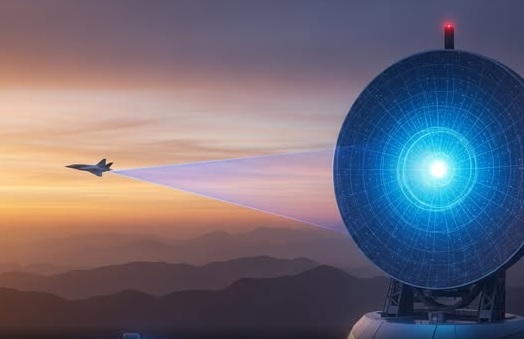
The radar in question is an Active Electronically Scanned Array (AESA) radar—regarded globally as the cutting-edge standard for modern fighter jets. AESA radars differ from older mechanically scanned systems in several key ways. Rather than physically moving the antenna to steer its beam, AESA uses thousands of small transmit/receive modules to electronically direct radar beams. This allows faster detection, simultaneous tracking of multiple targets, and greater resistance to jamming.
Hanwha’s radar system contains around 1,000 T/R modules, and testing is carried out at a newly built Near-Field Chamber in Yongin, completed in late 2024. This high-tech facility allows simultaneous testing of up to four radar systems, enabling more efficient development and quality control.
Key Technical Specifications (As Available):
-
Radar Type: AESA (Active Electronically Scanned Array)
-
Module Count: Approx. 1,000 T/R modules per radar
-
Coverage: Multi-domain (air, land, sea)
-
Functionality: Simultaneous multi-target tracking, air-to-air and air-to-ground modes
-
Survivability: Enhanced resistance to jamming and detection
Production Timeline and Integration
Under the agreement signed earlier this year, Hanwha will deliver 40 AESA radar units between 2025 and 2028. These units will be integrated into the KF-21, which is expected to serve as South Korea’s next-generation backbone fighter aircraft alongside the U.S.-made F-35.
This is the culmination of a radar development effort that began in 2016, with the first prototype showcased in 2020—a rapid turnaround for such a sophisticated piece of defense electronics.
Export Potential Already Underway
Beyond its role in the KF-21 program, Hanwha Systems is already expanding into global markets. In May 2024, the company signed its first export deal for AESA radar antennas with Leonardo, an Italian defense giant. The contract supports radar systems for light attack aircraft, signaling South Korea’s entry into the international radar market.
“Hanwha Systems is the one and only company in Korea to successfully develop, mass-produce, and export AESA radar systems,” said Hyuk Park, Head of the company’s Defense Electronics Division. He added that Hanwha is developing scalable radar solutions for a variety of platforms, from light fighters to unmanned aerial vehicles (UAVs).
A Milestone for South Korea’s Defense Autonomy
The successful production of this AESA radar represents more than just a technological achievement—it reinforces South Korea’s growing independence in high-end defense manufacturing. As geopolitical tensions rise in the region, having a domestically produced radar system adds strategic value and reduces reliance on foreign suppliers.
With the KF-21 program progressing and now equipped with locally-made advanced radars, South Korea is steadily positioning itself as a serious player in the global aerospace and defense market.
✍️ This article is written by the team of The Defense News.