HAL’s Nashik Division Gets Flight Clearance for Tejas Mk-1A Fighter Jet
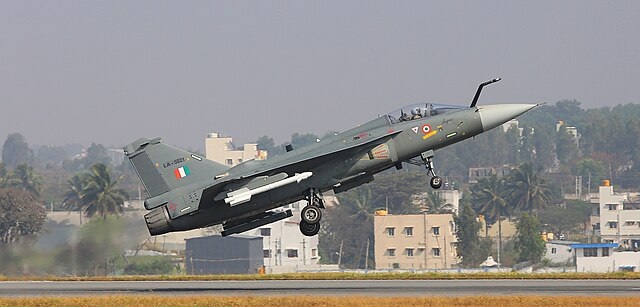
India’s indigenous fighter jet programme has reached another milestone, with the Directorate General of Aeronautical Quality Assurance (DGAQA) granting Flight Clearance for the LCA Tejas Mk-1A manufactured at Hindustan Aeronautics Limited’s (HAL) Nashik Division.
The clearance means that the aircraft built in this facility has met all the stringent safety, structural integrity, and performance checks required to begin official flight testing. In simpler terms, it’s the green signal that the fighter is airworthy and ready to take to the skies for operational trials.
Until now, production of the Tejas series was mainly handled by HAL’s Bengaluru complex. The addition of the Nashik line — better known for building Sukhoi Su-30MKI fighters — marks a significant expansion in India’s indigenous aircraft production capacity. This step will help speed up deliveries under the 83-aircraft contract for the Indian Air Force, which was signed in 2021.
The Tejas Mk-1A is a modernized version of the baseline Tejas, featuring advanced active electronically scanned array (AESA) radar, electronic warfare suites, mid-air refuelling capability, improved maintainability, and integration with beyond-visual-range missiles. These upgrades are designed to make it more capable in modern aerial combat and enhance survivability.
HAL’s Nashik facility has been retooled to support Tejas production alongside existing projects. This parallel manufacturing approach is crucial to meeting the IAF’s timelines, as the Air Force is keen to induct the Mk-1A quickly to replace its aging MiG-21 fleet and strengthen its fighter squadron numbers.
The first Nashik-built Tejas Mk-1A is expected to commence flight tests shortly, followed by a formal handover to the IAF once trials are successfully completed. This development also aligns with India’s push for self-reliance in defence manufacturing under the “Atmanirbhar Bharat” initiative, reducing dependence on foreign suppliers for frontline combat aircraft.
With both Bengaluru and Nashik now producing the fighter, India’s capacity to roll out advanced indigenous jets has effectively doubled — a move that could also position the Tejas as a stronger contender in the global light combat aircraft export market.
✍️ This article is written by the team of The Defense News.