HAL to Manufacture AL-55I Engines Locally for HJT-36 Sitara Trainer, Enhancing IAF Training Efficiency
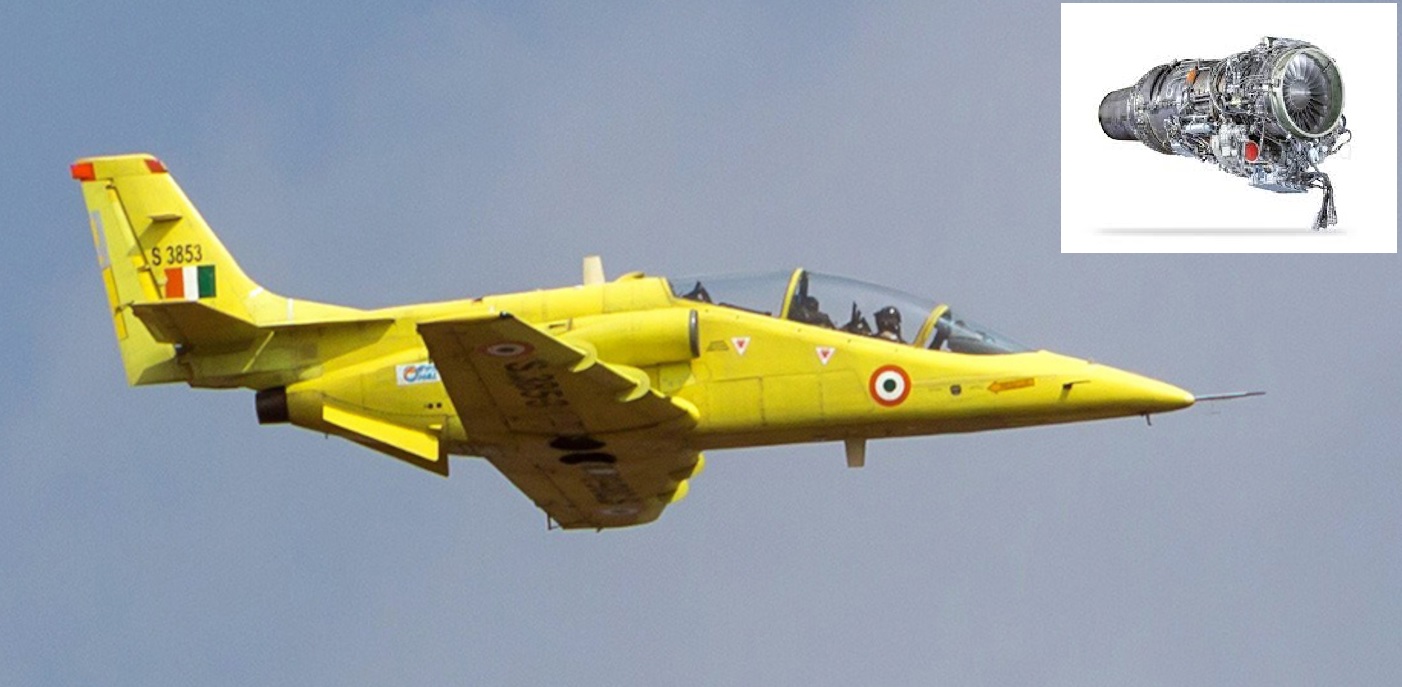
In a significant boost to India's aerospace sector, Hindustan Aeronautics Limited (HAL) is set to commence licensed production of the AL-55I turbojet engine. This development aligns with the HJT-36 Sitara intermediate jet trainer (IJT) advancing towards its production phase for the Indian Air Force (IAF). Previously, these engines were assembled by Russia's United Engine Corporation (UEC) and subsequently imported into India.
The AL-55I engines, which power the HJT-36, have been upgraded to extend their service life to 1,200 flight hours, thereby enhancing their reliability and operational lifespan. This improvement is crucial for the HJT-36 program, which aims to replace the aging HJT-16 Kiran jet trainers currently utilized for Stage II pilot training within the IAF.
The HJT-36 Sitara, meaning 'Star' in Hindi, is designed to bridge the training gap between basic piston-engine trainers and advanced jet trainers. It offers the simplicity required for novice pilots transitioning from propeller aircraft while providing advanced features necessary to prepare them for modern combat jets.
Despite these advantages, the IAF has not yet placed a firm order for the IJT, reflecting the program's history of delays and technical challenges. The HJT-36's development has faced numerous setbacks, particularly concerning spin characteristics—a critical safety aspect for any training aircraft. These delays have led the IAF to restructure its training syllabus.
Currently, rookie pilots undergo basic and intermediate training on Swiss Pilatus PC-7 Mk.II turboprop trainers, followed by advanced training on HAL-built Hawk Mk.132 aircraft. This shift reduces reliance on the Kiran, which is being phased out of the training program.
Nevertheless, HAL remains committed to the HJT-36 program. The company has invested in extensive research and development, including modifications to the Limited Series Production (LSP) 4 aircraft based on wind tunnel testing. These modifications aim to address the aircraft's spin recovery issues, a key performance parameter for jet trainers.
HAL is currently conducting spin flight testing, a critical phase in the aircraft certification process. These tests rigorously evaluate the HJT-36's behavior during spins, ensuring it can safely recover from up to six turns in either direction. This capability is essential for training pilots to handle aircraft in extreme conditions and recover from unintended spins, a vital skill for fighter pilots.
The local production of AL-55I engines is expected to offer long-term cost savings for the IAF's training programs. By manufacturing these engines domestically, HAL aims to reduce dependency on foreign suppliers, lower maintenance costs, and ensure a steady supply of spare parts, thereby enhancing the overall efficiency and effectiveness of pilot training in India.
About the Author
Aditya Kumar:
Defense & Geopolitics Analyst
Aditya Kumar tracks military developments in South Asia, specializing in Indian missile technology and naval strategy.