HAL Send Delegation to U.S. for Crucial Talks with GE on F414-INS6 Engine Production for Tejas Mk-2 and AMCA
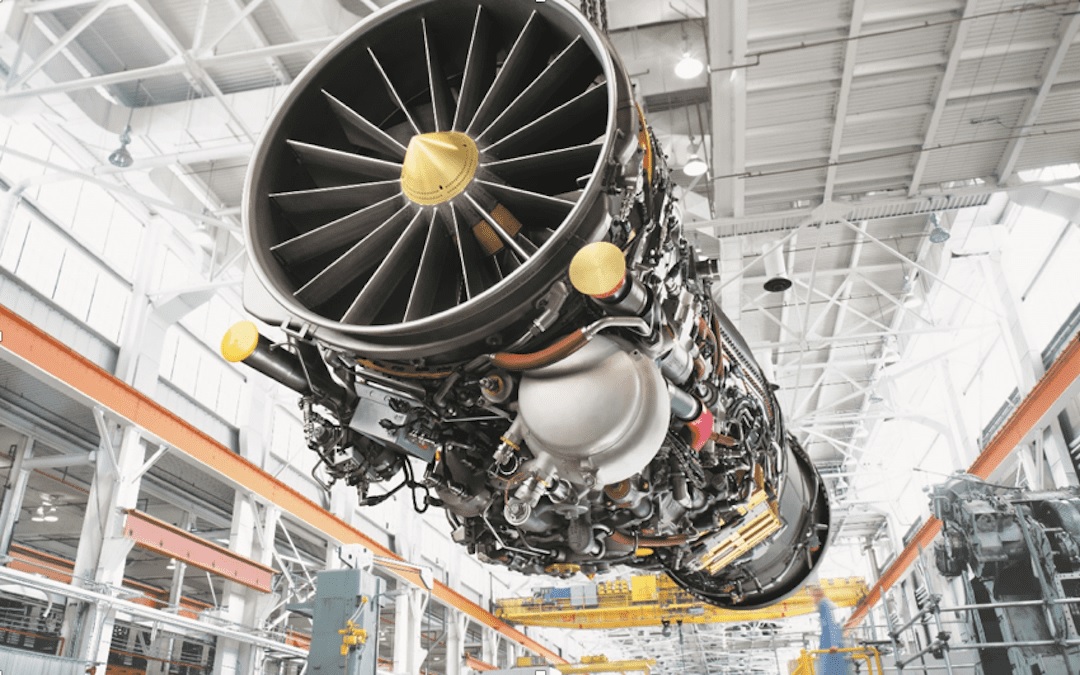
Hindustan Aeronautics Limited (HAL) will send a delegation to the United States later this month for the fifth round of negotiations with General Electric (GE) on the joint production of the GE F414-INS6 engines in India. The engines are earmarked for the indigenous TEJAS Mk-2 fighter and the first prototypes of the Advanced Medium Combat Aircraft (AMCA), making the deal one of the most critical milestones in India’s defence aviation roadmap.
Defence Ties Resilient Amid Trade Frictions
The upcoming talks come at a time when trade and tariff disputes persist between New Delhi and Washington. Yet, both nations continue to show a strong commitment to deepening defence cooperation. The presence of senior GE officials and representatives from the U.S. State Department in the negotiations underlines the strategic and political weight of this engine deal.
Agreement Highlights
-
Technology Transfer: The deal is expected to provide up to 80 percent technology transfer, primarily in manufacturing and assembly processes. This includes advanced know-how such as single-crystal turbine blades, special high-temperature coatings, digital engine control systems, and precision laser-drilling.
-
Manufacturing License: HAL has already signed a manufacturing license agreement with GE, paving the way for a large-scale production facility in India, likely near Bengaluru.
-
Scale of the Deal: Valued at close to $1 billion, the program is one of the largest engine collaborations India has signed, with scope for expansion if timelines are met.
Role in Tejas Mk-2
The TEJAS Mk-2 is a 4.5-generation single-engine multi-role fighter that will replace ageing aircraft such as the Mirage-2000, MiG-29, and Jaguar in the Indian Air Force. Compared with the Mk-1 and Mk-1A, it offers:
-
Longer fuselage with greater internal fuel capacity
-
Close-coupled canards for higher manoeuvrability
-
Higher payload capacity and extended combat range
-
Powered by the 98 kN F414-INS6 engine, offering superior thrust over the F404 engines used in the Mk-1A
Production of the Mk-2 is slated to begin with limited series production by 2026, the first flight in 2027, and operational induction by 2031 after a three-year testing and certification phase.
Strategic Link to AMCA
The AMCA project, India’s first stealth-capable fifth-generation fighter program, is closely tied to this propulsion deal. Early AMCA prototypes and production variants will be powered by the F414-INS6. Over time, however, India plans to shift to a co-developed 120 kN-class engine with France’s Safran, which will power later AMCA blocks. This dual-track engine strategy ensures India meets immediate combat needs while building long-term indigenous design capabilities.
Broader Impact
-
Propulsion Sovereignty – While the F414 deal does not cover core design, mastering 80% of engine manufacturing technologies will significantly reduce India’s dependence on foreign suppliers.
-
Industrial Growth – Setting up the engine line in India will boost HAL’s ecosystem and involve private players in precision component manufacturing.
-
Defence Diplomacy – It highlights New Delhi’s ability to leverage its strategic partnerships, even in the face of economic frictions.
-
Next Step: Design Leadership – Collaboration with Safran positions India for future indigenous engine design and autonomy, a domain long considered the “holy grail” of aerospace technology.
If concluded smoothly, the HAL-GE F414-INS6 partnership will deliver engines at scale for the TEJAS Mk-2 and AMCA, directly addressing the IAF’s fighter shortfall. More importantly, it will serve as a bridge from licensed manufacturing to joint design and indigenous development, marking a decisive leap in India’s pursuit of aerospace self-reliance.
✍️ This article is written by the team of The Defense News.