HAL Plans to Fully Manufacture AL-31FP Engines for Su-30MKI in India, Including All Components
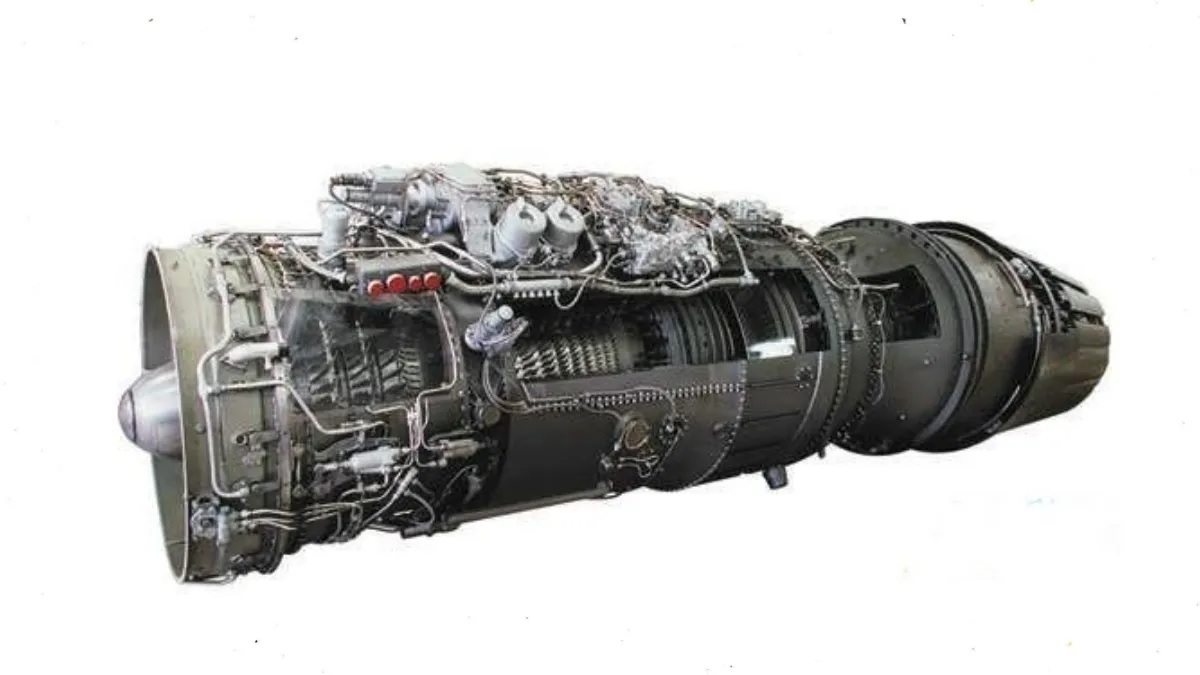
Hindustan Aeronautics Limited (HAL) is making a groundbreaking move in India's defence manufacturing sector by taking up the challenge of producing AL-31FP engines for the Sukhoi Su-30MKI fighter aircraft entirely within the country. This ambitious effort aligns with the Indian government's "Atmanirbhar Bharat" (Self-Reliant India) vision, which aims to reduce dependency on foreign suppliers and strengthen the domestic defence industry.
A Landmark Contract for Indigenous Manufacturing
On September 9, 2024, HAL secured a ₹26,000 crore ($3.1 billion) contract with the Indian Ministry of Defence to produce 240 AL-31FP engines. This significant order sets a precedent for the integration of cutting-edge manufacturing capabilities within India. The engines are to be delivered over eight years, starting with a production rate of 30 engines annually from HAL's Koraput division in Odisha.
The AL-31FP engine, known for its thrust-vectoring capabilities, powers India's fleet of Su-30MKI jets, which form the backbone of the Indian Air Force (IAF). Each engine delivers a thrust of around 12,500 kgf with afterburners and 7,600 kgf in dry thrust, enabling high maneuverability and sustained supersonic performance. By focusing on localized production, HAL aims to ensure a steady supply of these critical components while reducing reliance on imports.
Indigenization Efforts
The contract stipulates that the engines will have at least 54% indigenous content at the outset, which HAL plans to increase to over 63% by the end of the agreement. Currently, about 40% of the work on AL-31FP engines involves Indian industries, a figure expected to exceed 50% within two to three years. This includes sourcing raw materials, fabricating complex components, and assembling finished products entirely within the country.
Addressing Geopolitical Challenges
India's dependency on foreign-made parts, particularly from Russia, has faced challenges due to global geopolitical tensions, including the ongoing Russia-Ukraine conflict. These disruptions have highlighted the vulnerabilities in the supply chain for critical military components. HAL's initiative to produce the AL-31FP engines domestically addresses this issue by creating a sustainable and self-sufficient ecosystem for defence manufacturing.
HAL's Advanced Koraput Facility
HAL’s Koraput division plays a pivotal role in this endeavor. The facility boasts state-of-the-art equipment and highly skilled personnel capable of handling the complexities of aero-engine manufacturing. It is designed to manage the entire production process, from raw material processing to the final assembly and testing of engines. The first AL-31FP engine delivery within weeks of the contract signing underscores HAL’s operational readiness and technical expertise.
Broader Implications
This indigenization drive is more than just an operational achievement; it has far-reaching implications for India’s defence sector. By integrating local industries into the supply chain, HAL is fostering an ecosystem that benefits not only the IAF but also the broader aerospace and manufacturing sectors. This initiative could also pave the way for India to become an exporter of high-performance aero engines in the future.
Moreover, HAL’s project serves as a model for other defence programs aiming for greater self-reliance. It demonstrates how public-sector enterprises can lead the charge in reducing dependency on foreign technology while enhancing domestic capabilities.
Long-Term Impact
The successful indigenization of the AL-31FP engine will significantly bolster India's operational readiness by ensuring the availability of spare parts and reducing maintenance downtimes for the Su-30MKI fleet. Additionally, this move is expected to create jobs, enhance technical expertise, and contribute to the nation's economic growth.
HAL's initiative not only strengthens India’s defence posture but also positions the country as a global hub for advanced aerospace manufacturing. With this achievement, HAL is setting a precedent for future collaborations and indigenous production efforts, firmly steering India towards self-reliance in defence technology.
✍️ This article is written by the team of The Defense News.