India
Defense
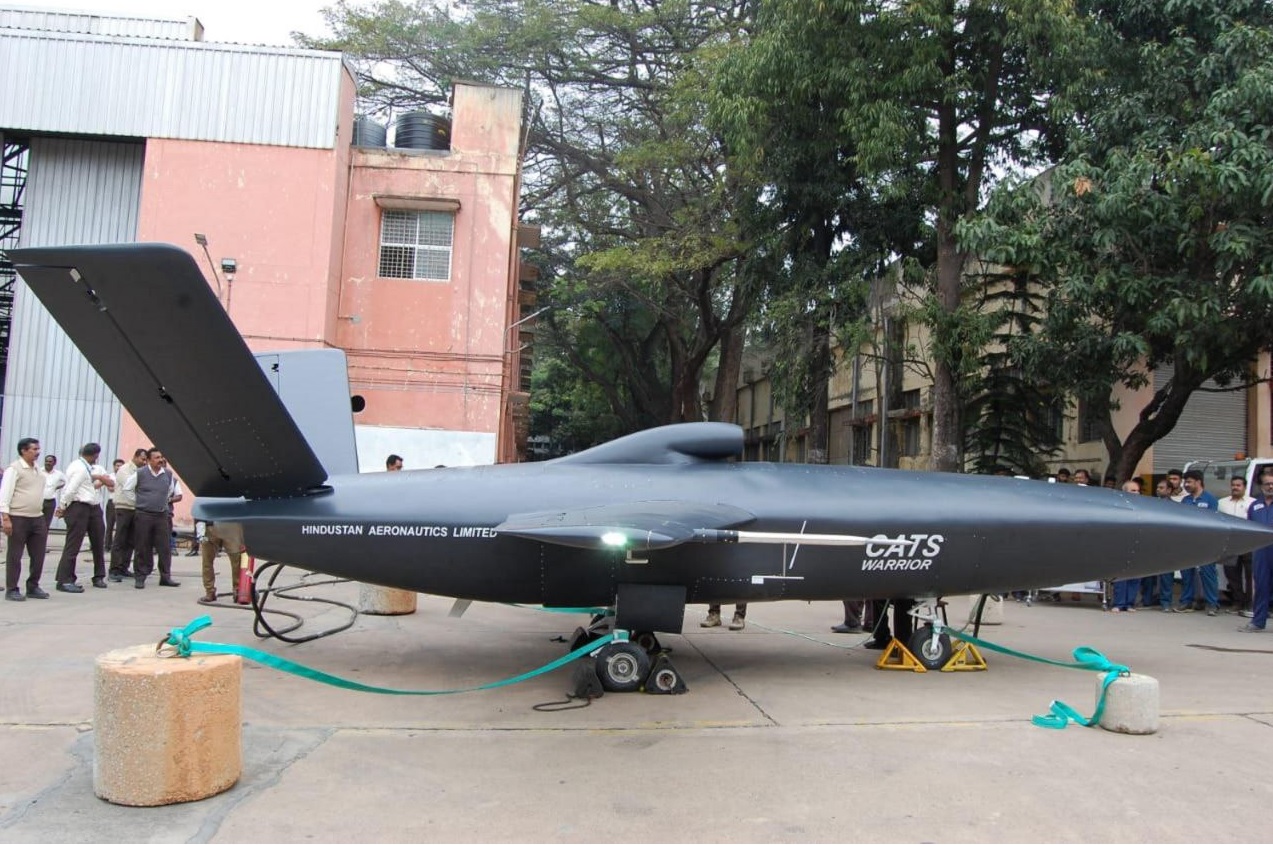
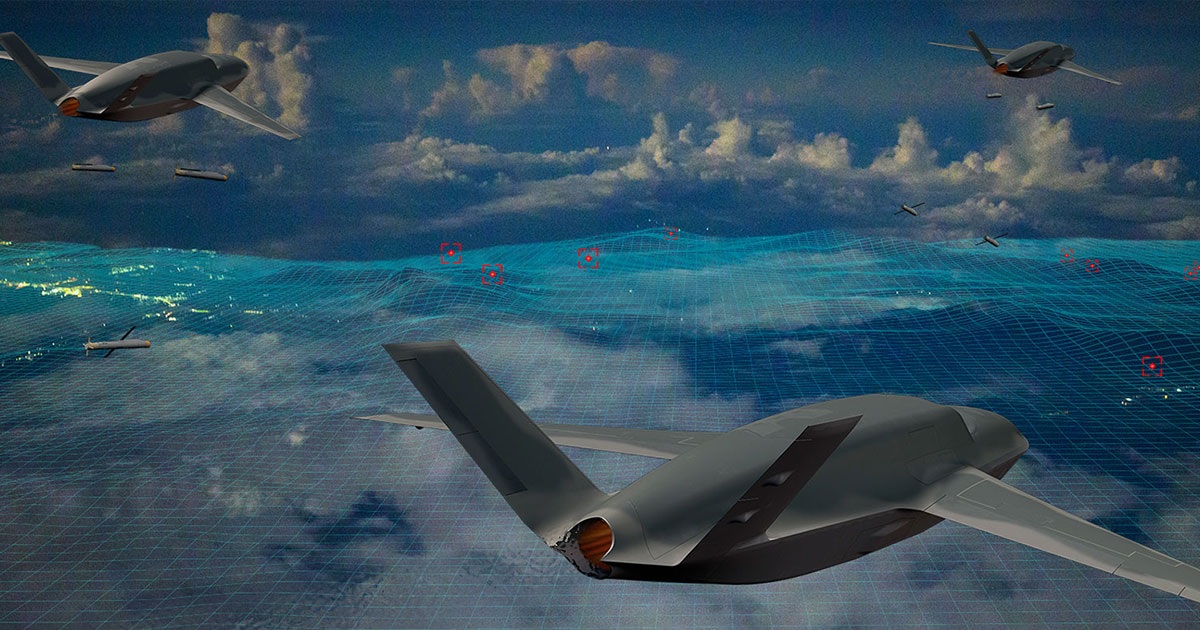
BENGALURU — Hindustan Aeronautics Limited (HAL) has confirmed that the CATS Warrior unmanned combat aerial vehicle (UCAV) will now take to the skies for its first flight in 2027, slipping past the earlier target of 2026. The update came directly from HAL Chairman & Managing Director D.K. Sunil during an interview at the ANI National Security Summit on November 28, 2025.
Original Timeline and Shift
When HAL unveiled the Combat Air Teaming System (CATS) project, the 2-ton CATS Warrior was expected to complete its first flight by 2026. Ground tests aligned with that plan — its PTAE-7–derived engines had already completed test runs in 2024, and a full-scale engine ground test was conducted in early 2025.
However, HAL now acknowledges that additional time is required for flight-control software refinement, aerodynamic adjustments, weapons integration, and system validation, pushing the maiden flight to 2027.
D.K. Sunil stated, “We are building the UCAV ‘CATS Warrior’. It will be ready by next year, and we expect it to fly by 2027.”
What’s Causing the Delay?
According to HAL officials and programme insiders, several bottlenecks contributed to the schedule slip:
-
Integration challenges involving avionics, data links and autonomous teaming architecture
-
Power and endurance limitations of the temporary PTAE-W engines used in the demonstrator
-
Awaiting progress on the HTFE-25 turbofan, which will power future heavy variants
-
Expanded system testing after lessons learned from the Ukraine war regarding survivability, EW resilience and GPS-denied operations
Engineers say the project remains on schedule structurally, but advanced manned-unmanned teaming (MUM-T) systems require additional test time.
CATS Warrior II: Heavier, More Capable Variant
HAL has also confirmed long-term plans for a 5-ton class ‘CATS Warrior II’, which is expected to fly between 2028 and 2031. This version will be powered by the indigenous HTFE-25 turbofan, providing:
-
Increased payload capacity from 650 kg to 1,200 kg
-
Longer endurance
-
Higher-speed ingress and strike options
-
More sophisticated EW and sensor packages
The estimated cost per unit of the Warrior II is around USD 16 million.
Strategic Significance for India
Despite the delay, the CATS Warrior remains central to India’s shift toward advanced unmanned warfare. Once operational, it will position India alongside major global powers—such as the United States, Australia, China, and the United Kingdom—who are already developing loyal-wingman combat drones.
The Warrior is designed to work seamlessly with India’s current and future manned fighter fleet, including the Tejas Mk1A, Su-30MKI, TEDBF, AMCA, and eventually even sixth-generation platforms.
By linking these aircraft through an AI-driven combat network, the CATS Warrior will not merely support missions—it will expand the Indian Air Force’s tactical possibilities, enabling coordinated strikes, distributed sensing, and high-risk operations without exposing pilots to danger.
Additional HAL Projects: Maritime Helicopter Programme
During the ANI summit, D.K. Sunil also announced progress on HAL’s Utility Helicopter Maritime (UHM) programme.
He said, “We are also working on the UHM — the deck-based utility helicopter. It will start flying this year, and delivery will take place in two years.”
The UHM is intended for naval missions including offshore patrol, anti-submarine support, maritime rescue and shipborne logistics.
A Crucial Phase Ahead
HAL insists the programme remains on track despite the one-year slip. The 2027 first flight will be a defining milestone for India’s entry into combat-ready autonomous aircraft. If CATS Warrior meets its design goals, it could become one of India’s most important force-multipliers — a lesson reinforced by the battlefield realities of Ukraine, where unmanned systems have repeatedly altered the course of operations.
For now, HAL is focusing on closing the technological gaps and ensuring the UCAV is ready for its long-awaited flight test in 2027.
About the Author
Aditya Kumar:
Defense & Geopolitics Analyst
Aditya Kumar tracks military developments in South Asia, specializing in Indian missile technology and naval strategy.