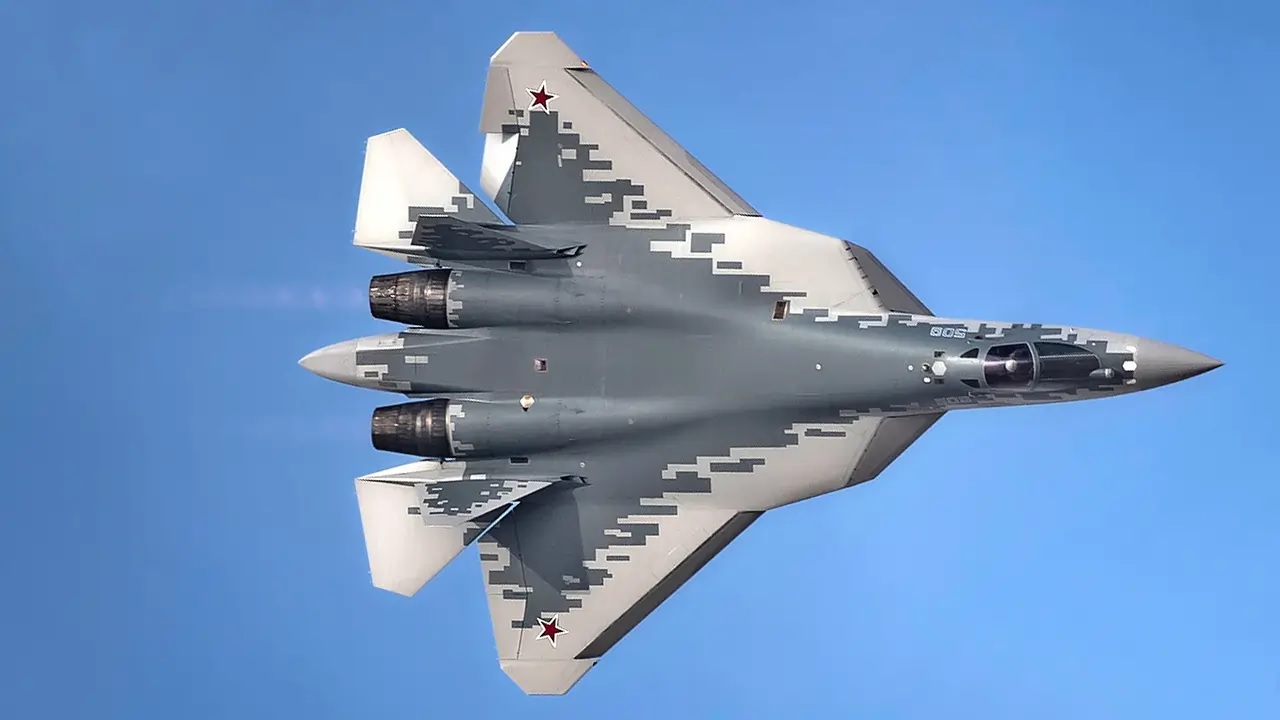
NEW DELHI : A Russian technical team assessing the feasibility of manufacturing the fifth-generation Su-57 stealth fighter in India is expected to submit a detailed cost report to Hindustan Aeronautics Limited (HAL) later this month, potentially reviving a long-dormant plan for Indo-Russian collaboration on advanced combat aircraft, The Indian Express has learnt.
According to defence sources familiar with the discussions, the report will present a comprehensive estimate of investments HAL would need to undertake if India and Russia decide to move forward with domestic production of the Russian fifth-generation jet. The assessment covers advanced stealth technologies, skilled manpower requirements, production tooling, testing infrastructure, and the creation of an indigenous supply chain capable of supporting sustained manufacture and lifecycle maintenance.
Russian Assessment Finds HAL “Half Ready”
The Russian team, which includes representatives from the Sukhoi Design Bureau and other defence entities, had already shared an initial technical assessment with HAL around two months ago. That report concluded that HAL already possesses nearly 50 per cent of the infrastructure required to manufacture a fifth-generation fighter aircraft in India.
This readiness stems from more than two decades of licensed production of the Su-30MKI, following an inter-governmental agreement signed in December 2000. Under that programme, HAL established a nationwide production ecosystem that remains central to the Indian Air Force’s combat fleet.
HAL’s Nashik division hosts the final assembly line for the Su-30MKI, while its Koraput facility undertakes licensed manufacture and overhaul of AL-31FP turbofan engines. Avionics and mission systems support is provided by HAL’s Strategic Electronics Factory in Kasaragod, Kerala. Defence planners believe much of this industrial base could be adapted for the Su-57 with targeted upgrades.
Fifth-Generation Gap Looms for IAF
The renewed focus on fifth-generation options comes amid growing concern within the Indian Air Force (IAF) over a capability gap expected to last eight to ten years. India’s indigenous fifth-generation programme, the Advanced Medium Combat Aircraft (AMCA), is not expected to enter service until the next decade.
At a recent defence event, Air Marshal Ashutosh Dixit, Chief of Integrated Defence Staff (CISC), acknowledged the looming gap and said multiple options were under evaluation to maintain fighter squadron strength. “We are thinking right now how that gap can be filled. There are various options. We are still working that out,” he said, adding that fifth-generation capability remains under active deliberation.
Su-57E vs F-35: A Strategic Choice
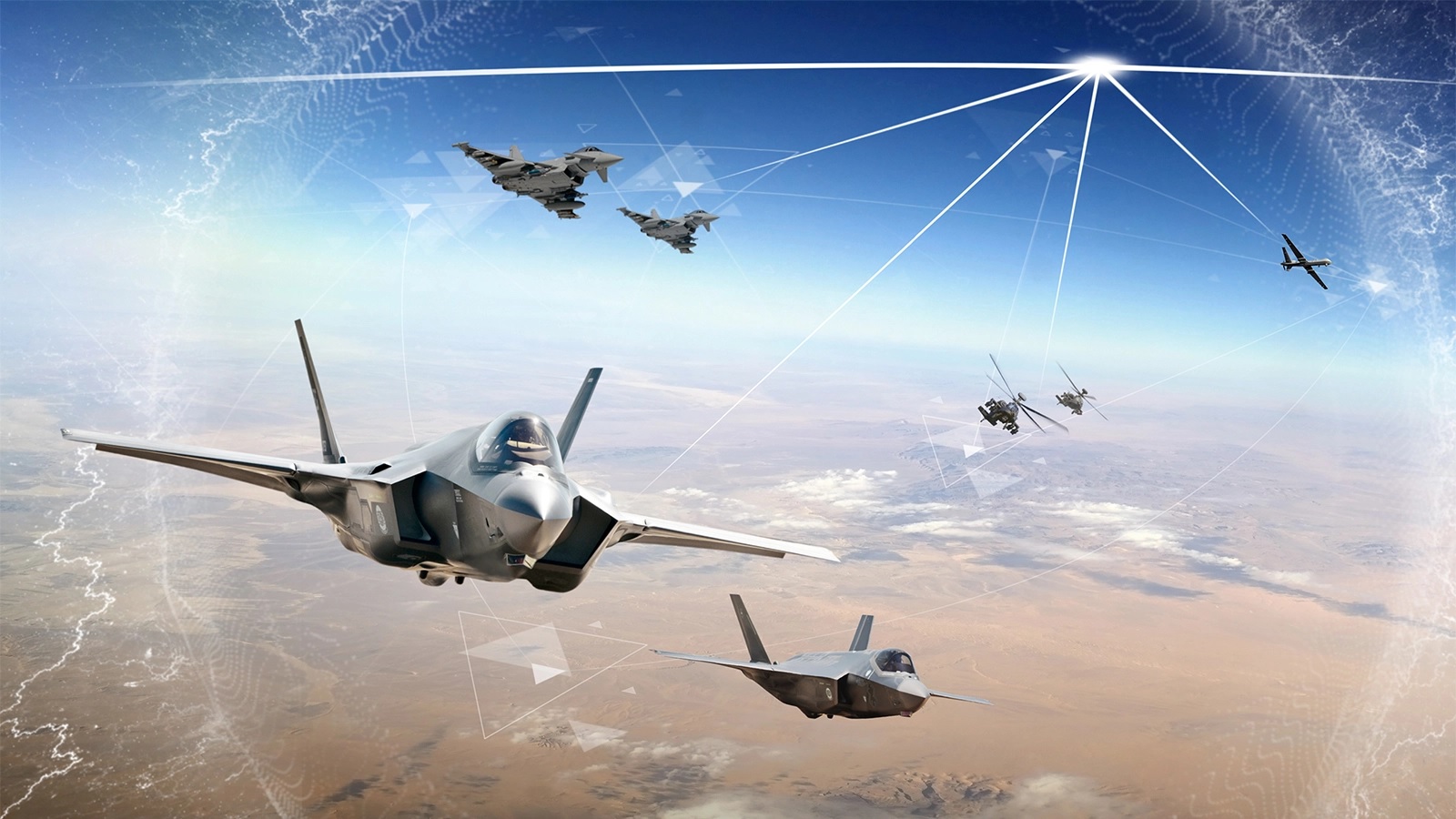
If India opts for a limited stopgap induction of foreign fifth-generation fighters, the choice has narrowed to two aircraft: the Russian Su-57E and the American F-35 Lightning II. Both platforms were showcased at Aero India 2025 in Bengaluru, underscoring India’s strategic importance to global defence manufacturers.
However, defence analysts suggest that strategic autonomy considerations could tilt New Delhi toward the Russian option. Analysts point to longstanding Indian concerns over end-use restrictions, software locks, and limits on weapons integration associated with U.S. platforms. By contrast, Russia has indicated a willingness to provide India with broader access to source codes, mission systems, and weapons integration on the Su-57, aligning with India’s emphasis on operational sovereignty.
In October last year, Russian Ambassador Denis Alipov publicly stated that Moscow was prepared to support India’s AMCA programme through local production of the Su-57 and associated technologies. While there has been no official confirmation that the proposal was discussed during Russian President Vladimir Putin’s visit to India in December 2025, the submission of the cost report suggests the idea remains under serious consideration.
Industry-Led Exercise, No Final Decision Yet
Officials emphasise that the current exercise is being driven by HAL to assess its own capacity and investment exposure, rather than as a signal of imminent procurement. The government has not yet taken a policy decision on acquiring any foreign fifth-generation fighter, and any such move would require high-level political approval and inter-governmental negotiations.
Still, with squadron numbers under pressure and the AMCA timeline stretching into the 2030s, the Su-57 manufacturing study marks a significant step in India’s search for a credible fifth-generation bridge — one that could also deepen its long-standing aerospace partnership with Russia while strengthening domestic defence manufacturing.