Gulf States Warn U.S, Iran Strike Would Shake Global Oil Markets

Washington / Riyadh / Doha / Muscat : Saudi Arabia, Qatar and Oman have issued a stark warning to the White House that any attempt to forcibly overthrow Iran’s Islamic regime would risk destabilizing global oil markets, disrupting critical shipping routes and inflicting direct damage on the U.S. economy, according to reporting by The Wall Street Journal.
The three Gulf states, all of which play pivotal roles in global energy supply chains, are urging Washington to refrain from military strikes against Iran, arguing that the economic consequences would be immediate and severe. Their message, delivered through diplomatic channels, reflects mounting anxiety across the region that an escalation with Tehran would spiral beyond a limited confrontation.
Why Oil Markets Are at the Center of the Crisis
At the heart of the warning lies the vulnerability of the Strait of Hormuz, the narrow maritime corridor through which roughly one-fifth of the world’s traded oil passes each day. Iranian military planners have long signaled that, in the event of a direct attack on the Islamic Republic, Tehran would move swiftly to disrupt traffic through the strait using naval mines, fast-attack boats, drones and anti-ship missiles.
Energy analysts note that even a temporary closure or sustained harassment of shipping lanes would send oil prices sharply higher, ripple through global supply chains and intensify inflationary pressures in major economies, including the United States. Gulf officials have privately warned Washington that markets would react not to the duration of a conflict, but to the perception that Hormuz could become unsafe.
Proxy Warfare and Long-Running Threats to Shipping
Regional governments also point to Iran’s long-established reliance on proxy warfare as a key factor behind their concern. Over decades, Iran’s Islamic regime has cultivated allied militias and armed groups across the Middle East, using them to exert pressure while maintaining plausible deniability. These proxy forces have repeatedly targeted energy infrastructure, oil tankers and ports in the Persian Gulf, the Red Sea and nearby waterways.
Officials fear that any direct U.S. strike would trigger a prolonged, multi-front campaign rather than a short, contained clash. Pro-Iranian militias could intensify attacks on oil routes and export terminals, compounding energy disruptions and drawing neighboring states deeper into the conflict.
Risks Extend Beyond Regime Change Scenarios
The warnings from Saudi Arabia, Qatar and Oman extend beyond the immediate aftermath of a strike. Diplomats caution that even a collapse of Iran’s current Islamic regime would not guarantee regional stability. In a power vacuum, rival factions, armed groups or remnants of the security apparatus could continue to target Gulf oil production sites and shipping lanes, prolonging insecurity across the region.
Major energy facilities in Saudi Arabia and the United Arab Emirates remain within range of Iranian missiles and drones, and Gulf leaders fear that these sites would become prime targets in any wider confrontation.
Iran Issues Direct Threats Over U.S. Bases
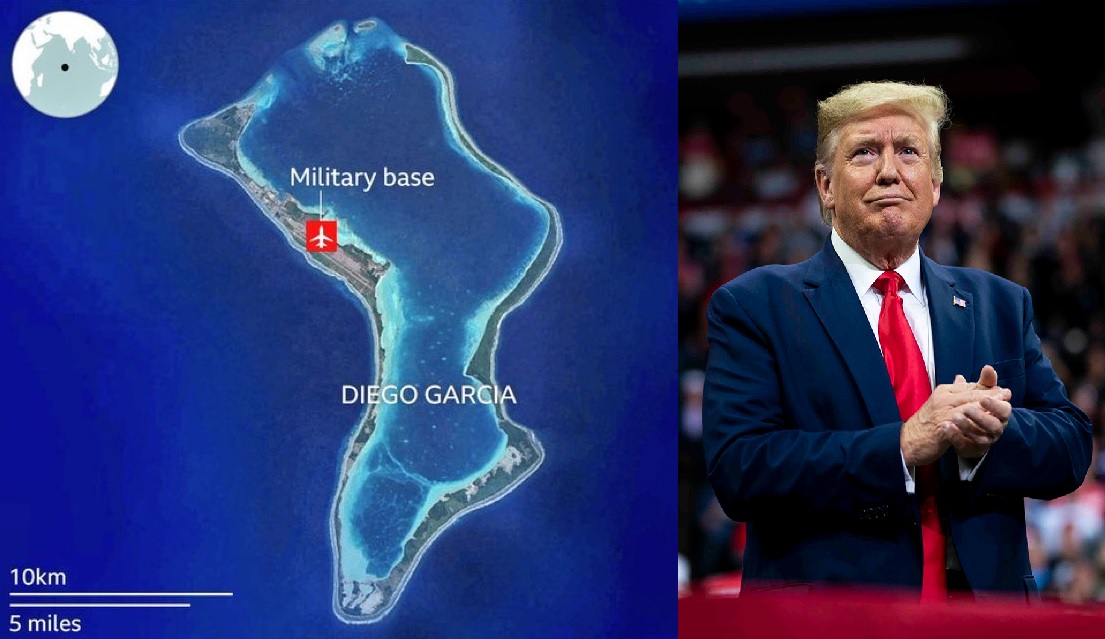
Adding to the sense of urgency, Iran has reportedly warned countries hosting U.S. forces that it would attack American military bases on their territory if Donald Trump orders strikes against Iran. Regional officials say the warning has been taken seriously, particularly by states that host key U.S. air and naval facilities.
Such a move would dramatically broaden the conflict, potentially drawing multiple countries into open hostilities and undermining years of carefully balanced security arrangements.
Turkey Steps In as Diplomatic Channels Multiply
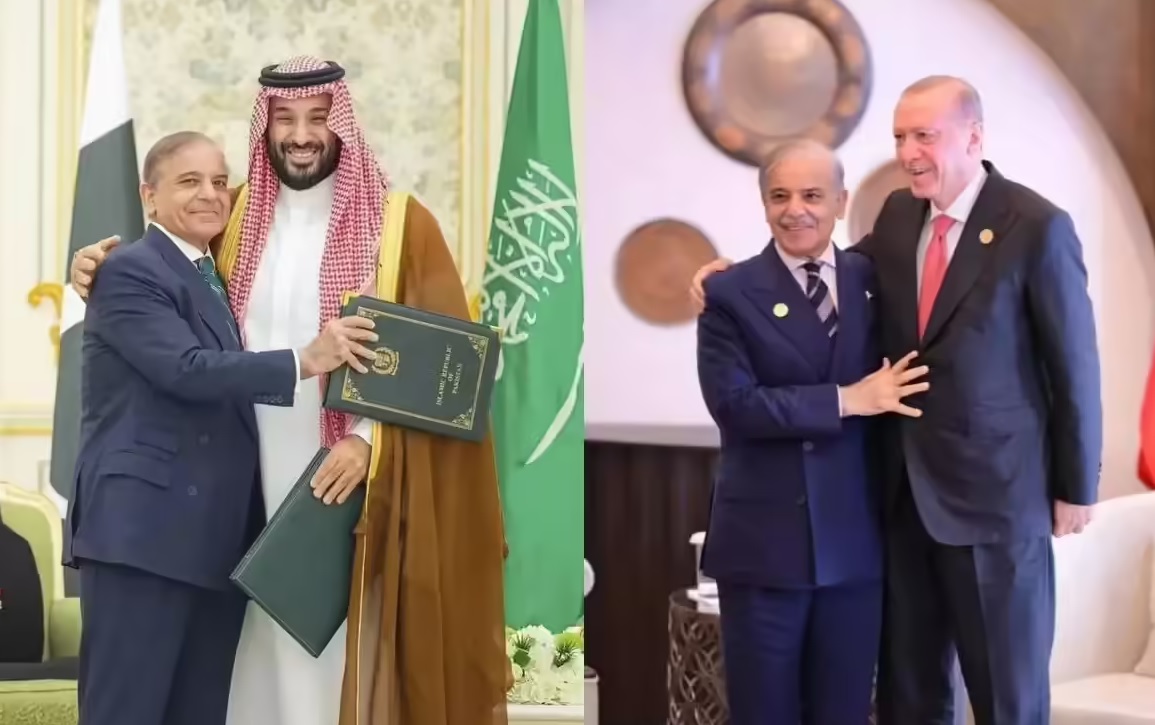
Amid the rising tensions, Turkey has emerged as an active diplomatic interlocutor. Turkish Foreign Minister Hakan Fidan has spoken twice with his Iranian counterpart in the past 24 hours, according to regional diplomatic sources.
Ankara has also contacted other countries in the region in an effort to contain the crisis. Officials familiar with the talks say Turkey is pressing all sides to avoid actions that could trigger an uncontrollable escalation.
Push for De-Escalation as Stakes Rise
Efforts to de-escalate the situation are now underway across multiple capitals, even as military signaling continues. Gulf states, while aligned with Washington on many security issues, are making clear that a war with Iran would carry costs they believe outweigh any potential gains.
For the White House, the warnings underscore a central dilemma: confronting Iran risks igniting a regional conflict that could choke off oil supplies and destabilize global markets, while restraint carries its own political and strategic challenges. As diplomatic activity intensifies, the coming days may prove critical in determining whether the crisis moves toward de-escalation or a far more dangerous path.
About the Author
Aditya Kumar:
Defense & Geopolitics Analyst
Aditya Kumar tracks military developments in South Asia, specializing in Indian missile technology and naval strategy.