Greece joins IRIS-T Block II missile programme with €34.3 million investment
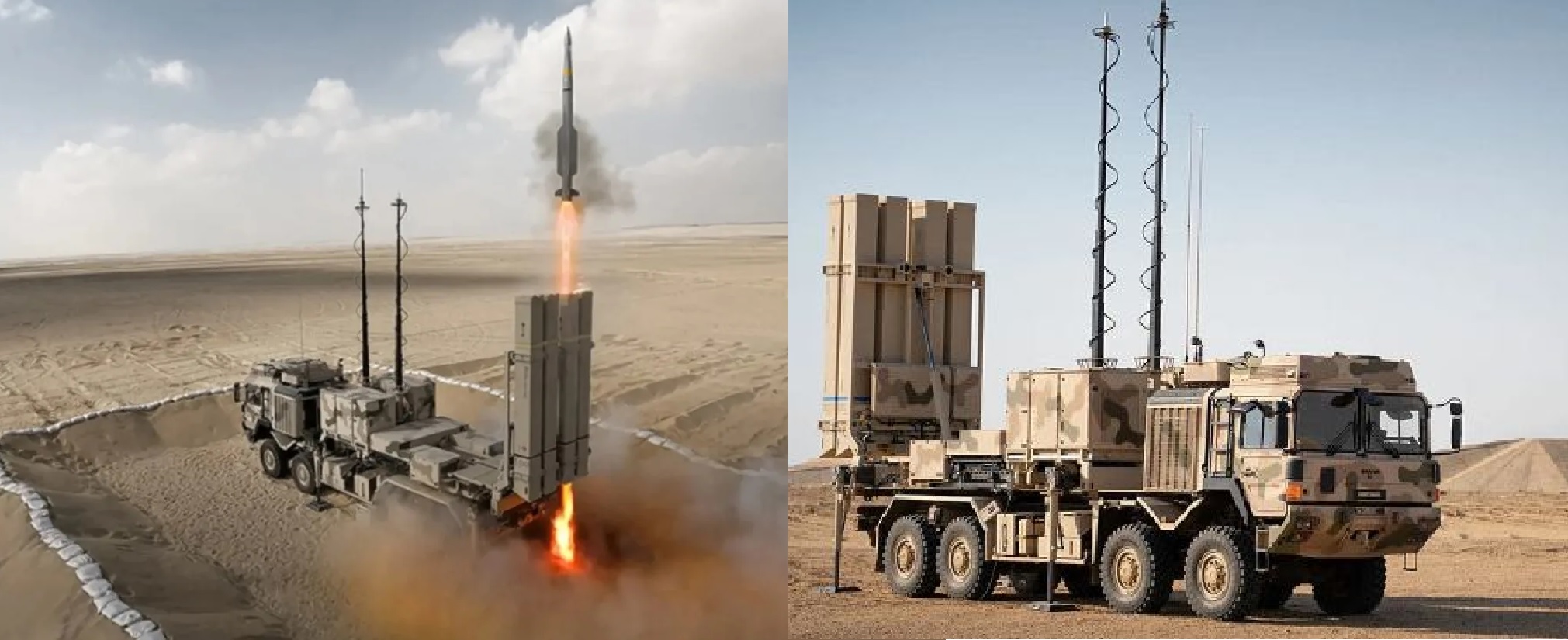
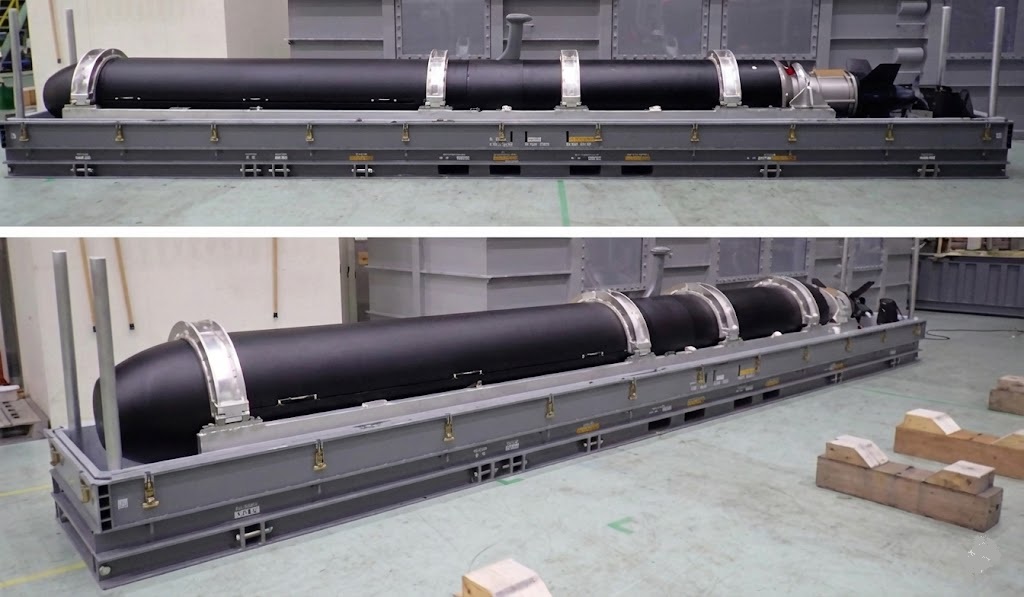
Greece has formally entered the multinational IRIS-T Block II air-to-air missile programme, committing €34.3 million to the development, production and certification of the next-generation missile system. The decision was finalised through a Memorandum of Understanding (MoU) led by Germany and prime contractor Diehl Defence, marking a significant step in strengthening the Hellenic Air Force’s air combat capabilities while deepening European defence cooperation.
The agreement places Greece among the participating nations shaping the future evolution of the IRIS-T missile family, already in service with several European air forces. By joining at the development stage, Athens secures early access to advanced missile technology and a role in production and sustainment planning, rather than limiting its involvement to end-user procurement.
Scope of the Greek contribution
Greece’s €34.3 million contribution will support key elements of the IRIS-T Block II programme, including system development, testing, certification, and preparations for series production. Defence officials have highlighted that the investment is intended to deliver both operational capability and long-term industrial benefits, particularly through participation in maintenance, repair and overhaul (MRO) activities.
As part of the MoU, Greece will gain access to technical expertise, training, and missile sustainment know-how, enabling the establishment of domestic maintenance and repair infrastructure. This transfer of knowledge is seen as a step towards greater strategic autonomy and reduced reliance on foreign support for critical air-to-air weapon systems.
Technical objectives of IRIS-T Block II
The IRIS-T Block II missile is being developed to operate in a more complex and electronically contested air combat environment. A core objective of the programme is an extended engagement range compared with existing IRIS-T variants, allowing pilots to engage hostile aircraft at greater distances.
Another major enhancement is an advanced infrared imaging seeker, designed to improve target detection, tracking, and discrimination, even against low-signature or highly manoeuvrable targets. The missile will also feature improved resistance to electronic countermeasures (ECM), ensuring reliable performance in environments affected by jamming, decoys and electronic attack.
Multinational framework and industrial cooperation
Germany is acting as lead nation for the IRIS-T Block II programme, with Diehl Defence serving as prime contractor. Several European partner nations are involved in different aspects of development, manufacturing and testing, sharing costs, industrial workshare, and technological risk.
For Greece, participation in this framework offers access to high-value defence industrial activities, strengthens links with the European missile industry, and supports the broader goal of reinforcing Europe’s defence industrial base.
Timeline and production outlook
Full-scale development and production activities for IRIS-T Block II are expected to intensify from the mid-2020s, with peak activity projected between 2026 and 2029. This phase will include live-fire testing, certification, and the transition to serial production for partner nations.
While specific delivery schedules and aircraft integration timelines for Greece have not been publicly disclosed, the Hellenic Air Force is expected to begin benefiting from the missile once national certification and platform integration are completed.
Strategic implications for Greece
Greece’s entry into the IRIS-T Block II programme aligns with its broader efforts to modernise the air force and maintain a qualitative edge in an increasingly demanding regional security environment. Once operational, the missile is expected to enhance both within-visual-range (WVR) and beyond-visual-range (BVR) engagement capabilities, improving air defence, deterrence, and interoperability with allied forces.
Beyond immediate military gains, the programme represents a long-term investment in technology, skills, and infrastructure. As IRIS-T Block II moves toward production and service entry, Greece’s role is set to extend beyond that of a customer, embedding the country more firmly within Europe’s next-generation air combat ecosystem.
About the Author
Aditya Kumar:
Defense & Geopolitics Analyst
Aditya Kumar tracks military developments in South Asia, specializing in Indian missile technology and naval strategy.