Greece Set To Deploy Israeli LORA Ballistic Missiles On Aegean Islands
ATHENS — Greece is moving ahead with plans to deploy Israel’s LORA (Long-Range Artillery) surface-to-surface ballistic missile system across strategically located Aegean islands and key positions in the Eastern Mediterranean, significantly expanding the country’s long-range precision strike capability and reshaping its island defence posture.
The decision, according to defence officials and regional security reporting, forms a core part of Greece’s broader armed forces modernisation programme, aimed at strengthening deterrence, improving rapid-reaction options, and countering emerging missile and drone threats in the region. While the Greek Ministry of National Defence has not yet disclosed full contractual details, political and parliamentary approvals are understood to have cleared the acquisition path.
430-Kilometre Precision Strike Capability
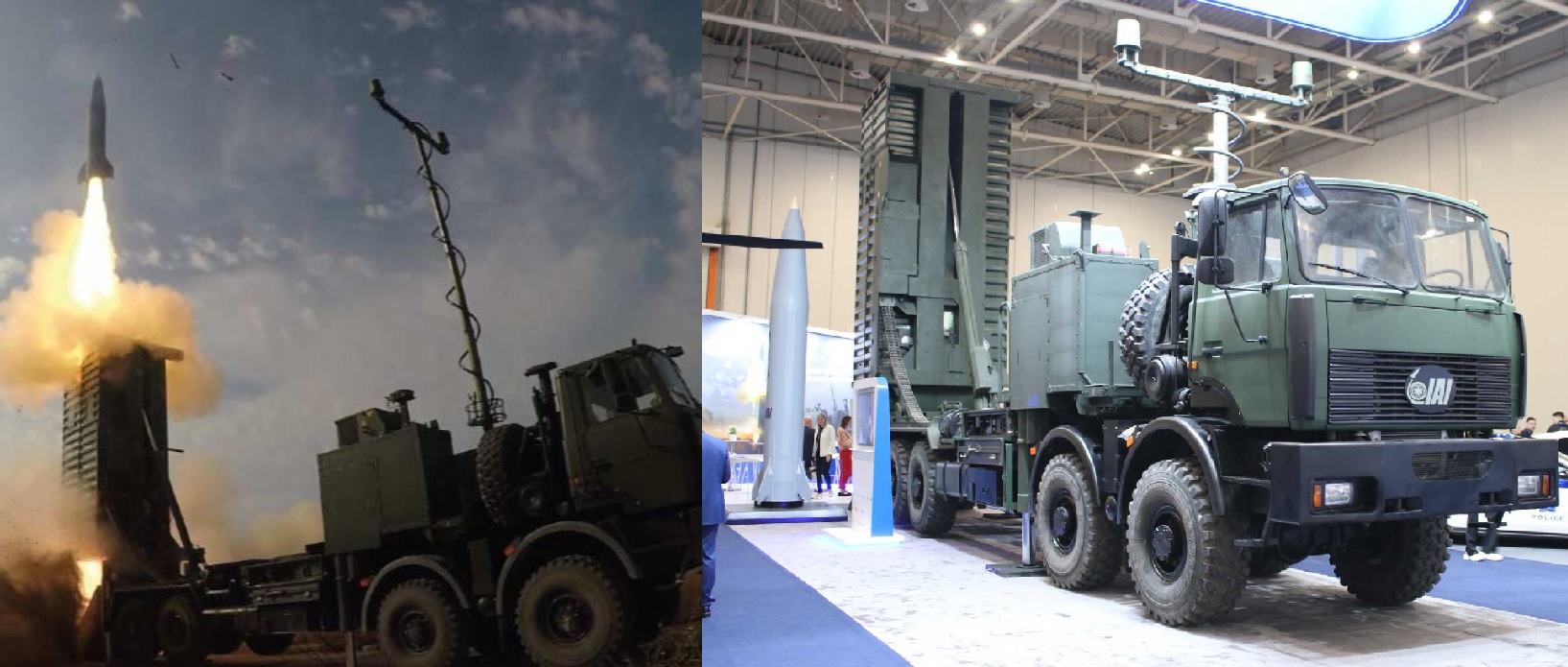
The LORA missile, developed by Israel Aerospace Industries, is designed for deep-strike missions with an operational range of 90 to 430 kilometres. From island-based launch positions, the system would allow Greece to cover large parts of the Aegean Sea and extend its strike reach well into the Eastern Mediterranean, depending on deployment geometry and targeting doctrine.
LORA is a road-mobile system, typically mounted on a 16-ton flatbed truck, and employs sealed launch canisters that enable rapid “shoot-and-scoot” operations. The launcher provides full 360-degree engagement capability, allowing missiles to be fired in any direction without repositioning—an important survivability feature against counter-strikes.
Guidance is provided through a combined inertial navigation system with satellite updates, delivering a reported circular error probable (CEP) of approximately 10 metres. This level of accuracy places LORA firmly in the category of precision strike weapons, suitable for engaging hardened military infrastructure, command centres, and other high-value targets.
Island-Based Deterrence And Operational Flexibility
Planned deployment across major Aegean islands reflects a broader shift in Greek military thinking. Islands are increasingly viewed not only as defensive bastions but as forward-based strike platforms, forming part of a layered network that includes air defence, anti-ship missiles, and long-range land-attack systems.
Dispersed LORA batteries would complicate adversary targeting, reduce vulnerability to pre-emptive attacks, and preserve Greece’s ability to conduct retaliatory precision strikes even under sustained pressure. Defence sources indicate that both the Hellenic Army and the Hellenic Air Force are expected to participate in operating and targeting the system, suggesting a joint command-and-control structure.
Strategic Context In The Eastern Mediterranean
The acquisition comes amid a period of accelerated military modernisation across the Eastern Mediterranean, particularly in the fields of missiles, long-range artillery, and unmanned systems. Greek defence planners argue that land-based precision strike weapons are critical for countering threats to air bases, ports, logistics hubs, and critical national infrastructure.
The LORA programme also highlights the deepening defence partnership between Greece and Israel, which already includes training cooperation, intelligence sharing, and multiple procurement projects. Within Athens’ wider plan to invest approximately €28 billion through 2036 in defence modernisation, the missile acquisition represents a key pillar of long-term deterrence strategy.
Timeline And Outlook
Although the exact number of launchers and missiles has not been publicly confirmed, defence sources indicate that initial deliveries are expected from 2026, with deployments phased alongside upgrades to island infrastructure, sensor networks, and command systems.
Once operational, the LORA ballistic missile system is expected to become one of the most consequential additions to Greece’s land-based strike arsenal in decades—enhancing its strategic reach, reinforcing Aegean and Eastern Mediterranean deterrence, and signalling Athens’ intent to adapt decisively to a rapidly evolving regional security environment.
✍️ This article is written by the team of The Defense News.