Government Approves Negotiations for ₹70,000 Crore Indigenous Submarine Project, MDL to Begin Talks
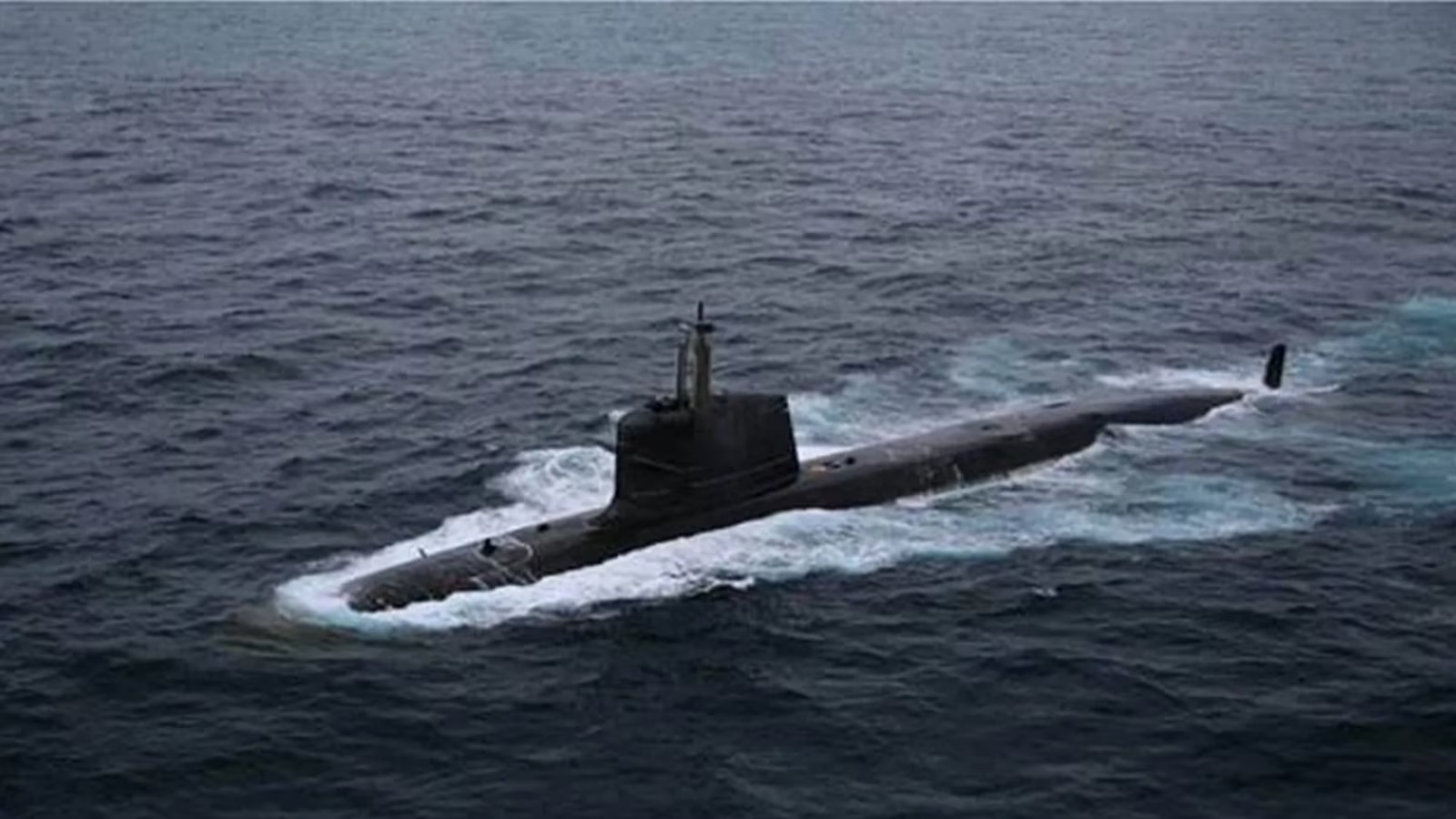
New Delhi, August 2025 – After being on hold for over six months, the Government of India has given the green signal to the Defence Ministry and Mazagon Dock Shipbuilders Limited (MDL) to begin formal negotiations for the long-awaited Project 75 India (P-75I) submarine deal. The landmark project will see the construction of six advanced conventional submarines in India with the support of German shipbuilder ThyssenKrupp Marine Systems (TKMS).
India’s Largest Conventional Submarine Project
Valued at an estimated ₹45,000 crore, Project 75(I) is set to be the largest-ever conventional submarine acquisition in India’s history. The deal was initially cleared in January 2025, with MDL selected as the Indian shipyard partner and TKMS chosen as the foreign technology collaborator.
The submarines will feature the German-designed Air Independent Propulsion (AIP) system, which enables them to remain submerged for nearly three weeks without surfacing. This provides a massive operational advantage in stealth, endurance, and survivability against modern anti-submarine warfare tactics.
Negotiations to Begin This Month
Defence officials confirmed that the Centre’s clearance came after a high-level strategic meeting involving senior defence, naval, and national security leaders. Negotiations between MDL, the Defence Ministry, and TKMS are expected to begin by the end of this month, with officials hopeful of finalising the contract within the next six months.
Once signed, this project will not only strengthen India’s submarine fleet but also help build indigenous design and manufacturing capability in undersea warfare platforms.
Urgency in Fleet Renewal
The Indian Navy currently operates 16 conventional submarines, many of which are ageing. Nearly 10 submarines are set to be retired within the next decade, creating an urgent need for replacements. With Chinese naval expansion and Pakistan’s pursuit of advanced submarines, the Indian Navy considers P-75I a top priority to maintain undersea deterrence in the Indian Ocean Region.
The Navy’s requirement is for a minimum of 24 conventional submarines, as outlined in its 30-year Submarine Building Plan. However, the program has faced repeated delays, making the timely execution of P-75I critical.
Boost to Atmanirbhar Bharat
While Germany will provide critical AIP technology and design expertise, the submarines will be built in India at MDL, ensuring major participation of the domestic industry. The project is expected to involve hundreds of Indian suppliers, generating significant employment and advancing the government’s Atmanirbhar Bharat (self-reliant India) initiative.
Parallel Nuclear Submarine Program
In addition to P-75I, India is also investing in its nuclear submarine program. Work is underway on at least two nuclear-powered attack submarines (SSNs), with private sector giant Larsen & Toubro playing a major role alongside the Navy’s Submarine Design Bureau and the Ship Building Centre in Visakhapatnam. Nuclear-powered boats will complement the conventional fleet by offering unlimited endurance and greater strike capability.
Strategic Context
China’s rapid naval modernisation—particularly the expansion of its submarine arm—has raised serious concerns in New Delhi. With over 60 submarines in the PLA Navy, including advanced nuclear attack and ballistic missile submarines, China poses a growing challenge in the Indo-Pacific. Meanwhile, Pakistan is on track to receive eight Yuan-class AIP submarines from China by the end of this decade.
Against this backdrop, Project 75(I) and the parallel SSN program are critical to ensuring that India retains credible undersea dominance.
The Road Ahead
If negotiations proceed as planned, the first of the six new submarines could join the Indian Navy by the early 2030s. By then, India is expected to have a balanced undersea fleet composed of:
-
Nuclear ballistic missile submarines (SSBNs) for strategic deterrence,
-
Nuclear attack submarines (SSNs) for sea control and escort roles, and
-
Conventional AIP-powered submarines for coastal defense and sea denial missions.
The clearance for negotiations on Project 75(I) is a crucial turning point for India’s submarine program. By combining German technology with Indian shipbuilding, the project will not only modernise the Navy’s fleet but also elevate India into the league of nations with advanced indigenous submarine-building capabilities.
With ageing platforms set to retire and regional threats intensifying, the timely execution of this mega-deal will be essential to safeguard India’s maritime interests in the Indo-Pacific.
✍️ This article is written by the team of The Defense News.