Germany–India in Talks for $8 Billion Submarine Pact With Landmark Technology Transfer
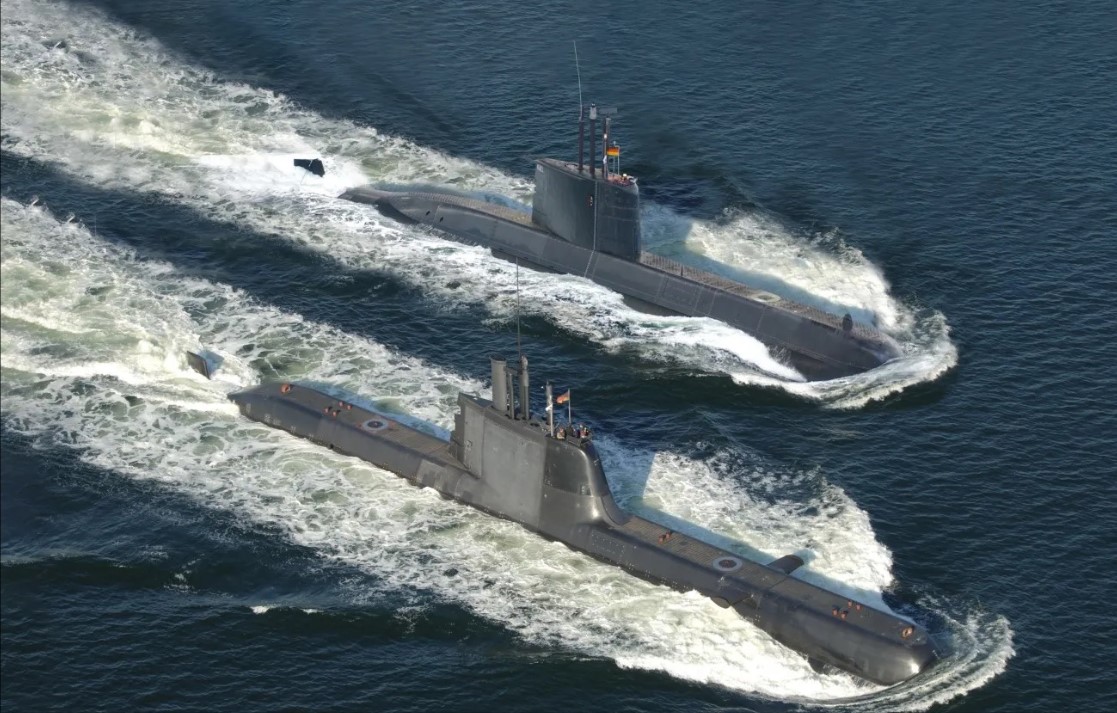
Berlin / New Delhi : Germany and India are finalising the contours of a submarine manufacturing agreement valued at no less than $8 billion, a deal that would mark the largest defence contract ever undertaken by New Delhi and fundamentally reshape India’s undersea warfare capabilities, according to officials familiar with the negotiations.
The proposed agreement, concluded ahead of German Chancellor Friedrich Merz’s first official visit to India next week, would for the first time include full technology transfer for submarine construction, enabling India to locally manufacture one of the most complex naval platforms in the world.
Strategic Shift in India’s Submarine Programme
India’s Navy currently operates around a dozen ageing Russian-origin submarines alongside six newer French-built Scorpène-class boats. Officials said that if the German deal proceeds, New Delhi is likely to cancel plans to acquire three additional French submarines, signalling a strategic pivot toward Germany as a long-term partner for undersea warfare.
Under the proposed arrangement, Thyssenkrupp Marine Systems GmbH will partner with Mazagon Dock Shipbuilders Ltd., India’s premier submarine construction yard, to manufacture the vessels domestically. Production is expected to take place entirely in India, aligning with New Delhi’s push to localise defence manufacturing.
Submarine Design and Capabilities on Offer
Germany is offering a next-generation conventional submarine design derived from its proven Type-214 family, tailored to Indian naval requirements. The boats will be equipped with advanced Air-Independent Propulsion (AIP) systems, allowing them to remain submerged for two to three weeks without surfacing, a critical advantage over traditional diesel-electric submarines.
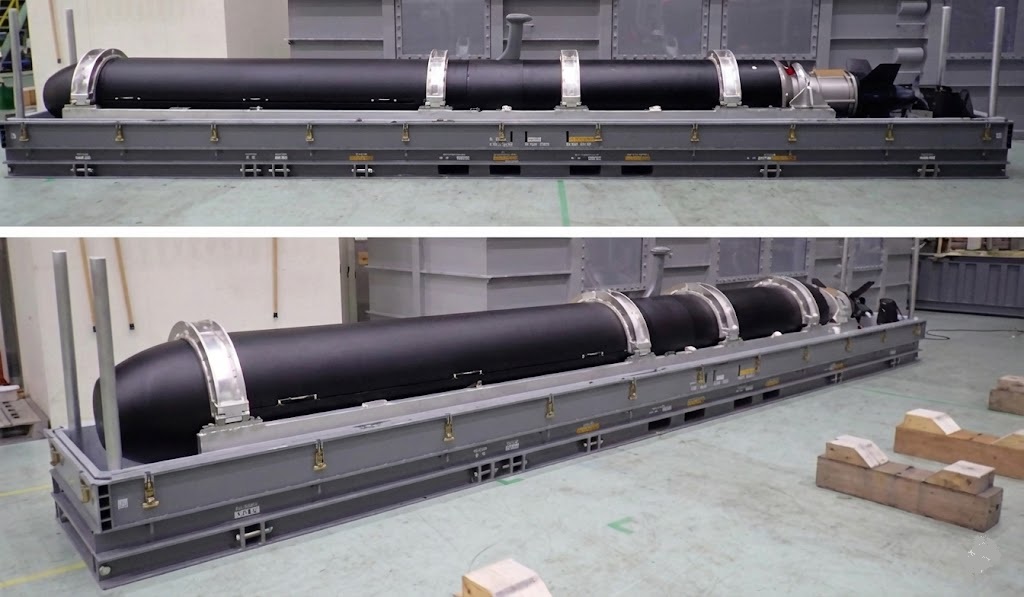
The submarines are expected to feature displacement in the 1,800–2,000-ton class, a crew of about 30–35 sailors, and six 533 mm torpedo tubes capable of launching heavyweight torpedoes, anti-ship missiles, and naval mines. The platform will integrate low-acoustic signatures, advanced sonar suites, electronic warfare systems, and network-centric combat management systems, enabling seamless integration with India’s existing naval assets.
Indian officials said New Delhi is seeking full access to hull design, propulsion architecture, combat systems integration, and lifecycle maintenance know-how, ensuring the Navy can independently upgrade and sustain the submarines over their four-decade service life.
Boost to Indian Ocean Deterrence
The new submarines would significantly enhance India’s ability to monitor and control vast stretches of the Indian Ocean, at a time when China is expanding its naval presence across critical sea lanes. With extended underwater endurance and stealth, the German-designed boats would strengthen India’s deterrence posture against both regional and extra-regional powers.
Merz Visit Anchors Broader Strategic Ties
Chancellor Merz will meet Narendra Modi in Gujarat on Monday before travelling to Bengaluru, India’s technology hub, where he is scheduled to interact with German companies operating in the country. German officials said the visit will also focus on expanding cooperation in pharmaceuticals, advanced manufacturing, and defence technologies.
Merz is travelling with a large delegation of German chief executives on his maiden overseas tour and is expected to follow up with a separate business-focused visit to China in the coming weeks.
Reducing Reliance on Russian Arms
India has aggressively encouraged foreign defence firms to shift production and share technology since the Modi government blocked imports of most major weapons platforms in 2020. Despite these efforts, India remains the world’s second-largest arms importer, sourcing the bulk of its equipment from Russia, according to Stockholm International Peace Research Institute.
Germany’s willingness to transfer submarine technology reflects a broader shift in Berlin’s defence posture following Russia’s invasion of Ukraine and is also aimed at diversifying India’s military supply chain away from Moscow, officials said.
Official Silence, High Strategic Stakes
A spokesperson for Thyssenkrupp Marine Systems declined to comment, while India’s Ministry of Defence and Ministry of External Affairs did not immediately respond to requests for clarification. Nevertheless, officials on both sides described the negotiations as advanced and politically backed, underscoring the strategic importance of the deal.
If concluded, the agreement would not only modernise India’s submarine fleet but also establish the country as a regional hub for advanced submarine construction, marking a decisive step in the deepening defence partnership between Berlin and New Delhi.
About the Author
Aditya Kumar:
Defense & Geopolitics Analyst
Aditya Kumar tracks military developments in South Asia, specializing in Indian missile technology and naval strategy.