Germany Unveils Ambitious Plan to Induct Over 8,000 Military Drones by 2029
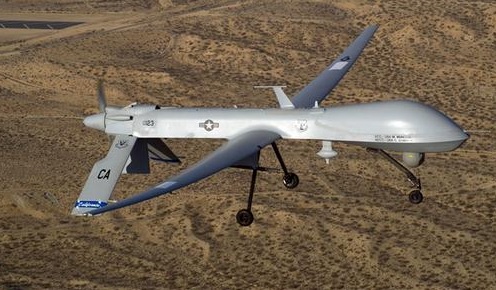
Germany’s armed forces are preparing for one of the most significant technological transformations in their modern history, unveiling an ambitious plan to expand the Bundeswehr’s unmanned aerial systems (UAS) inventory from just over 600 today to more than 8,000 by 2029. The move signals a decisive shift toward making drones a core element of future combat, reconnaissance, and support operations, reflecting lessons learned from recent conflicts where unmanned systems have become indispensable.
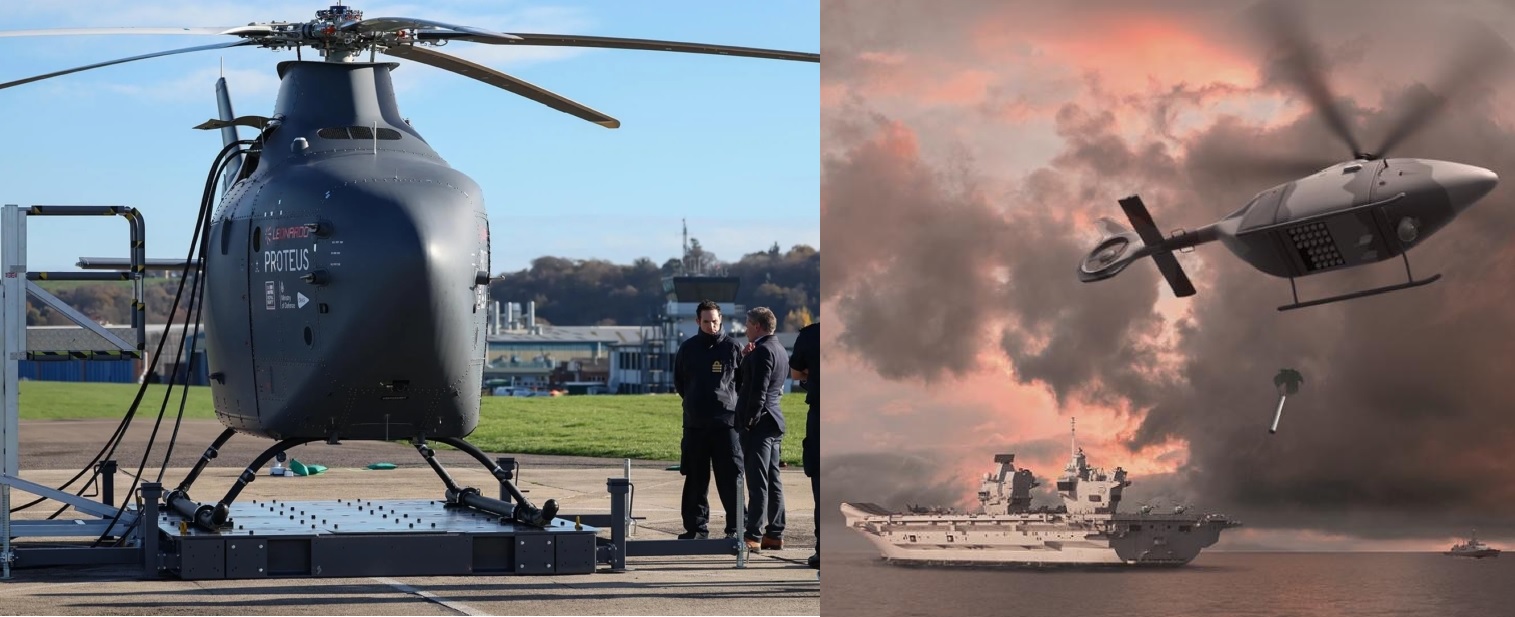
The planned expansion will span a wide range of platforms, from tiny nano-drones for close-quarter reconnaissance to loitering munitions capable of precision strikes. By 2029, Germany aims to not only have Europe’s most extensive and technologically advanced military drone fleet but also ensure these systems are upgraded continuously to keep pace with rapid advances in drone technology.
A Diverse Fleet for Modern Warfare
According to the internal planning framework, the Bundeswehr intends to acquire around 1,200 nano-drones designed for stealthy observation in urban areas, dense forests, or other complex terrains where traditional surveillance assets are less effective. These will be supported by more than 3,000 mini-UAS for short-range surveillance—likely successors to proven systems such as the ALADIN and FALKE, which have been key tools in past reconnaissance missions.
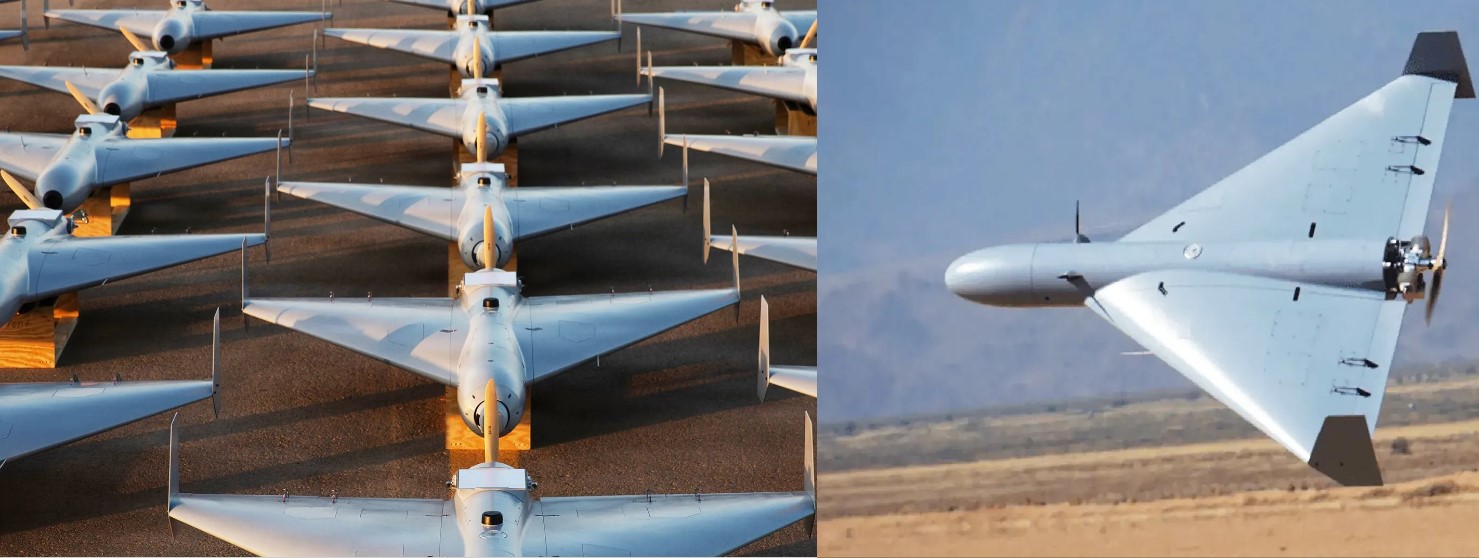
In addition, 800 communications relay drones will enhance battlefield connectivity, enabling secure and extended command-and-control links for dispersed units in fast-moving or contested environments. The program also includes loitering munitions, which combine surveillance and strike functions, allowing German forces to detect, track, and destroy targets with high precision—mirroring tactics seen in Ukraine and the Middle East.
A New Procurement Model
Defence Minister Boris Pistorius has confirmed that the program is anchored in a formalized drone strategy emphasizing flexible contracting, continuous procurement cycles, and the rapid integration of new technologies. Unlike traditional acquisition processes that can take years, this approach is designed to keep the Bundeswehr’s drone capabilities constantly modernized.
The plan also calls for an operational reserve equal to 20–40% of the fleet, ensuring that Germany can replace combat losses quickly, sustain high-tempo operations, and surge capacity during crises. While the budget for the program has not been disclosed, its scale suggests multi-year funding commitments and close cooperation with domestic and allied defense industries.
Strategic Implications
By 2029, the Bundeswehr’s drone force will be a game-changer for Germany’s military posture. Thousands of unmanned systems, integrated across multiple branches, will provide persistent surveillance coverage, faster target acquisition, and enhanced operational flexibility in both defensive and offensive missions.
The integration of loitering munitions also represents a shift toward autonomous precision strike capability, allowing Germany to respond quickly to emerging threats without relying solely on manned aircraft or artillery. This aligns with NATO’s evolving doctrine for distributed, network-enabled warfare, where drones serve as force multipliers for reconnaissance, logistics, and direct engagement.
Strengthening NATO’s Eastern Flank
Germany’s enhanced unmanned capabilities will have direct implications for NATO’s deterrence posture, especially along its eastern flank near Russia and Belarus. By combining a large-scale operational fleet with rapid replacement reserves, Berlin positions itself to respond effectively in high-intensity conflict scenarios while maintaining readiness for prolonged deployments.
Military analysts note that this program is not just about numbers—it’s about operational independence, technological adaptability, and resilience. By embedding drones deeply into its force structure, Germany is preparing for a battlefield environment where speed, situational awareness, and precision strikes define success.
✍️ This article is written by the team of The Defense News.