Germany Set to Acquire U.S. Typhon Missile Systems to Enhance European Long-Range Strike Capability
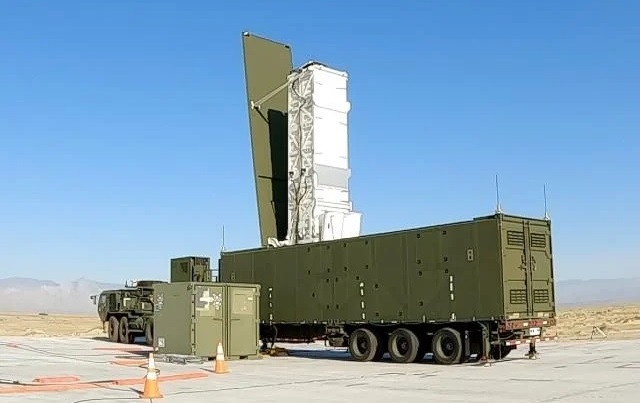
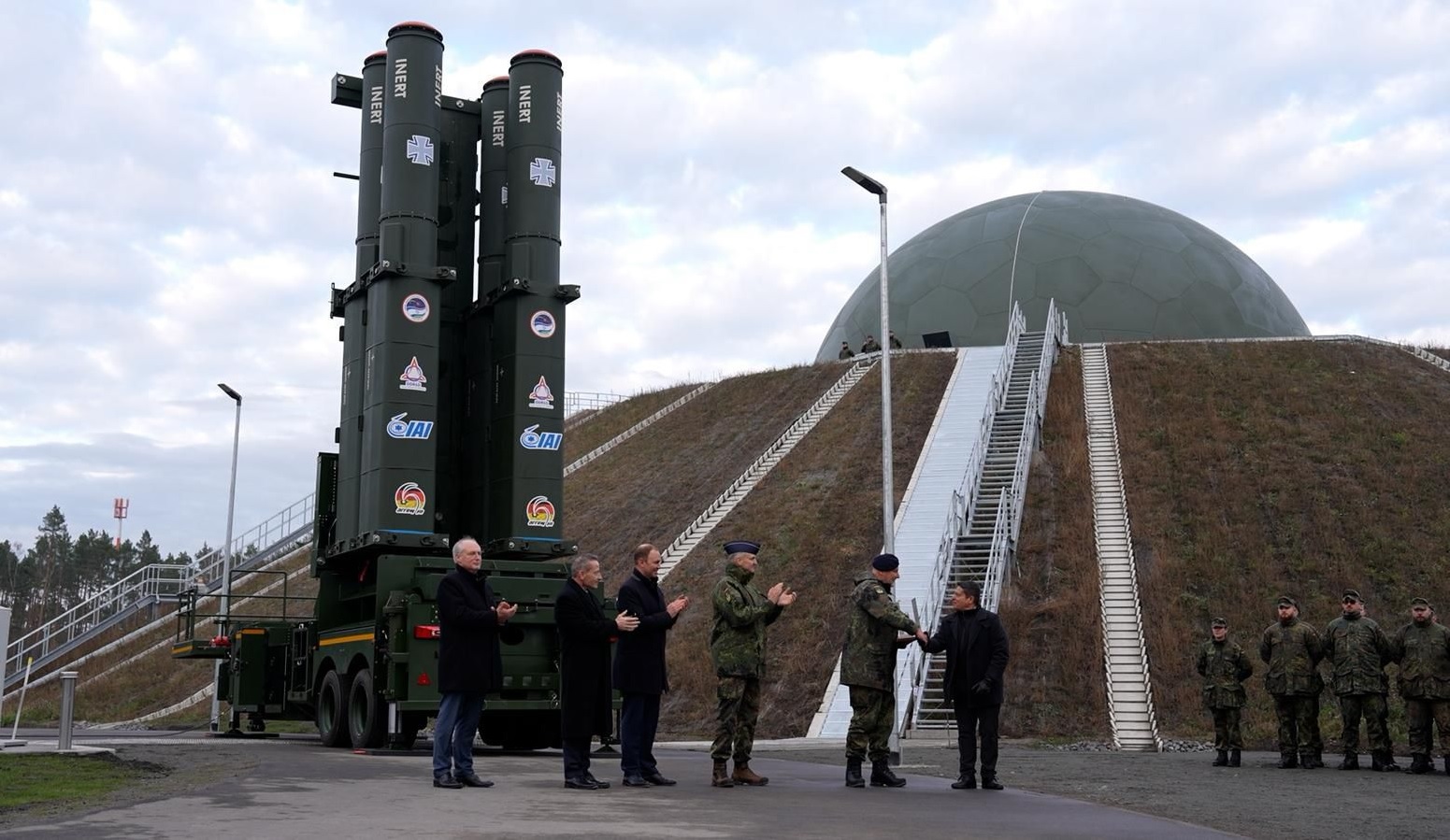
Germany has announced plans to acquire the U.S.-developed Typhon missile system, capable of striking targets up to 2,000 kilometres away. This decision comes amid rising tensions in Europe and renewed focus on long-range precision strike capability across NATO.
German Defence Minister Boris Pistorius made the announcement following high-level talks with U.S. Defence Secretary Pete Hegseth in Washington. Pistorius called the planned acquisition a “significant increase in Germany’s defence and deterrence capabilities,” adding that it would also enhance the broader security architecture of Europe.
The Typhon system, officially known as the Mid-Range Capability (MRC) program, is a relatively new addition to the U.S. Army’s arsenal. First operational in 2023, it is designed to fill the gap between short-range rocket artillery and long-range strategic missiles. The system is mounted on a mobile ground platform and integrates two powerful missile types:
-
Tomahawk cruise missiles, known for their long-range precision strike ability, with ranges exceeding 1,600 to 2,000 km.
-
SM-6 (Standard Missile-6) interceptors, which can be used for air defense, ballistic missile defense, and even offensive strikes.
With the Typhon system, Germany would be able to conduct deep-strike missions well beyond its borders, reaching as far as Eastern Europe or parts of western Russia, depending on deployment location. This would mark a strategic leap in German defense capabilities, especially considering the system's ability to strike from mobile launchers on land—a capability previously restricted under the now-defunct Intermediate-Range Nuclear Forces (INF) Treaty.
If finalized, this would be the first time a foreign nation has procured the Typhon system, highlighting Germany’s increasing role in NATO’s high-end military planning and rapid modernization drive. It also aligns with Germany’s broader commitment to increase defense spending and modernize its forces following Russia’s invasion of Ukraine.
The move comes as Germany continues to support Ukraine militarily. Pistorius confirmed ongoing discussions regarding the delivery of additional Patriot air defense systems to Ukraine. He stated that around €2 billion is earmarked for this effort, though technical, financial, and logistical details still need resolution before final commitments are made.
Beyond its immediate military value, the Typhon system signals a stronger U.S.-Germany defense partnership and a shift in NATO doctrine toward greater strike flexibility and deterrence in the face of modern threats. The final acquisition will depend on further negotiations and technical assessments, but Germany’s intent is clear: it wants to be better prepared, better armed, and more strategically capable in the evolving European security landscape.
✍️ This article is written by the team of The Defense News.