Germany Seeks More Arrow 3 Missiles and Expanded Heron TP Deal From Israel as Russian Threat Grows
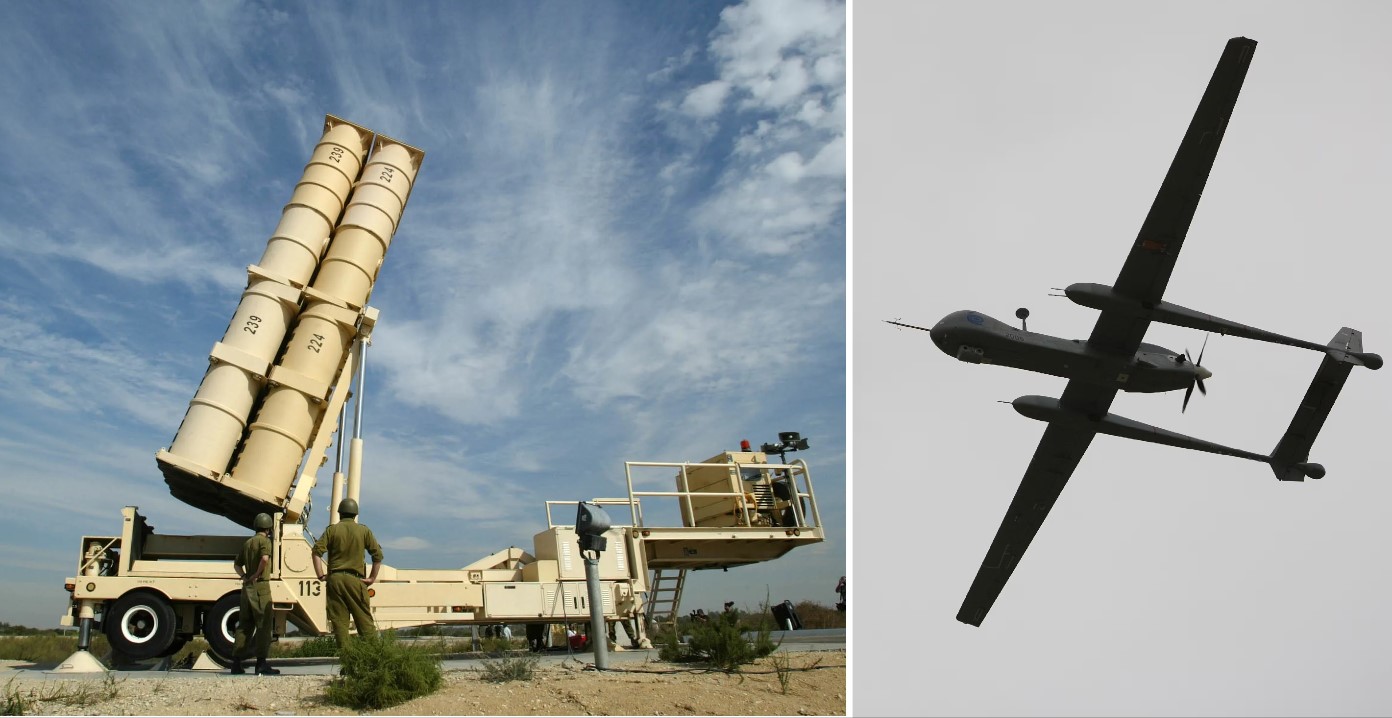
Germany is negotiating with Israel Aerospace Industries (IAI) to buy more Arrow 3 interceptor missiles and to extend its Heron TP drone agreement, as Berlin accelerates efforts to strengthen air and missile defence against Russia, according to reporting by Globes and European defence outlets.
These talks come as Germany prepares to declare its Arrow 3 system operational, following a 2023 contract worth about $3.5 billion (nearly €4 billion) – the largest defence export deal in Israel’s history.
Arrow 3: Germany Wants More Interceptors for a Regional Shield
Germany’s initial Arrow 3 package, approved by the United States in 2023, covers three Arrow 3 batteries as part of the European Sky Shield Initiative (ESSI), a 24-nation project to build a layered air and missile defence network across Europe.
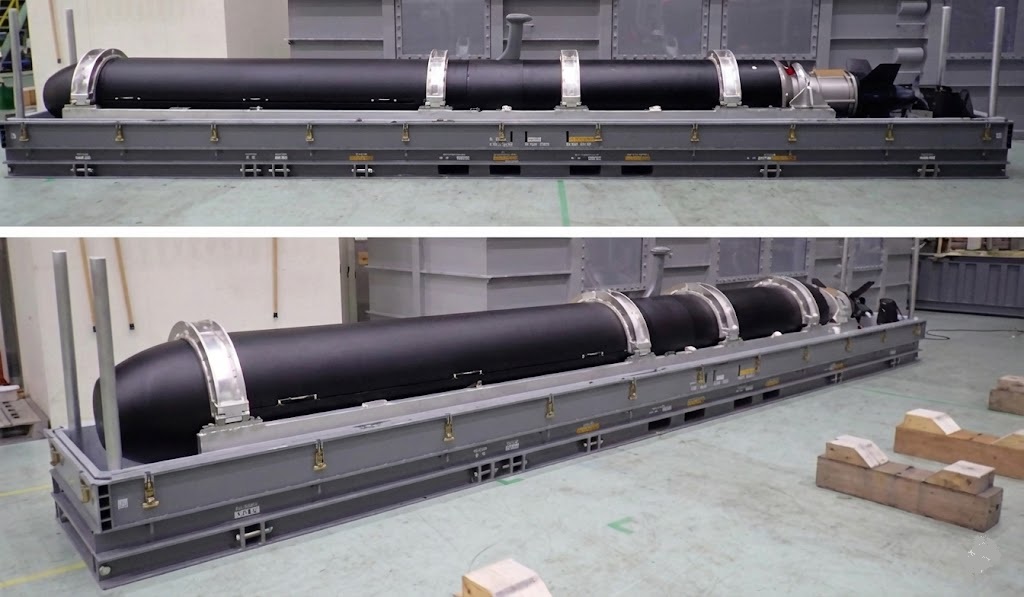
Arrow 3 is designed to intercept ballistic missiles outside the atmosphere, forming the top tier of Israel’s multi-layered defence architecture above systems like David’s Sling and Iron Dome. Each interceptor is estimated to cost around $2 million, making it the most expensive missile in Israel’s defensive arsenal.
According to the Globes report, Berlin fears its current stock of Arrow 3 interceptors is too small for a serious crisis with Russia. German planners worry that a sustained missile campaign would quickly deplete existing stocks, leaving gaps in Germany’s own defences and in the wider ESSI shield protecting much of central and northern Europe.
The urgency is reinforced by the deteriorating security picture on NATO’s eastern flank. Polish army chief of staff Gen. Wiesław Kukula recently warned that Russia has “begun the phase of preparing for war” with Poland, describing Russian activity as building conditions for potential aggression on Polish territory.
Follow-On Deals: A Pattern in IAI’s Export Strategy
IAI’s push for follow-on Arrow 3 sales fits a familiar pattern. In 2017, India signed a $1.6 billion contract for Barak 8 air defence systems, then just a month later ordered the naval version of the interceptor in a second deal worth about $630 million.
The German negotiations come during a boom period for Israeli defence exports:
-
Elbit Systems recently secured a $2.3 billion contract with an undisclosed customer.
-
IAI’s order backlog has reached a record $25 billion, driven by high demand for missile defence, UAVs and radar systems.
-
The Arrow 3 sale to Germany, valued at around $3.5 billion, remains Israel’s single largest defence export deal.
Heron TP: Germany Weighs Extension and New Purchases
The second track of the talks focuses on Germany’s long-running use of the Heron TP unmanned aircraft.
Since January 2019, German operators have trained and flown from the “Red Baron” squadron at Tel Nof air base in Israel under a nine-year, €900 million agreement. The package includes:Lease of seven Heron TP drones
-
About €170 million earmarked for airport and airspace usage
-
Training, maintenance and technical support embedded in the Israeli Air Force
The agreement is now entering its seventh year, forcing Berlin to decide whether to extend, expand or restructure the arrangement. A senior defence official quoted by Globes said it is hard to imagine Germany walking away from Heron TP, given the platform’s operational track record and the substantial investment in German crews and infrastructure.
Separately, Bloomberg reported that Germany intends to acquire three additional Heron TP drones for roughly €1 billion, a plan that remains under negotiation and requires approval from the Bundestag budget committee. Follow-up reporting suggests that the bundle combines the purchase of three airframes (around €630 million) with about €300 million in operating costs over five years, potentially expanding the German Heron TP fleet and gradually shifting from pure leasing to mixed lease-and-ownership models.
Gaza Ceasefire and the Lifting of a Partial Arms Embargo
The current ceasefire in Gaza has eased political pressure on German–Israeli defence cooperation. According to Globes, this is visible in Berlin’s decision to lift a partial arms embargo imposed on 8 August by Chancellor Friedrich Merz, a restriction that had slowed some approvals earlier in the conflict.
With the embargo lifted, German ministries and parliamentary committees face fewer political obstacles when reviewing new Arrow 3 interceptor orders and Heron TP procurement packages.
Germany’s Role as a Key Israeli Defence Partner
Data from the Stockholm International Peace Research Institute (SIPRI) indicate that between 2020 and 2024, Germany accounted for about 33% of Israel’s arms imports, second only to the United States at 66%.
Parallel figures from SIBAT, Israel’s defence export authority, show that:
-
Israeli defence exports reached a record $14.795 billion in 2024, an 11.7% increase over 2023
-
Europe’s share of Israeli arms exports jumped from 35% to 54%, reflecting rapid rearmament and air-defence investments across the continent
Within that surge, Germany stands out both as a flagship Arrow 3 customer and a major UAV client through Heron TP.
The €377 Billion Question: Germany’s Long-Term Procurement Plan
Your original text mentioned that Germany’s 2026 defence procurement plans total €377 billion, with €437 billion in overall spending. That wording makes it sound like a single-year budget, which is misleading.
What the leaked Politico documents and follow-on reporting actually show is:
-
€377 billion is the scale of long-term procurement projects laid out in a 39-page planning document tied to the 2026 budget cycle, not a one-year spend.
-
In dollar terms, that procurement wishlist equates to about $438 billion.
-
Germany’s annual defence budget for 2026 is projected at around €117 billion, roughly 2.8% of GDP, with extra flexibility provided by special funds and loosened debt rules.
So the numbers are broadly right, but they describe multi-year procurement planning, not a single-year 2026 budget line.
Even a small slice of that €377 billion going towards Israeli systems—additional Arrow 3 interceptors, more Heron TP drones, and potentially future Arrow 4 purchases now under discussion—would translate into multi-billion-euro revenue for Israel’s defence industry.
Strategic Impact: Beyond Bilateral Trade
If Germany finalises the new Arrow 3 and Heron TP agreements, the impact will go far beyond a simple buyer–seller relationship. These acquisitions would significantly strengthen Germany’s exo-atmospheric missile shield, giving Berlin and its ESSI partners far greater confidence against the evolving Russian ballistic-missile threat. They would also deepen the Bundeswehr’s operational integration with Israel’s highly advanced air- and missile-defence ecosystem, especially in areas such as training, doctrine development, and real-time data-sharing. Most importantly, the deals would reinforce Europe’s accelerating shift toward Israeli high-end defence technologies, placing systems like Arrow 3 alongside American platforms such as Patriot and THAAD as core pillars of the continent’s future air-defence architecture.
About the Author
Aditya Kumar:
Defense & Geopolitics Analyst
Aditya Kumar tracks military developments in South Asia, specializing in Indian missile technology and naval strategy.