Germany Receives First P-8A Poseidon for Maritime Patrol Fleet From Boeing
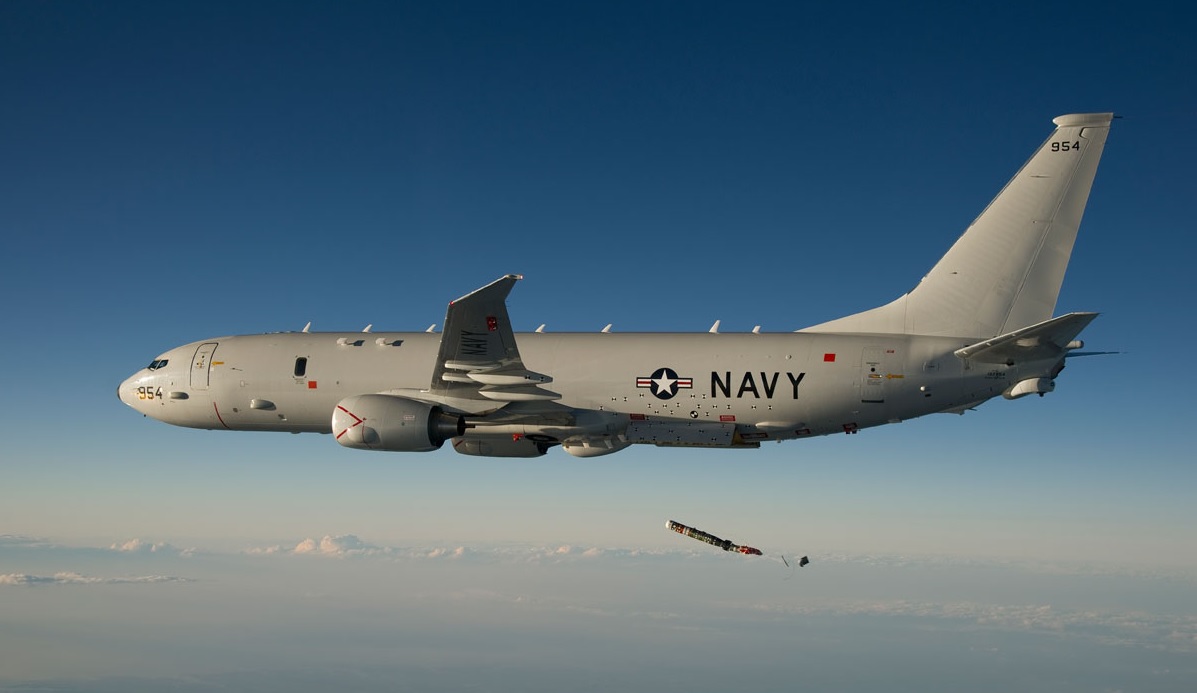
On 2 October 2025, Boeing formally handed over the first P-8A Poseidon maritime patrol aircraft ordered by Germany. The delivery took place at the company’s facility in Seattle, with the aircraft already carrying German military markings and registered as 63+01. Though transferred initially to the United States Department of Defense under the Foreign Military Sales (FMS) arrangement, the aircraft is scheduled to reach its new home at Nordholz Air Base in the coming days, where it will join the German Naval Air Command.
Modernisation of the German Fleet
Germany is acquiring a total of eight Poseidons, which will replace the aging P-3C Orion fleet that has served the Navy since the 2000s. At one time, Germany operated eight Orions, but most of them have already been retired or sold, with only a couple still available in service until the Poseidons arrive. The delivery of the first aircraft is therefore seen as a significant step in restoring Germany’s full maritime patrol and anti-submarine warfare capability.
Order and Delivery Timeline
The programme began in June 2021, when Germany contracted for five P-8A Poseidons. In November 2023, the government approved the purchase of three more, bringing the total order to eight aircraft. The combined procurement is valued at around €2.5 billion, with the first five costing approximately €1.43 billion and the later three around €1.1 billion. These figures also cover associated support equipment, simulators, and training systems.
The aircraft are scheduled for delivery between 2025 and 2028, depending on production timelines and fitting out. The first aircraft had its maiden flight in early 2025 after being painted and fitted with its systems, and it was expected to be transferred to Germany by late summer before its official handover in October.
P-8A Poseidon Capabilities
The Poseidon is based on the Boeing 737-800 airframe, heavily modified for maritime patrol and reconnaissance missions. It is designed for anti-submarine warfare, anti-surface warfare, surveillance, and search and rescue operations.
Key specifications include:
-
Length: 39.5 metres
-
Wingspan: 37.6 metres
-
Height: 12.8 metres
-
Engines: Two CFM56-7B turbofans, each producing about 27,300 pounds of thrust
-
Maximum speed: Around 490 knots (907 km/h)
-
Service ceiling: About 41,000 feet (12,500 m)
-
Crew: Typically nine, including pilots and mission specialists
The Poseidon carries advanced systems such as the AN/APY-10 multi-mode radar, electronic support measures, acoustic sensors for submarine detection, and a large sonobuoy capacity. It can deploy Mark 54 lightweight torpedoes, anti-ship missiles such as the Harpoon, naval mines, and depth charges, making it one of the most capable maritime patrol platforms in service today.
Germany is the most recent European country to receive the P-8A, joining the United Kingdom and Norway as operators, with Denmark also planning to purchase four units. Discussions are ongoing in Germany about acquiring four additional Poseidons, which could eventually raise the fleet size to twelve.
In the longer term, Germany remains a partner in the Maritime Airborne Warfare System (MAWS) programme with France, aimed at developing a new generation of maritime patrol aircraft by the mid-2030s. Until that system becomes available, the Poseidon fleet will fill the gap, providing a proven capability for NATO maritime operations.
About the Author
Aditya Kumar:
Defense & Geopolitics Analyst
Aditya Kumar tracks military developments in South Asia, specializing in Indian missile technology and naval strategy.