Germany Delivers New Air Defence Systems as UK Unveils £600m Military Aid for Ukraine at Ramstein
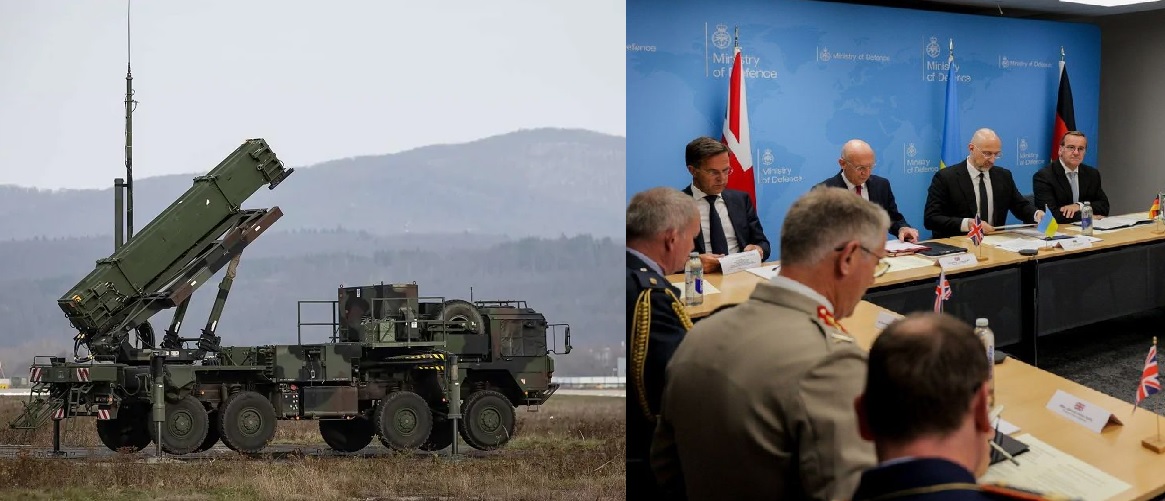
Western allies agreed on a new wave of military support for Ukraine at the latest meeting of the Ukraine Defence Contact Group, held in the Ramstein format on 16 December 2025. Germany confirmed the delivery of additional air defence systems, while the United Kingdom announced its largest single-year military aid package for Kyiv, placing air defence at the centre of allied efforts as Russia continues missile and drone attacks.
Germany Expands Air Defence Deliveries
Germany announced that it has transferred three more air defence systems to Ukraine, further strengthening Kyiv’s ability to protect its airspace. German Defence Minister Boris Pistorius confirmed that Ukraine has now received two Patriot air defence systems promised earlier this year, along with a ninth IRIS-T system.
The Patriot systems provide long-range protection against ballistic and cruise missiles, while the IRIS-T is designed to counter aircraft, missiles and drones at medium range. Together, they form a key part of Ukraine’s layered air defence network, which has faced increasing strain amid sustained Russian aerial attacks on cities and critical infrastructure.
In addition to the systems, Germany will deliver a “significant number” of AIM-9 Sidewinder missiles. While originally developed as air-to-air weapons, the missiles can be used in ground-based air defence roles and are particularly effective against low-flying targets such as drones and helicopters.
Berlin has steadily increased its military support for Ukraine since the start of the full-scale war, emerging as one of Kyiv’s most important European partners in air defence.
UK Announces Record £600 Million Support Package
The United Kingdom used the Ramstein meeting to announce a £600 million military aid package for Ukraine, the largest single-year investment London has committed since the war began. British Defence Secretary John Healey said the funding will be used to supply thousands of air defence systems, missiles, and automated turrets designed to shoot down drones.
According to the UK Ministry of Defence, the equipment will be delivered on a rolling basis through 2026, reflecting a shift toward sustained, long-term support rather than short-term emergency deliveries. British officials said the package is aimed at countering the growing use of mass drone attacks, including Iranian-designed Shahed drones, which have been widely used against Ukraine’s energy and transport infrastructure.
The announcement reinforces the UK’s position as one of Ukraine’s most consistent military backers, following earlier deliveries of artillery, armoured vehicles, and long-range strike weapons.
Ukraine Outlines 2026 Defence Needs
Speaking at the meeting, Ukrainian Defence Minister Denys Shmyhal highlighted the scale of Ukraine’s future defence requirements. He said Kyiv estimates it will need around $120 billion for defence spending in 2026.
According to Shmyhal, Ukraine expects to cover roughly half of the amount through domestic resources, while the remaining funding will need to come from international partners. He stressed that predictable, multi-year commitments are essential for planning weapons procurement, training, and domestic defence production.
Air Defence Remains Central to Ramstein Talks
The latest Ramstein meeting once again underscored air defence as Ukraine’s most urgent military priority. While Ukraine has improved its interception rates, the volume and frequency of Russian missile and drone attacks continue to test available systems and ammunition.
The new commitments from Germany and the United Kingdom reflect a broader recognition among Western allies that protecting Ukrainian airspace is critical not only for military operations, but also for safeguarding civilians, maintaining energy supplies, and preserving economic stability.
As deliveries begin and longer-term funding plans take shape, the outcomes of the 16 December Ramstein meeting signal continued Western resolve to support Ukraine in what remains a prolonged and resource-intensive conflict.
✍️ This article is written by the team of The Defense News.