Germany Approves New Law to Speed Up Defense Purchases and Military Projects
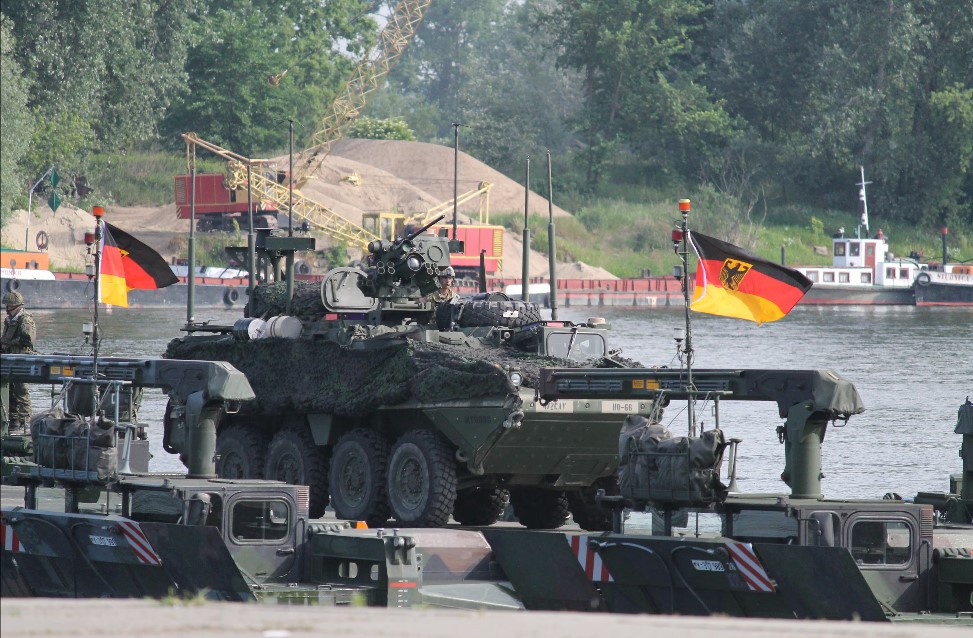
Germany is taking big steps to make its military stronger—and faster. The government has just approved a new draft law designed to speed up defense procurement and construction projects, a move seen as crucial given the growing threats on Europe’s eastern borders.
Under this proposed law, Germany will ease or skip lengthy bidding rules for military contracts, especially in urgent cases. This means big defense deals won’t need to be split into smaller contracts anymore—a process that often causes delays. The rules around how much can be spent before triggering a formal procurement process are also being relaxed. For example, the current threshold of €15,000 ($16,685) will rise to €50,000 ($58,685). For construction work, the cap will jump to €1 million ($1.1 million), and for other goods and services, to €443,000 ($519,173).
These changes are expected to be in place for 10 years, giving Germany a long runway to build up its military infrastructure and capabilities.
German Defense Minister Boris Pistorius said the changes are long overdue. “We are removing many of the constraints that have prevented us from moving even faster,” he explained. “We can now truly focus on what matters in the interests of the Bundeswehr’s defense capability and equipment.”
This move isn’t happening in isolation. Germany, along with many EU countries, is ramping up defense readiness as worries grow over Russia’s behavior and potential future conflicts. The new law fits in with broader efforts in Brussels to speed up military investments across Europe.
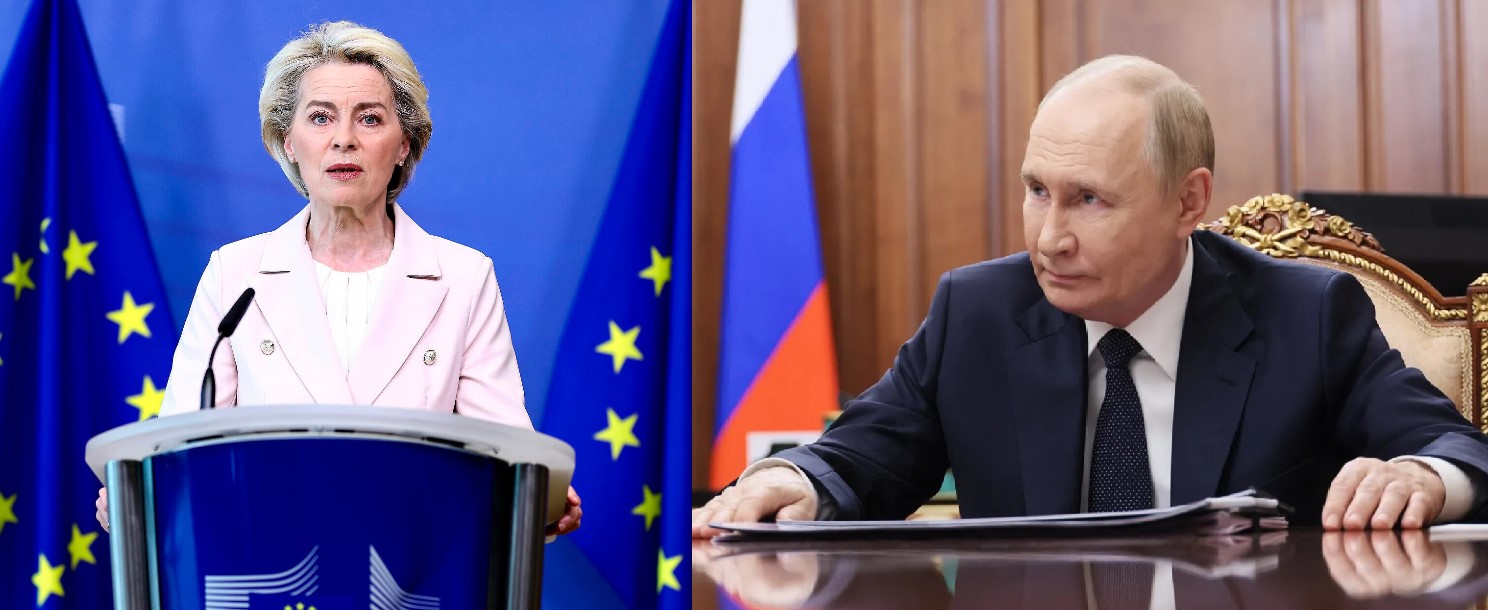
Just last month, the European Commission proposed new rules to cut approval times for defense projects from several years to just 60 days. It also wants each country to create special teams that would help defense companies navigate red tape. These changes are part of the “ReArm Europe” initiative, a bold plan announced by Commission President Ursula von der Leyen. The goal? Mobilize €800 billion ($841 billion) to boost Europe’s defense production and better coordinate efforts between member states.
In short, Germany’s new law is a direct response to today’s tense geopolitical climate. With Europe taking defense more seriously than it has in decades, Berlin wants to ensure it doesn’t get left behind—and that its armed forces are equipped, ready, and well-supported in the years ahead.
✍️ This article is written by the team of The Defense News.