Germany Activates Israel’s Arrow-3, Europe’s First Space-Shield Against Ballistic Missiles
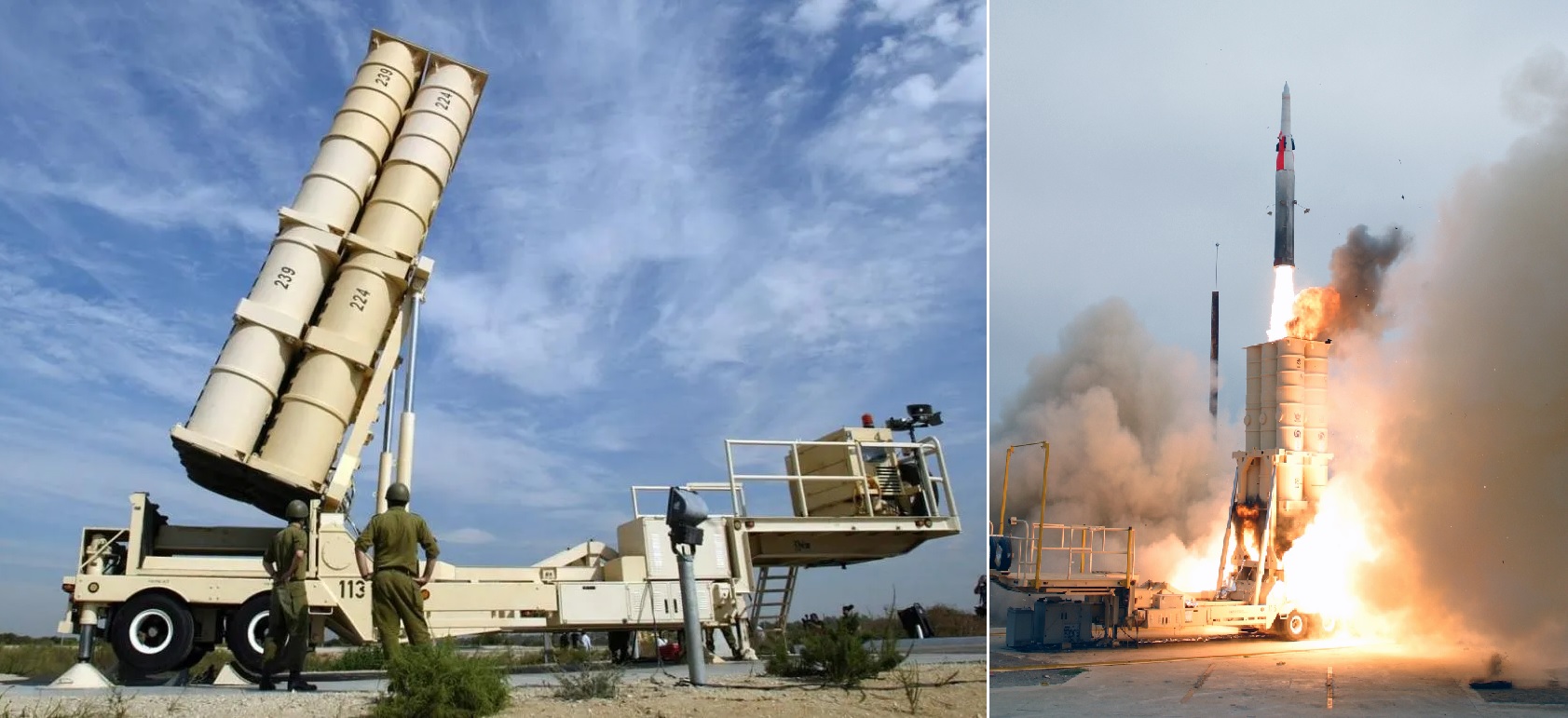
Germany is officially set to deploy the Israeli-supplied Arrow 3 missile defense system this year, marking the first time the system will be deployed outside Israel.
Under the landmark agreement signed in 2023, Germany procured the Arrow 3 system — a deal valued at about US $3.5 billion, the largest defense export in Israel’s history. The delivery timeline envisages the first operational battery becoming active in 2025, with full operational readiness targeted around 2030.
What Is Arrow 3 — Capabilities and Strategic Significance
Arrow 3 is a next-generation, exo-atmospheric anti-ballistic missile interceptor system, developed jointly by Israel Aerospace Industries (IAI) and Boeing, under oversight of the U.S. Missile Defense Agency.
It is designed to intercept long-range ballistic missiles — including potentially intercontinental ballistic missiles (ICBMs) — during their mid-course flight in space, before they re-enter Earth's atmosphere.
The system employs a "hit-to-kill" kinetic kill vehicle, colliding with the incoming missile to destroy it.
Technically, Arrow 3 features a two-stage, solid-fuel propulsion and can reach interception altitudes above 100 kilometres with a flight range of up to 2,400 km.
In addition to engaging traditional ballistic missile threats, Arrow 3 has also been described as having potential anti-satellite capabilities, making it one of the few systems globally that can threaten satellites in low orbit.
When combined with radar and battle-management systems — Arrow 3 can detect, track, and intercept multiple incoming missiles in a single salvo, offering a high-speed, high-altitude defensive umbrella.
Why Germany’s Move Matters — Strategic Context in Europe
The decision by Germany to acquire and deploy Arrow 3 reflects growing security concerns in Europe, especially in light of conflicts and missile threats emanating from global hotspots.
Within the framework of the European Sky Shield Initiative (ESSI) — Arrow 3 represents the uppermost, exo-atmospheric tier.
For Germany and its NATO allies, having Arrow 3 means the ability to counter not just short- or mid-range weapons, but also dangerous long-range ballistic missile threats — including those potentially carrying WMDs.
In doing so, Germany significantly strengthens its defensive posture beyond what traditional systems like Patriot PAC-3 can offer, which operate at lower altitudes.
Operational Implications and Path to Readiness
With arrival of the first Arrow 3 battery, Germany’s air-defense architecture will get a major upgrade.
Full operational capability, integrated with radars and battle-management systems, is projected by 2030.
In addition, Germany is reportedly negotiating to acquire the next-generation Arrow 4 system — indicating long-term plans to expand its missile defense capabilities.
Broader Significance — Missile Defence, Deterrence, and Geopolitics
The deployment of Arrow 3 in Germany is more than just a military upgrade — it signals a deeper shift in European defense strategy.
As missile threats grow more complex, exo-atmospheric interceptors like Arrow 3 redefine what modern air defense means in the 21st century.
For NATO and ESSI countries, such capabilities enhance deterrence: adversaries must now consider interception in space.
At the same time, deployment of such systems raises new strategic considerations, including concerns about escalation into anti-satellite warfare domains.
About the Author
Aditya Kumar:
Defense & Geopolitics Analyst
Aditya Kumar tracks military developments in South Asia, specializing in Indian missile technology and naval strategy.