General Dynamics Developing Ultra-Wideband Radome Technology for Future NGAD and CCA
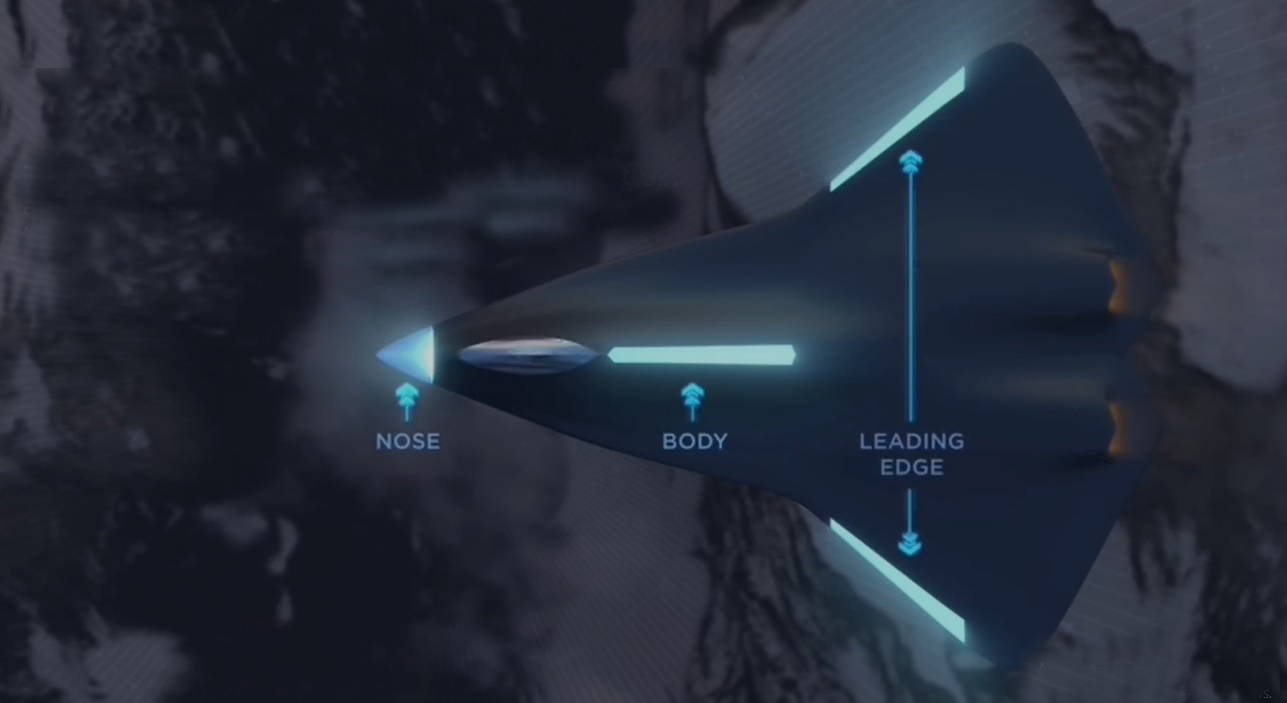
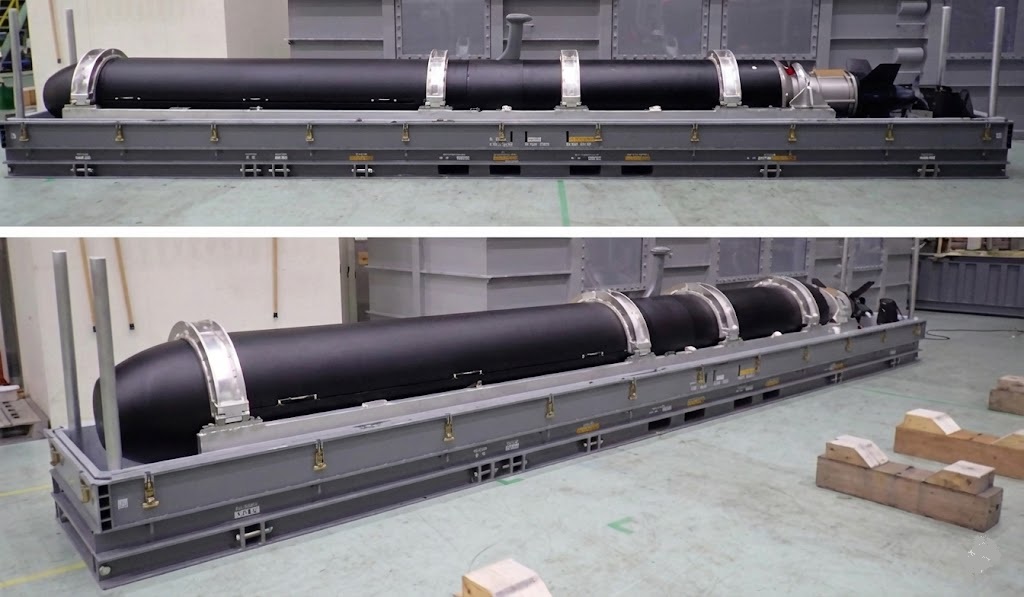
General Dynamics Mission Systems (GDMS) has announced a major technological milestone with the development of new ultra-wideband (UWB) radome wall designs engineered specifically for next-generation air dominance (NGAD) aircraft, collaborative combat aircraft (CCA), and advanced unmanned and manned platforms of the future. The company confirmed that it has already fabricated Initial Full-Scale Build (IFB) risk-reduction prototypes and successfully conducted radio-frequency (RF) range testing, marking a significant leap toward operational readiness.
The effort is now focused on increasing both the Technology Readiness Level (TRL) and Manufacturing Readiness Level (MRL), ensuring the design can smoothly transition into upcoming high-end defense programs.
Revolutionising Radome Technology for the Future Battlespace
Traditional radomes—protective structures that shield radar antennas while allowing RF signals to pass—have always faced a trade-off: performance across multiple frequencies versus maintaining structural integrity and stealth shaping. General Dynamics’ new UWB radome wall technology aims to break this long-standing constraint.
According to GDMS, the new design delivers “significantly broader frequency performance” compared with both legacy radomes and even the latest wideband designs. This improvement is crucial for emerging platforms that will rely on multifunction arrays (MFAs) capable of performing radar, electronic warfare (EW), communications, and targeting functions simultaneously.
The company also highlighted that radome geometry can be fully customized to match any airframe while still preserving integrated sensor performance—an essential requirement for NGAD-class stealth fighters where shaping and materials determine survivability.
How Ultra-Wideband Radomes Work
The breakthrough comes from a re-engineered multi-layer dielectric wall structure capable of handling vastly wider frequency ranges while minimizing RF loss, distortion, and unwanted reflections.
Key Principles Behind the Technology
-
Advanced dielectric layering
Multiple composite layers with precisely tuned electrical properties allow seamless RF transmission over extremely wide bandwidths. -
Low-Observable (LO) integration
Materials are optimized to maintain stealth shaping, reduce surface reflections, and avoid radar signature “hot spots.” -
Support for Multifunction Arrays (MFAs)
Modern radars no longer transmit in narrow, predictable frequency bands. MFAs hop frequencies rapidly and cover wide spectra for:
• long-range air search
• electronic attack
• passive detection
• secure data links
• target identificationUWB radomes must therefore remain transparent across all these modes without degrading performance.
-
Thermal and structural engineering
Next-gen sensors produce more heat and place greater stress on nose-cone materials. The radome supports high thermal loads and high-g maneuvers expected from sixth-generation aircraft.
Why This Matters in Future Air Warfare
The significance of ultra-wideband radome technology becomes clearer when looking at how profoundly it reshapes modern air combat. In the realm of electronic warfare, UWB transparency offers a decisive edge. It allows powerful onboard EW suites to operate without obstruction—letting the aircraft jam enemy radars, spoof incoming missiles, and detect low-probability-of-intercept signals with far greater confidence, all while avoiding the performance losses older radome designs often created.
This advantage directly strengthens stealth target detection, a mission that next-generation platforms like NGAD must excel at. Future fighters will be expected to spot advanced stealth aircraft such as Russia’s Su-57 or China’s J-20 well before they appear on adversary sensors. By enabling radars to work across a much wider spectrum with cleaner, more consistent transmission, ultra-wideband radomes enhance range, resolution, and resilience against jamming, giving NGAD-class platforms a critical upper hand.
The technology also elevates multifunction combat superiority. Modern MFAs conduct several operations at once—communications, targeting, surveillance, and electronic attack—and any limitation in the radome’s transparency can restrict these capabilities. With UWB performance, these complex systems operate smoothly even in dense electronic warfare environments, allowing the aircraft to maintain full combat effectiveness.
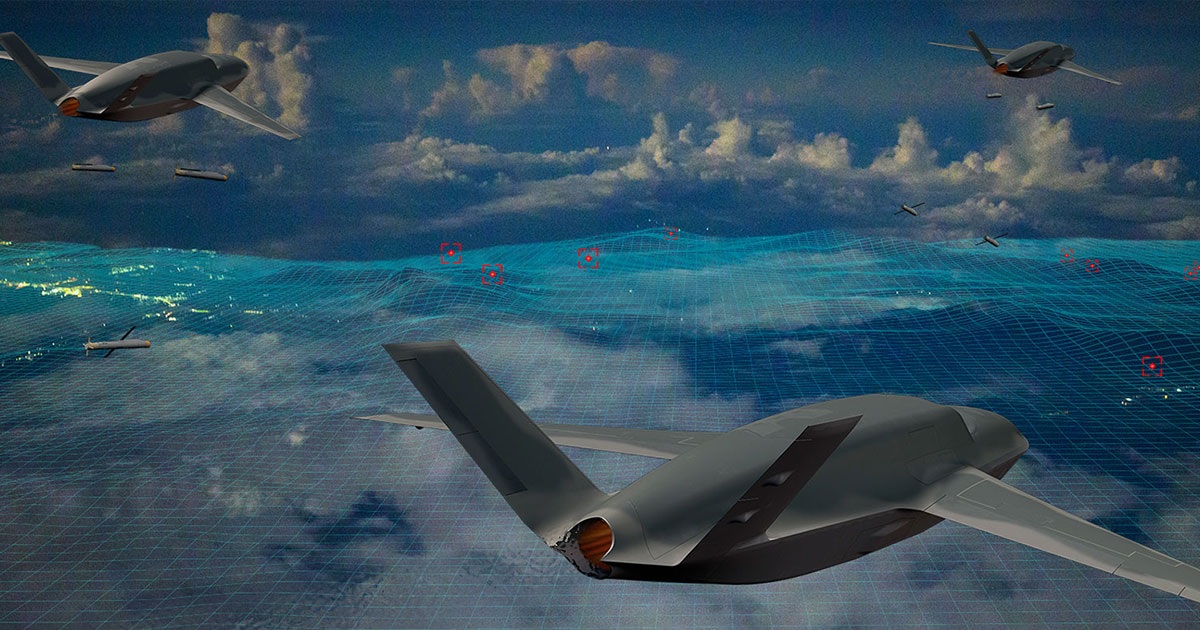
Finally, the relevance of this technology becomes even greater in the age of AI-driven autonomy. Collaborative Combat Aircraft flying alongside NGAD fighters depend on rapid, uninterrupted data exchange. Tasks like real-time sensor fusion, high-speed data sharing, and AI-enhanced threat detection require massive bandwidth and minimal signal distortion. Ultra-wideband radomes make this ecosystem possible, becoming a foundational element of the data-rich, AI-enabled air battlespace of the future.
Future Programs That Could Adopt the Technology
Industry analysts suggest that this radome architecture is likely intended for:
-
US Air Force NGAD manned platform
-
US Navy F/A-XX future fighter
-
Loyal Wingman / CCA swarms
-
High-Altitude ISR aircraft
-
Next-gen missiles or hypersonic systems
As next-generation military systems move toward distributed sensing, jam-resistant networks, and multispectral tracking, a radome that supports ultra-wideband operations becomes indispensable.
A Step Toward Sixth-Generation Superiority
With RF testing already completed and prototype structures fabricated, General Dynamics is positioning its ultra-wideband radome as a foundational technology for the United States’ future air combat fleet. As work continues to raise readiness levels, the system could soon become standard on next-gen platforms shaping the battlespace beyond 2030.
The new UWB radome design is not merely an improvement—it represents a critical enabler for the sensor-heavy, stealth-dominant, AI-connected air warfare environment of the coming decades.
About the Author
Aditya Kumar:
Defense & Geopolitics Analyst
Aditya Kumar tracks military developments in South Asia, specializing in Indian missile technology and naval strategy.