General Atomics Unveils Powerful Gray Eagle 25M Upgrade with HFE 2.0 Engine
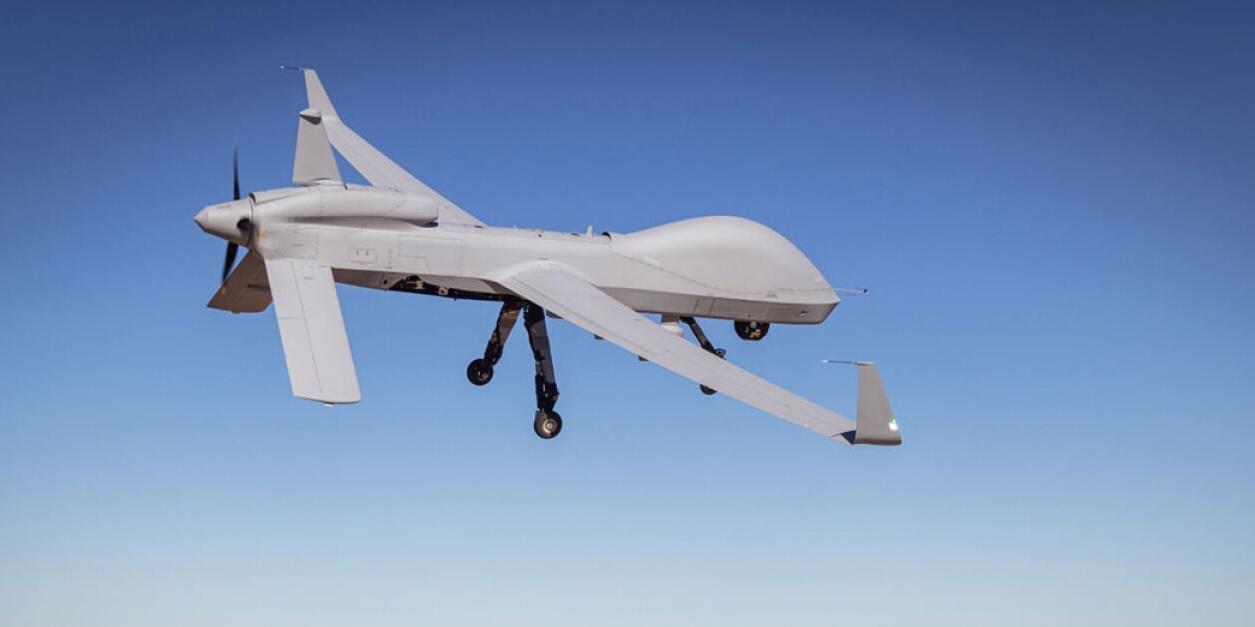
General Atomics Aeronautical Systems Inc. (GA-ASI) has successfully completed rigorous testing of its next-generation heavy fuel engine, the HFE 2.0, designed to elevate the capabilities of the Gray Eagle 25M unmanned aerial system (UAS). Conducted in El Mirage, California, the qualification trials mark a major milestone in advancing the drone's performance and durability to meet modern military demands.
A Leap in Engine Performance
The HFE 2.0, a 200-horsepower heavy fuel engine, delivers a significant performance boost compared to its predecessor. Offering a 40% increase in service life and 50% more power for mission payloads, the engine redefines the operational capabilities of the Gray Eagle platform. This advancement supports low-sustainment and maintenance-free operations, catering to the complex needs of multi-domain battlefields.
Extensive Testing Validates Durability
Over the past 18 months, the HFE 2.0 underwent rigorous endurance testing, simulating flight conditions under extreme stress for durations of 200, 400, and 651 hours. It further completed 50 hours of trials within its operational envelope, confirming its reliability under various flight conditions. During the recent three-week qualification phase, the engine met the US Federal Aviation Administration’s (FAA) primary performance standards for commercial applications, a testament to its engineering excellence.
Army Integration on the Horizon
Following the FAA validation, the HFE 2.0 will undergo an additional qualification process with the US Army. This step is essential to authorize the engine's integration into the Gray Eagle Extended Range drones, replacing the aging 180-horsepower engines in the current fleet. The upgrade promises to enhance mission endurance and payload capacity, solidifying the Gray Eagle's role as a critical asset in reconnaissance and strike operations.
David Alexander, President of GA-ASI, highlighted the significance of the achievement:
“This test is the culmination of the extensive durability and flight test program for the HFE 2.0 engine. It’s been great to see the outstanding test results that have validated the design and development of the HFE 2.0 engine we have worked on so passionately for the past seven years and to bring this world-class engine to the Gray Eagle fleet.”
Advanced Capabilities of the Gray Eagle
The Gray Eagle UAS is engineered for versatility, featuring a length of 28 feet (9 meters) and a wingspan of 56 feet (17 meters). It boasts a top speed of 167 knots (192 mph or 309 km/h) and a service ceiling of 29,000 feet (8,839 meters). The drone can be equipped with a variety of payloads, including air-to-air and air-to-ground missiles, making it a formidable asset for military operations.
Recent enhancements to the platform include cutting-edge radar and sensing technologies capable of detecting threats at a distance of 50 miles (80 kilometers), alongside a next-generation flight computer offering increased memory, processing power, and high-speed data transfer capabilities.
Future Prospects
The Gray Eagle is being positioned as a critical component in the US Army’s evolving vertical lift strategy. While the Future Attack Reconnaissance Aircraft (FARA) program, which envisions drone-helicopter teams, is currently on hold, the Gray Eagle continues to demonstrate its value with advancements like the HFE 2.0 engine.
With a history of securing substantial contracts, such as a $389-million deal in late 2023, and continuous innovation in sensing and operational efficiency, the Gray Eagle is set to remain a cornerstone of US Army reconnaissance and strike capabilities. The latest engine upgrade ensures the platform remains future-ready, addressing emerging challenges on the modern battlefield.
This milestone not only strengthens the Gray Eagle’s operational edge but also reinforces General Atomics’ position as a leader in cutting-edge UAS technology.
✍️ This article is written by the team of The Defense News.