Gaganyaan Unmanned Mission Set for March 2025: Tracking Ships to Play a Vital Role
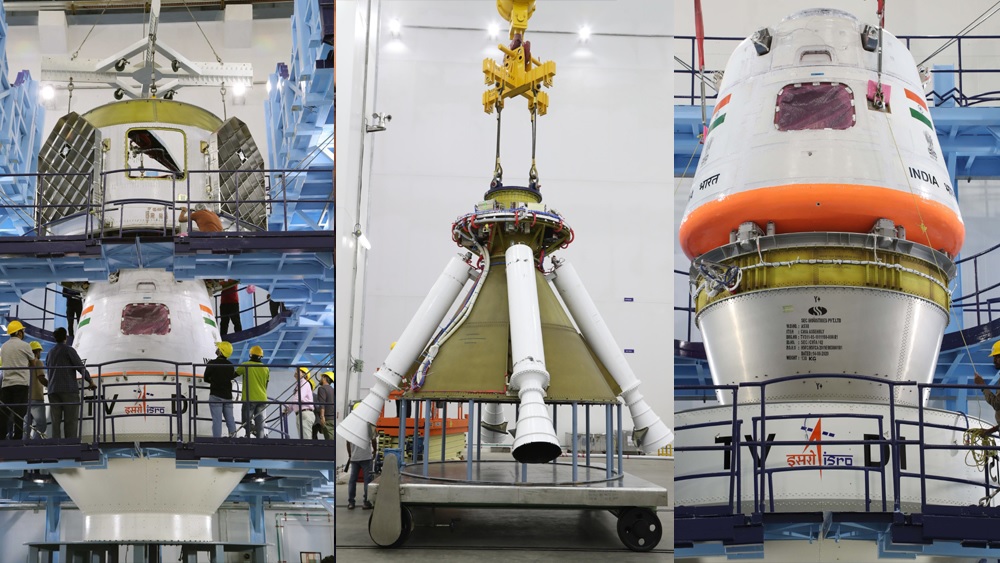
India's ambitious Gaganyaan program, spearheaded by the Indian Space Research Organisation (ISRO), is gearing up for a groundbreaking milestone with its unmanned mission, scheduled for March 2025. This mission is a critical precursor to India’s first crewed spaceflight, solidifying its presence in the global space exploration arena.
Mission Overview and Goals
The unmanned Gaganyaan mission aims to test the spacecraft's performance and key technologies essential for human spaceflight. These include life-support systems, environmental controls, and navigation. The mission will see the spacecraft reach an altitude of approximately 400 kilometers while orbiting Earth for a few days, simulating conditions for future crewed flights. The findings will pave the way for the subsequent human mission planned for 2026.
Role of the Tracking Ships
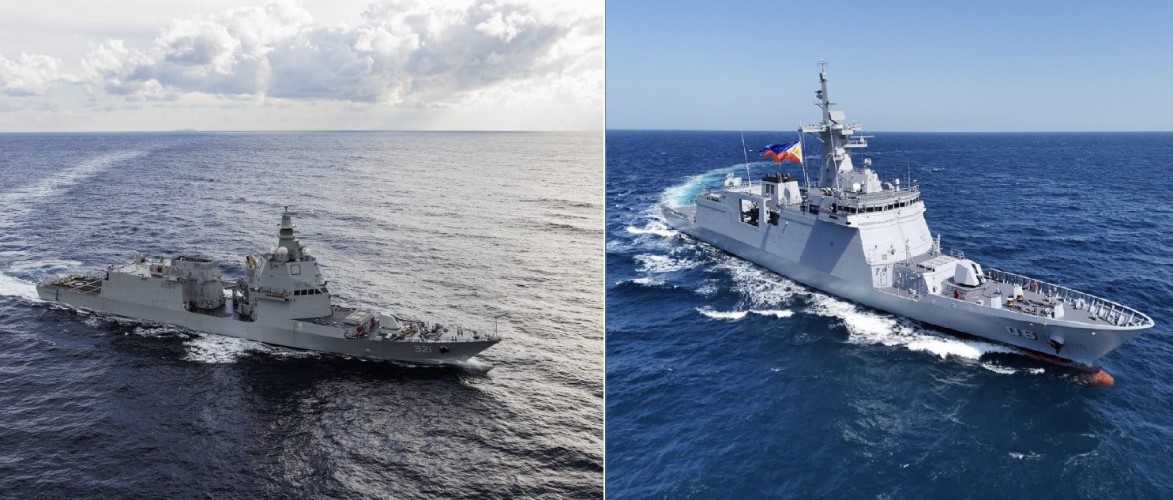
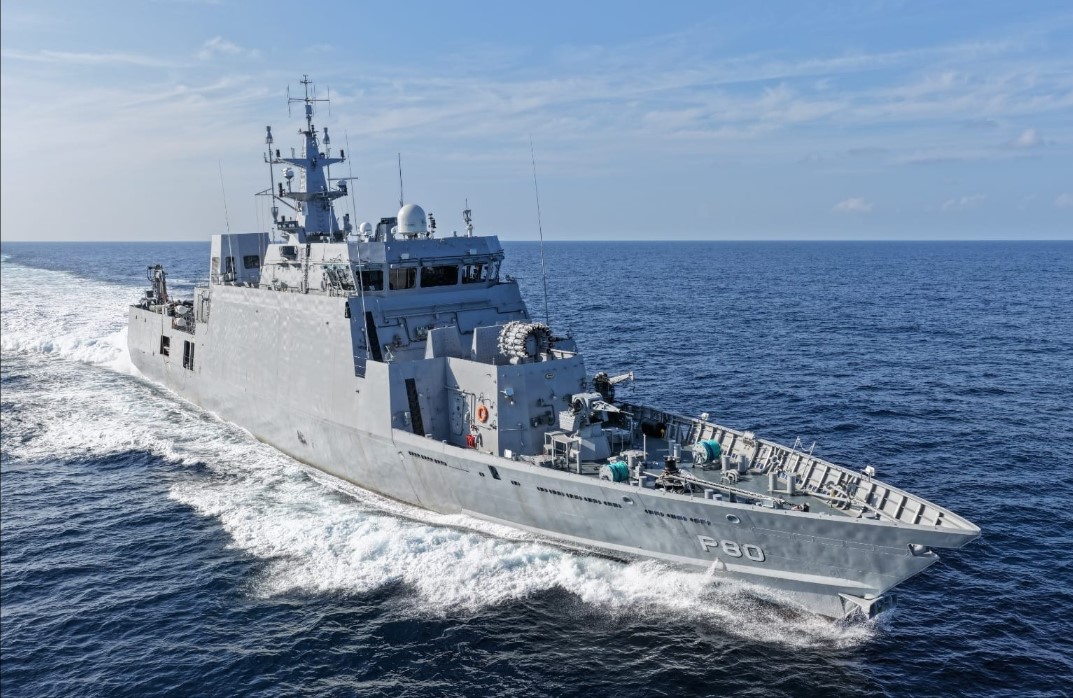
ISRO is deploying two highly advanced ships, each equipped with state-of-the-art telemetry, tracking, and command systems, to monitor and support the mission. These vessels will be strategically positioned in the Pacific and North Atlantic Oceans. Their dynamic positioning systems ensure stability and precision, critical for tracking the spacecraft during key mission phases, such as launch, orbital operations, and re-entry.
The onboard technology includes shipborne terminals (SBTs) and advanced antennas, designed to maintain uninterrupted communication with the spacecraft. These ships will establish hybrid communication circuits, linking them directly to ISRO’s mission control in Bengaluru for real-time data analysis and decision-making.
Scientists at the Helm
Each ship will house a dedicated team of eight ISRO scientists, tasked with monitoring mission operations and ensuring the functionality of onboard systems. These scientists will oversee critical processes such as:
- Data Transmission: Ensuring real-time data relay between the spacecraft and mission control.
- Equipment Management: Maintaining and calibrating onboard tracking and telemetry instruments.
- Dynamic Navigation: Using precision systems to keep the ships stable in rough ocean conditions.
The experience gained from these efforts will not only benefit the Gaganyaan program but also enhance ISRO’s capability to handle complex, large-scale missions in the future.
Training and the Road Ahead
ISRO has already made significant strides in astronaut training, with four candidates undergoing extensive preparation in Russia and India. Their training covers spacecraft systems, emergency protocols, and space survival techniques. The unmanned mission is expected to validate the systems they will rely on during their journey to space.
Strategic and Scientific Implications
The Gaganyaan project represents a giant leap for India’s space aspirations, both scientifically and geopolitically. By showcasing its ability to execute sophisticated human spaceflight missions, India joins an elite group of nations with such capabilities, including the United States, Russia, and China. Furthermore, the deployment of tracking ships highlights India's growing expertise in ocean-based mission support, akin to global standards seen in NASA and ESA missions.
With its technological prowess and meticulous planning, the Gaganyaan program is poised to not only achieve its objectives but also inspire the next generation of space exploration in India and beyond.
✍️ This article is written by the team of The Defense News.