GE Aerospace Secures Contract to Supply LM2500 Engines for Next U.S. Navy Flight III Destroyers
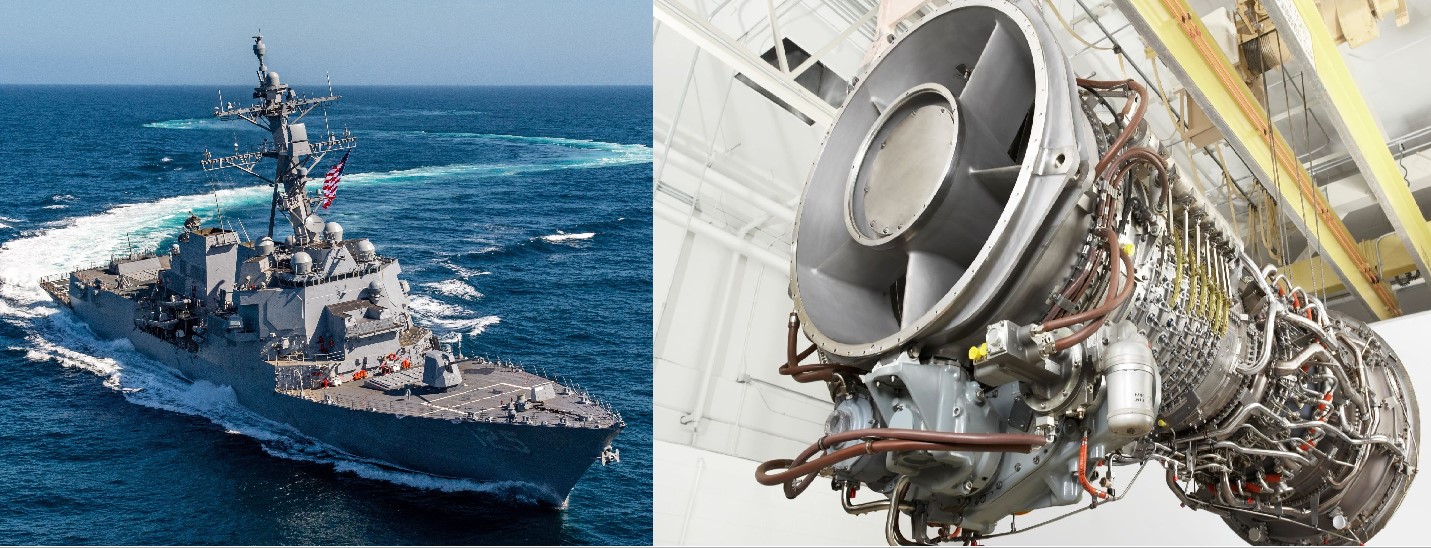
GE Aerospace’s Marine Engines & Systems division has secured a significant contract to deliver eight LM2500 marine gas turbine engines for the U.S. Navy’s next two Flight III Arleigh Burke-class guided-missile destroyers: the future USS Intrepid (DDG 145) and USS Robert Kerrey (DDG 146). Each destroyer will be outfitted with four LM2500 engines, continuing decades of naval reliance on GE’s aviation-derived powerplants for critical warship performance.
Proven Propulsion Technology at the Heart of Surface Fleet Power
The LM2500 family has long been the backbone of U.S. surface combatant propulsion, known for combining high power density, reliability, and streamlined logistics support. As of early 2025, 74 Arleigh Burke-class destroyers in active service are powered by LM2500 engines — a testament to the design’s durability and performance across more than three decades of naval operations. With these latest orders, GE Aerospace will have supplied engines for every active ship in the class, totaling 296 turbines across 74 destroyers.
Mark Musheno, Vice President of Sales and Marketing for GE Aerospace’s Marine Engines & Systems business, underscored the company’s commitment to supporting the Navy’s expanding fleet: “The LM2500 has been the engine of choice for the U.S. Navy’s destroyer fleet for decades… GE Aerospace is committed to ramping up production capacity to meet the Navy’s expanding fleet requirements while maintaining the quality and reliability that has made the LM2500 the most trusted marine gas turbine in naval service worldwide.”
An Engine Family with a Long and Global Legacy
Originally stemming from GE’s CF6 commercial aircraft engine, the LM2500 marine gas turbine has evolved into one of the most widely used naval propulsion systems in the world. First introduced into service aboard U.S. naval vessels in 1969, the model has since been upgraded through enhanced variants — including the LM2500+, LM2500+G4, and others — delivering increased power and operational efficiency while maintaining compatibility with existing ship systems.
The latest LM2500+G4 variant, for example, is capable of producing 30–37 megawatts of power and boasts reliability ratings of 99 percent or higher, helping ensure that modern surface warships can sustain demanding global missions.
To date, the U.S. Navy has taken delivery of more than 700 LM2500 gas turbines operating aboard ships including destroyers and frigates. Beyond U.S. service, the engine family is trusted by dozens of allied navies, with thousands of units deployed worldwide, making GE a leading supplier of marine propulsion systems.
Strategic Importance and Broader Defense Context
The Arleigh Burke class has been a mainstay of U.S. naval power projection for more than 30 years, combining multi-mission combat capability with proven seakeeping and propulsion systems. The Flight III variant — of which the Intrepid and Robert Kerrey are early hulls — incorporates advanced radar, missile, and combat system upgrades while retaining the trusted LM2500-powered propulsion plant.
GE’s contract supports not only warship construction but ongoing U.S. strategic objectives aimed at achieving a 390-ship fleet, a goal that requires robust supply chains and industrial production capacity for propulsion modules, combat systems, sensors, and weapons.
Defense analysts note that marine gas turbines like the LM2500 deliver both high power-to-weight performance and reduced maintenance burdens compared with legacy steam plants — attributes that help high-tempo surface fleets remain mission-ready across extended global deployments.
Continued Naval Service and Industry Partnerships
Deliveries of Flight III destroyer propulsion packages are expected to continue through the late 2020s, with LM2500 turbines slated to remain in service well into the coming decades. Industry efforts, including expanded production capacity and workforce development initiatives, aim to ensure that propulsion orders keep pace with naval modernization programs.
With over 55 years of operational heritage, continual modernization, and unmatched global adoption, the LM2500 remains the centerpiece of modern naval propulsion — and a key element of America’s future surface fleet.
About the Author
Aditya Kumar:
Defense & Geopolitics Analyst
Aditya Kumar tracks military developments in South Asia, specializing in Indian missile technology and naval strategy.