GE Aerospace Commits $300 Million to Propel Hybrid-Electric VTOL Future in Bold Strategic Tie-Up with BETA Technologies
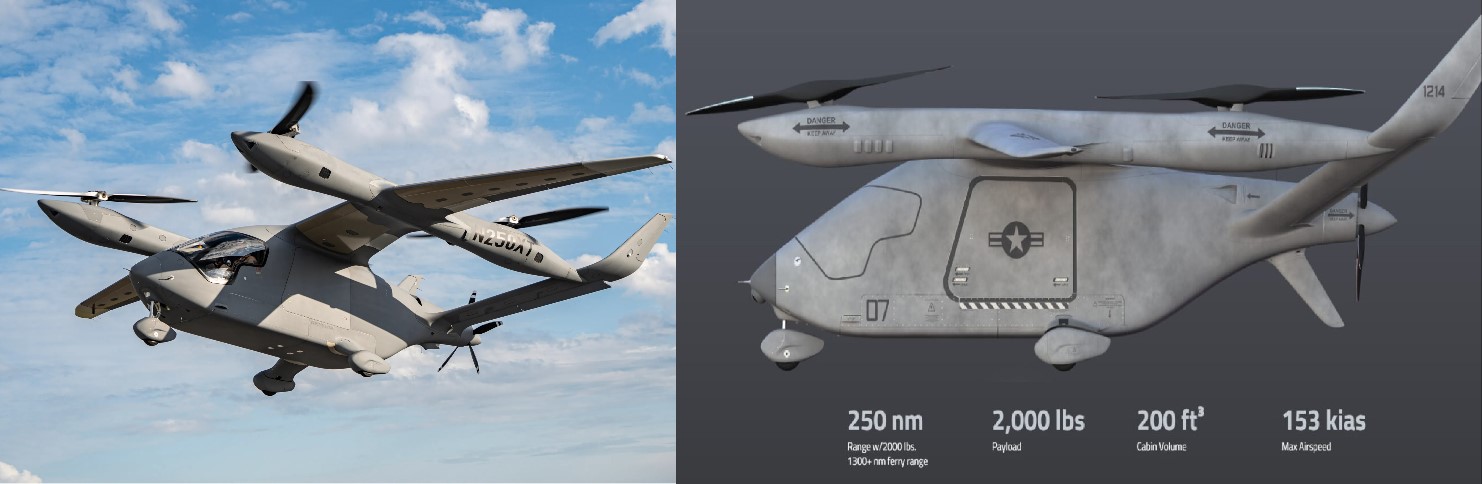
CINCINNATI : In a major move to fast-track hybrid-electric propulsion for Advanced Air Mobility (AAM), GE Aerospace and BETA Technologies have announced a strategic partnership accompanied by a $300 million equity investment. Pending regulatory approval, the collaboration will unite GE Aerospace’s proven turbine expertise—drawing on its CT7 and T700 engine lines—with BETA’s advanced permanent-magnet electric generators to co-develop a hybrid-electric turbogenerator designed to power next-generation long-range VTOL aircraft and other AAM platforms.
Under the agreement, GE Aerospace gains the right to appoint a director to BETA’s board, reinforcing its commitment to the venture.
Why It Matters
This hybrid solution is engineered to significantly outperform traditional electric AAM aircraft in range, payload, and speed. By combining turbine-generated electricity with electric propulsion, it addresses the “energy density barrier” of battery-only designs, making it a more viable near-term option—particularly for defense and logistics applications where versatility is critical.
Strategic Alignment and Broader Context
-
Market Vision: The Advanced Air Mobility sector is expected to expand rapidly, with analysts projecting a multibillion-dollar valuation within the next decade. Hybrid systems are seen as a crucial stepping stone until battery technology matures further.
-
Prior Engineering Advances:
-
In 2016, GE Aerospace conducted ground tests of an electric motor-driven propeller.
-
In 2022, it achieved the world’s first megawatt-class hybrid-electric propulsion test at simulated high-altitude conditions (45,000 ft).
-
GE has also been involved in multiple demonstration programs, including NASA’s Electrified Powertrain Flight Demonstration and DARPA’s HSVTOL initiative.
-
-
BETA’s Track Record: Founded in 2017 in Vermont, BETA has developed the ALIA A250 (eVTOL) and CX300 (eCTOL) aircraft. The CX300 recently achieved FAA certification, and BETA has already conducted extensive demonstration flights across the United States and Europe. Its growing charging infrastructure also supports all-electric and hybrid platforms, signaling a broader ecosystem approach.
Key Quotes
-
Larry Culp, Chairman and CEO of GE Aerospace:
“Partnering with BETA will expand and accelerate hybrid electric technology development, meeting our customers' needs for differentiated capabilities that provide more range, payload, and optimized engine and aircraft performance.” -
Kyle Clark, Founder and CEO of BETA Technologies:
“This partnership brings together two teams deeply committed to aerospace engineering excellence. We believe the industry is on the brink of a step change, and we’re humbled by GE Aerospace’s confidence in our team and technology.”
What to Watch Next
-
Regulatory Approval – The deal awaits formal clearance before funds are deployed.
-
Flight Testing – Integration of the hybrid turbogenerator into BETA’s aircraft platforms is expected in the coming years.
-
Civil and Defense Applications – The technology could serve urban logistics as well as contested battlefield environments, offering mobility and resilience.
-
Industry Momentum – GE Aerospace continues to increase R&D investments, signaling strong confidence in hybrid-electric aviation as a pillar of future growth.
Through this alliance, GE Aerospace and BETA Technologies are positioning themselves at the forefront of hybrid-electric aviation, aiming to deliver aircraft that combine performance, safety, and sustainability while reshaping both civil and defense aviation sectors.
✍️ This article is written by the team of The Defense News.