Frozen Hydraulics Bring Down $200 Million F-35A in Alaska
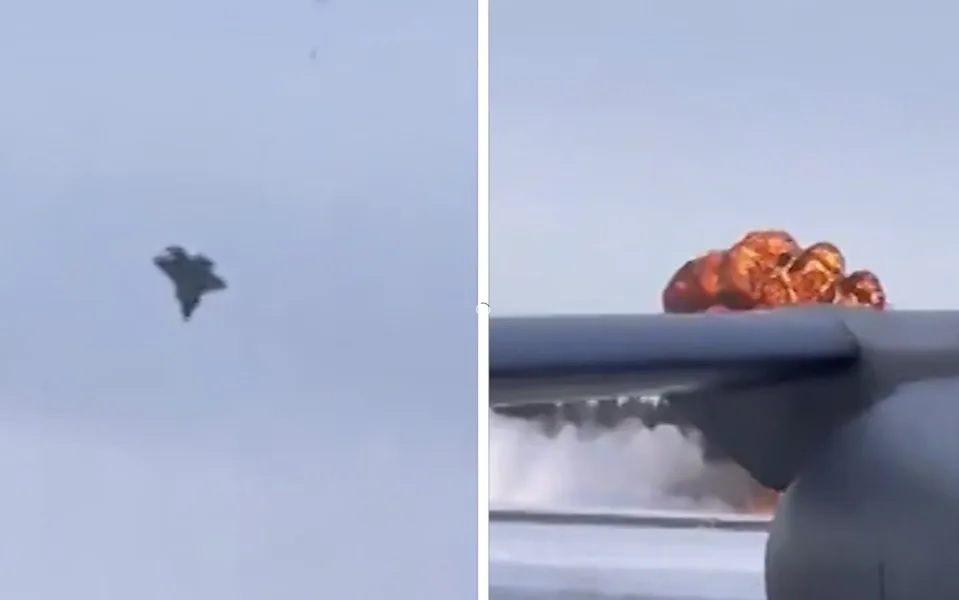
On January 28, 2025, an F-35A Lightning II fighter jet crashed at Eielson Air Force Base in Alaska after a catastrophic landing gear failure, forcing the pilot to eject. The incident has since raised major questions about maintenance practices and the aircraft’s resilience in extreme conditions.
The 50-Minute Struggle in the Sky
The pilot spent nearly an hour on a live call with engineers from Lockheed Martin—the jet’s manufacturer—and the base supervisor of flying, trying to troubleshoot a jammed nose landing gear. Together, they attempted two “touch-and-go” landings in hopes of realigning the wheel, but both failed. By then, ice had spread through the hydraulic system, leaving all landing gear disabled.
As the aircraft lost control, onboard sensors mistakenly concluded it was already on the ground. This forced the jet into automated ground mode while still airborne, making it impossible to fly. The pilot ejected at about 370 feet, sustaining only a spinal fracture and abrasions. Seconds later, the $200 million jet plummeted and exploded in a fireball.
Root Cause: Contaminated Fluid in Extreme Cold
Investigators found that the hydraulic systems contained about one-third water contamination, which froze at Alaska’s –18 °C conditions. The freezing jammed the landing gear struts, starting a chain of cascading failures.
The Accident Investigation Board (AIB), led by Col. Michael Lewis, concluded that improper storage and handling of hydraulic fluid barrels at the base caused the contamination. Hazardous-material oversight was also deemed insufficient.
Lewis noted that while the pilot and engineers showed composure, decision-making errors—such as repeated touch-and-go attempts instead of safer alternatives—worsened the crisis.
Warnings Ignored
Lockheed Martin had issued a maintenance bulletin in April 2024, warning that F-35 sensors could misread conditions in extreme cold, creating risks of loss of control. That advisory proved prophetic in Alaska.
Just nine days after this crash, another F-35A at the same base faced a similar hydraulic icing problem but managed to land safely.
A Broader Pattern of Crashes and Costs
This crash adds to a troubling history: around 32 F-35 accidents have occurred since the aircraft entered service, including an F-35C crash in California in July 2025.
Despite unit costs falling from $135.8 million in 2021 to around $81 million in 2024, the program’s lifetime cost is projected to exceed $2 trillion. The US Government Accountability Office expects the jet to remain in service until 2088.
Critics like Elon Musk argue the F-35 was “broken at the requirements level,” calling it a costly “jack of all trades, master of none,” and warning that in an age of drones, manned fighters may be outdated.
Global Supply Chain and Australia’s Role
The F-35 relies on more than 1,900 suppliers worldwide. Australia plays a key role, with over 75 companies providing components, including the uplock actuator system that allows the F-35 to open its weapons bay without losing stealth. Australia’s defence industry has already earned about $5 billion from its contributions.
A Cold Lesson
The Alaska crash exposed more than just a frozen hydraulic line. It highlighted how even the world’s most advanced jet can be undone by something as basic as contaminated fluid. It also showed the limits of real-time troubleshooting—even with the manufacturer on the line.
The F-35 remains the backbone of US and allied air power, but this fiery accident proves that complex systems are only as strong as their smallest overlooked detail.
✍️ This article is written by the team of The Defense News.