France and Italy Approve SAMP/T NG Production, Strengthening Europe’s Air Defence by 2026
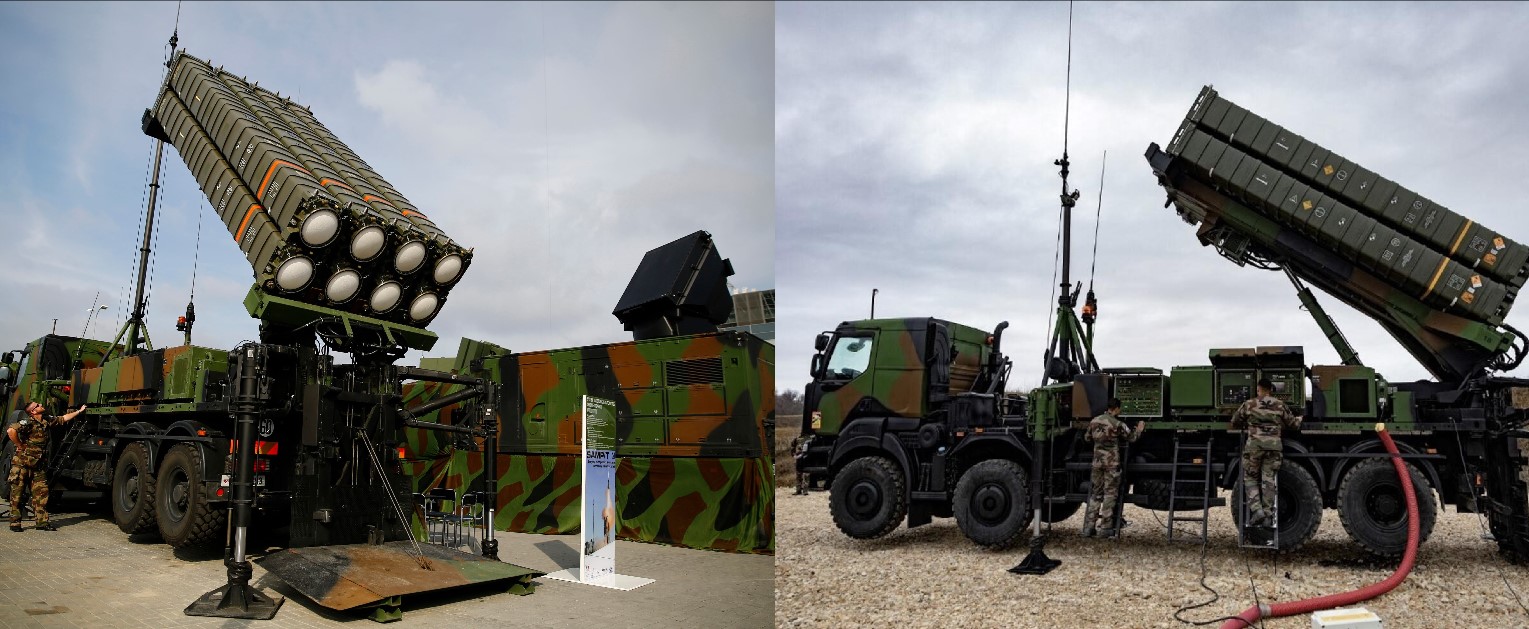
Paris/Rome — France and Italy have formally confirmed the continuation of development and production work on SAMP/T NG (New Generation), the most advanced iteration of Europe’s long-range, ground-based air and missile defence system. The move signals a decisive transition from development into industrial-scale production, with initial operational deliveries planned from 2026, as Europe accelerates efforts to strengthen its sovereign air-defence architecture amid rapidly evolving missile and aerial threats.
Developed under the management of OCCAR and led industrially by EUROSAM—a joint venture between MBDA and Thales—SAMP/T NG represents a deep modernization of the existing SAMP/T system already in service with several European armed forces.
A New Interceptor at the Core
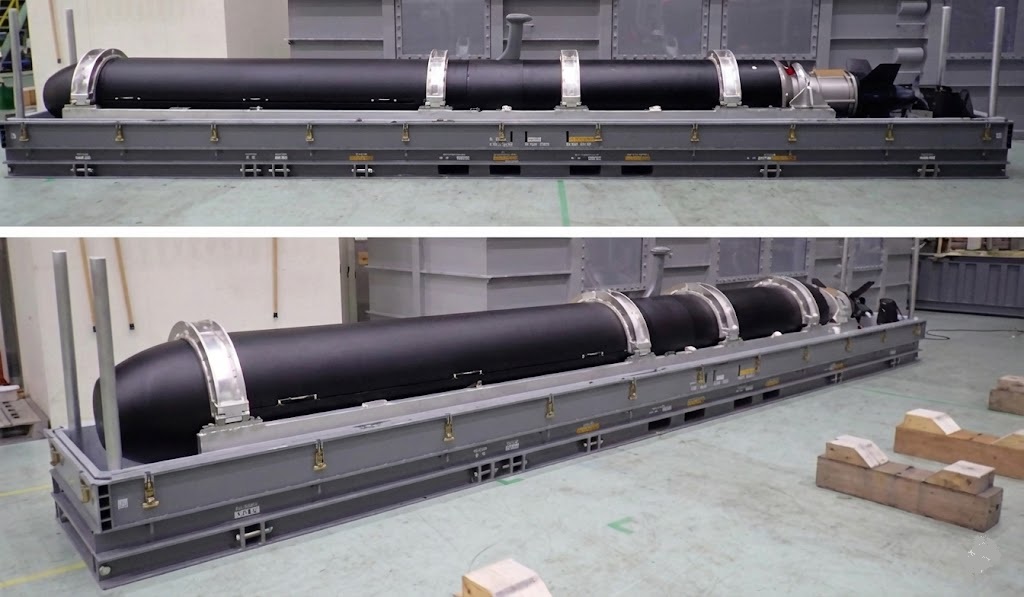
At the heart of SAMP/T NG is the Aster 30 Block 1 NT interceptor, a substantially upgraded missile designed to counter short- to medium-range ballistic missiles, cruise missiles, combat aircraft, and unmanned aerial vehicles. The Block 1 NT variant introduces a new Ka-band active radar seeker, enhanced processing power, and improved end-game discrimination, significantly boosting effectiveness against complex and manoeuvring targets.
The interceptor provides engagement ranges beyond 150 km against aerodynamic threats, while its ballistic-missile defence envelope is designed to counter missiles with ranges exceeding 600 km, marking a major step forward for European land-based missile defence.
New AESA Radars and Digital Command Systems
SAMP/T NG also replaces legacy sensors with new-generation AESA radars, tailored to national requirements. France will deploy the Ground Fire 300, while Italy has selected the Kronos Grand Mobile High Power.
Both radars offer 360-degree coverage, high refresh rates, and detection ranges exceeding 350–400 km, alongside strong resistance to electronic warfare and jamming. These sensors are paired with an upgraded command-and-control module, enabling faster engagement cycles, multi-target tracking, and seamless NATO-level interoperability.
A standard SAMP/T NG battery can deploy up to six launchers, each carrying eight ready-to-fire missiles, allowing a single battery to field as many as 48 Aster interceptors.
Orders, Investment and Industrial Momentum
France and Italy have already placed firm orders for the new system. France has committed to eight SAMP/T NG units, while Italy has ordered ten systems, supported by substantial long-term funding allocations. Production contracts signed in 2023 secured both system integration and sustained ASTER missile manufacturing, ensuring industrial continuity well into the next decade.
Industry sources confirm that radar production, missile qualification, and system integration activities are now aligned to support first deliveries in early 2026, with subsequent batches to follow as production scales up.
Testing Success Strengthens Confidence
Recent successful live-fire tests of the Aster 30 Block 1 NT missile have reinforced confidence in the programme’s maturity. These firings validated long-range interception performance and confirmed compatibility with the new SAMP/T NG architecture, underlining the system’s readiness for operational fielding.
Strategic Significance for Europe
Beyond its technical advances, SAMP/T NG carries major strategic weight. As Europe debates the future structure of continental air defence, France and Italy are positioning the system as a fully European solution, designed to preserve industrial autonomy while remaining tightly integrated with NATO command networks.
With high-end threats—from ballistic missiles to advanced cruise missiles—becoming more prevalent, SAMP/T NG is intended to serve as a cornerstone of Europe’s long-range air and missile defence well into the 2030s. The confirmation of continued production work marks a critical milestone, bringing Europe’s most advanced land-based air-defence system firmly onto the path toward frontline service in 2026.
About the Author
Aditya Kumar:
Defense & Geopolitics Analyst
Aditya Kumar tracks military developments in South Asia, specializing in Indian missile technology and naval strategy.