France and Iraqi Kurdistan Urge De-Escalation as Clashes Erupt in Syria’s North
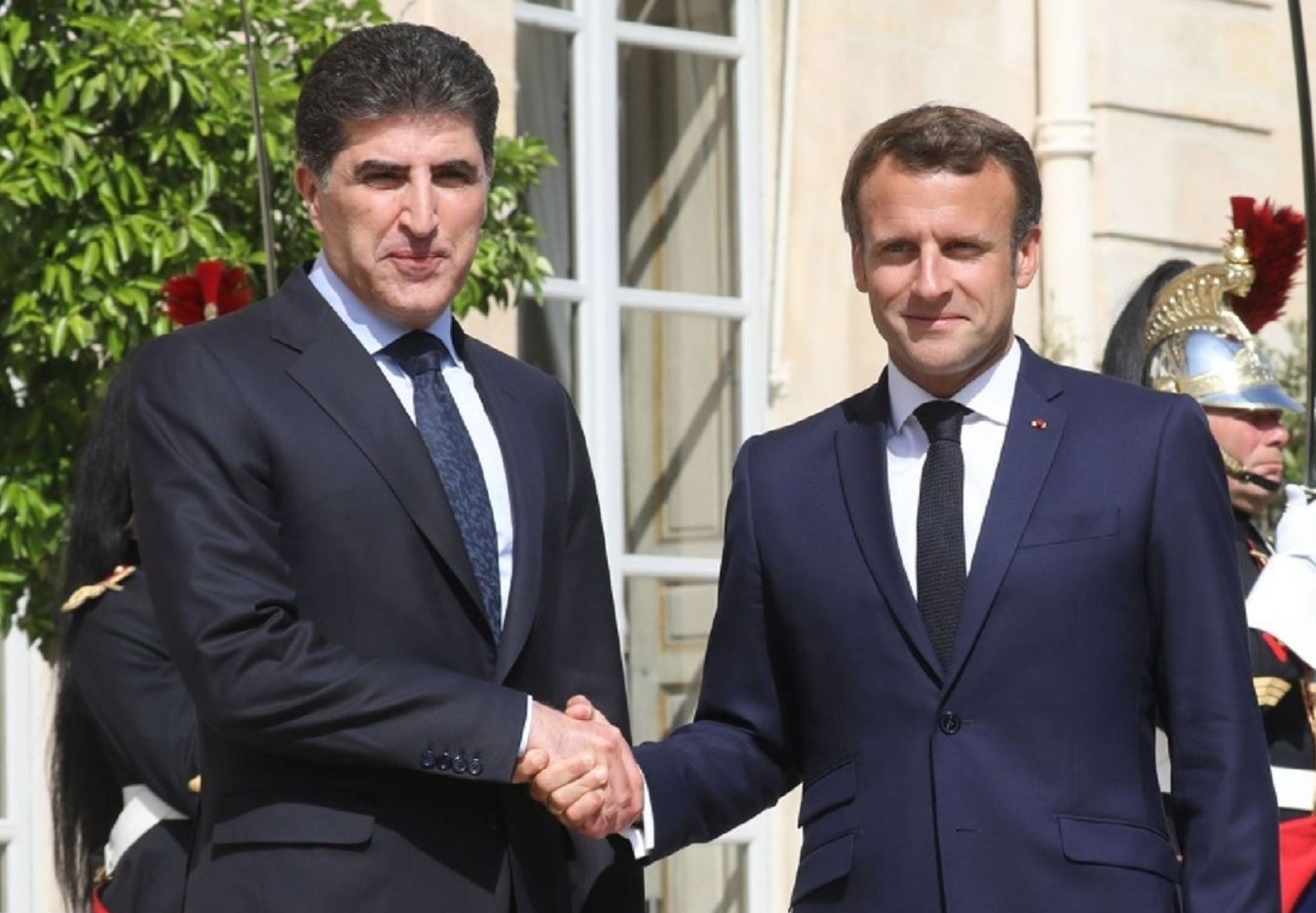
PARIS / ERBIL : France’s President Emmanuel Macron and the president of Iraq’s Kurdistan Region, Nechirvan Barzani, held urgent telephone talks on Saturday, jointly calling for an immediate de-escalation and a lasting ceasefire in Syria following renewed fighting in the country’s north.
According to a statement from the Élysée Palace, the two leaders appealed to “all parties” to halt hostilities after days of clashes between the Kurdish-led Syrian Democratic Forces (SDF) and units loyal to the government in Damascus. The violence has underscored how unresolved power arrangements continue to destabilise Syria more than a year after the fall of longtime ruler Bashar al-Assad.
Fighting Rekindles Old Fault Lines
The latest confrontations have centred on parts of northern Syria where the SDF has maintained control since the height of the civil war and the campaign against the Islamic State. Backed for years by Western support in the anti-IS fight, the SDF governs broad swathes of the oil-rich north and northeast through a semi-autonomous administration.
Since Assad’s overthrow a little over a year ago, Syria’s new Islamist-led authorities in Damascus have sought to reassert state control across the country. That ambition has increasingly brought them into tension with Kurdish forces, who fear losing political autonomy, security guarantees, and a share of economic resources in areas under their control.
A Stalled Integration Deal
In March last year, Damascus and the SDF signed a landmark agreement intended to merge the Kurdish-run administration and its military forces into the structures of the Syrian state. The deal was widely seen as a critical step toward stabilising post-war Syria and preventing renewed fragmentation.
However, implementation has largely stalled amid disputes over command authority, revenue sharing from oil fields, and the future status of Kurdish self-rule. The failure to translate the agreement into concrete steps has left armed formations facing each other along tense front lines, creating conditions ripe for the kind of clashes seen in recent days.
France and Kurdistan Push for Talks
During their call, Macron and Barzani reaffirmed their support for “the immediate resumption of talks on integrating the SDF into the Syrian state,” the French presidency said. Both leaders stressed that only a negotiated political process could prevent further bloodshed and ensure that Syria’s transition does not unravel into renewed conflict.
France has long positioned itself as a diplomatic stakeholder in Syria, particularly through its ties with Kurdish forces that played a central role in defeating Islamic State strongholds. Iraqi Kurdistan, meanwhile, has deep political, ethnic and security links with Syrian Kurds and has repeatedly warned that instability across the border risks spilling into Iraq.
Regional Stakes and Uncertain Outlook
The renewed fighting comes at a sensitive moment for the wider region. Neighbouring countries fear that a breakdown in northern Syria could revive extremist networks, disrupt fragile energy infrastructure, and trigger new displacement toward already strained borders.
While the call by Macron and Barzani adds international pressure for restraint, diplomats caution that translating appeals into a durable ceasefire will depend on whether Damascus and the SDF can overcome deep mistrust and revive the stalled integration process. Until then, Syria’s north remains a flashpoint — and a reminder that the country’s post-Assad future is far from settled.
About the Author
Aditya Kumar:
Defense & Geopolitics Analyst
Aditya Kumar tracks military developments in South Asia, specializing in Indian missile technology and naval strategy.