France Unveils First-Ever Arctic Defense Strategy to Safeguard Strategic Interests
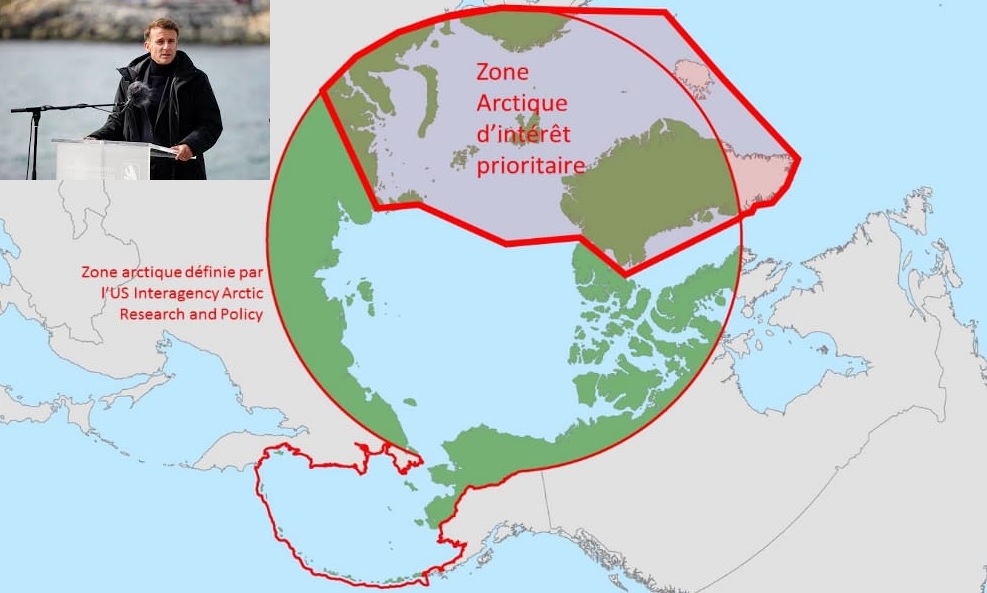
France has officially unveiled its first-ever Arctic Defense Strategy, marking a decisive shift in its national security posture as the once-remote Arctic transforms into a global hotspot of geopolitical competition and economic opportunity. The strategy, released last week by the French Ministry of the Armed Forces, reflects growing concerns over resource competition, climate change, and the increasing militarization of the High North.
For decades, the Arctic was largely defined by cooperation and multilateral governance, but that era is fading fast. The invasion of Ukraine by Russia in 2022 shattered the illusion of Arctic exceptionalism—an unwritten understanding that regional tensions would remain minimal. In response to this new reality, France has chosen to formalize its presence and role in the Arctic through a robust defense strategy aimed at securing vital national and European interests.
The Arctic’s strategic significance has exploded in recent years. Once a harsh, frozen wilderness, it is now at the center of global attention due to vast untapped natural resources like oil, gas, and rare earth elements. At the same time, climate change is melting polar ice at unprecedented rates, opening up new commercial shipping lanes like the Northeast Passage, which could drastically reduce maritime travel times between Europe and Asia.
This dual dynamic—resource wealth and accessibility—has intensified interest from global powers and transformed the Arctic into a contested space. The geopolitical shift has been further sharpened by Finland’s entry into NATO in 2023 and Sweden’s in 2024, meaning seven of the eight Arctic nations are now part of the alliance. This reshapes Euro-Atlantic defense and places new strategic pressure on France to protect its interests.
In response, France's Arctic strategy focuses on three main pillars:
1. Positioning and Presence
France plans to strengthen its legitimacy and visibility in the Arctic by actively participating in regional forums and increasing its military footprint through exercises and surveillance operations. This includes intelligence gathering, environmental monitoring, and continued deployment of forces to build operational readiness in the unique Arctic environment. France’s nuclear deterrence posture also benefits from improved understanding of the region’s environmental patterns.
2. Deepening Cooperation
France will enhance bilateral and multilateral partnerships, especially with NATO allies and EU Arctic actors, to build interoperability and shared capabilities. This includes joint military exercises, logistical cooperation, and expanded information-sharing networks. The strategy emphasizes that collaboration with regional stakeholders is key to ensuring peace and sustainable development in the Arctic.
3. Tailored Capabilities
Recognizing the Arctic’s harsh environment, France will develop and deploy specialized equipment and technologies suited for extreme cold, remote operations, and satellite-based Arctic surveillance. The defense ministry is focusing on upgrading existing systems and investing in space-based infrastructure—including satellites for high latitudes and relay stations—to enhance communications and domain awareness in the region.
With this strategy, France intends not only to preserve its freedom of action in the Arctic but also to assert itself as a responsible stakeholder committed to security, stability, and environmental stewardship. As one of the few non-Arctic nations with a historical and ongoing presence in the region, France sees itself as a bridge between Europe and the Arctic, ensuring that the race for resources and influence does not come at the cost of global peace and cooperation.
In the fast-evolving landscape of the Arctic, France’s defense strategy sends a clear signal: it is ready to protect its interests, support its allies, and ensure that the Arctic remains a secure and stable part of the world order.
✍️ This article is written by the team of The Defense News.