France To Deliver SAMP/T NG Air Defense Systems With ASTER-30 Missiles To Ukraine In 2026
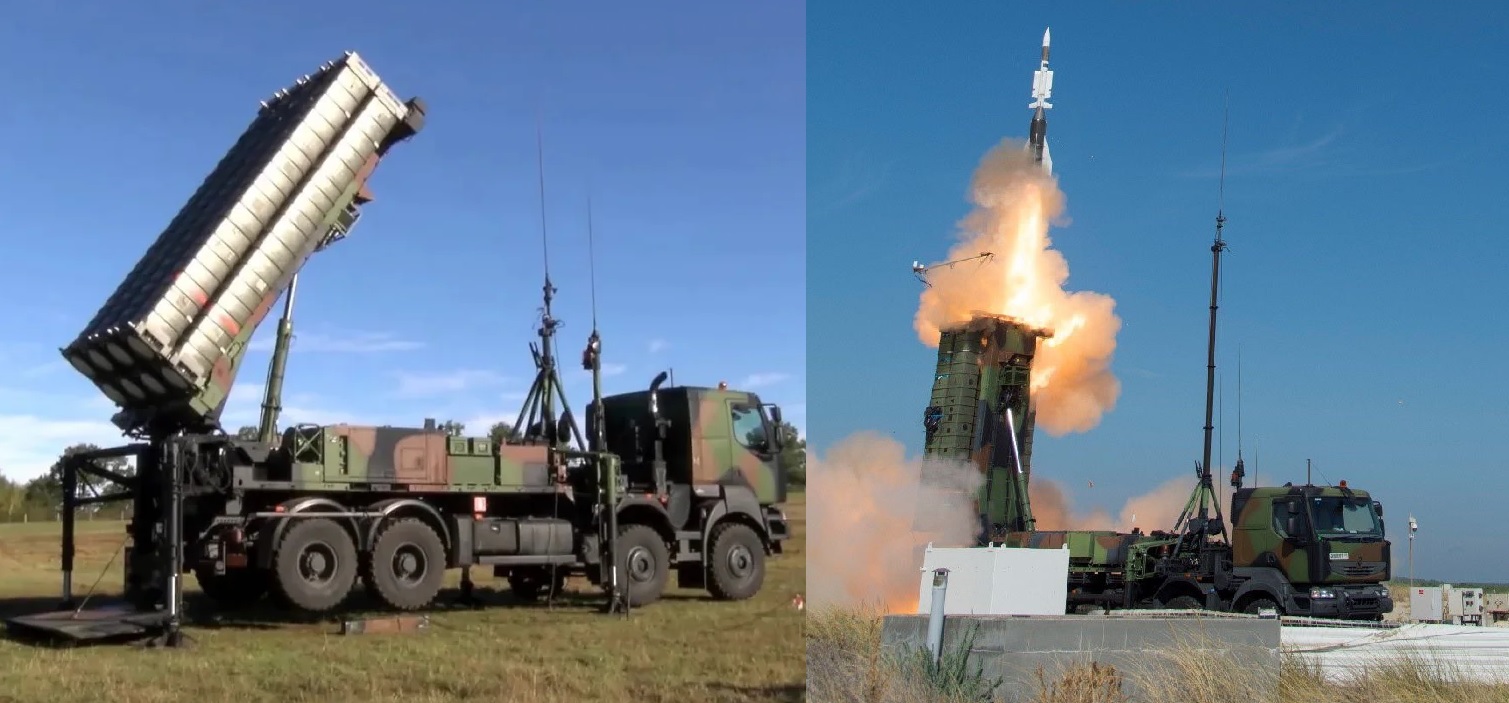
In 2026, France is expected to transfer an unspecified number of SAMP/T NG air defense systems to the Ukrainian Air Force, significantly strengthening Ukraine’s ability to counter Russian ballistic and aeroballistic missile threats. The planned transfer would represent a major upgrade over Ukraine’s current European-made air-defense capabilities and mark the first operational use of the next-generation SAMP/T NG system in an active conflict.
According to information circulating among European defense sources, the future delivery is tied to the industrial rollout schedule of the SAMP/T NG program, which is being developed jointly by France and Italy. While exact quantities and delivery phases remain undisclosed, the 2026 timeline aligns with the first production batches expected to enter service with European armed forces.
ASTER-30 Interceptors: A Step Toward Ballistic Missile Defense
A central feature of the expected transfer is the inclusion of ASTER-30 active radar-homing interceptors, which offer a maximum engagement range of around 120 kilometers, depending on the variant. Unlike shorter-range air-defense missiles, ASTER-30 is designed to engage high-speed, high-altitude targets, including ballistic and aeroballistic missiles as well as large aircraft.
The missile’s active radar seeker, combined with its high maneuverability, allows it to intercept targets during the terminal phase of flight—an ability Ukraine currently lacks within its SAMP/T inventory. Later sub-variants of ASTER-30, developed alongside the SAMP/T NG, are specifically optimized for anti–tactical ballistic missile (ATBM) missions.
How SAMP/T NG Differs From Earlier Versions
The SAMP/T NG (New Generation) system is an upgraded evolution of the original SAMP/T platform. It integrates a new-generation multifunction radar, enhanced battle management software, and improved launch coordination, allowing it to track and engage multiple high-speed targets simultaneously across a 360-degree coverage area.
Compared with earlier configurations, SAMP/T NG is designed to counter more complex threats, including maneuvering ballistic missiles, while maintaining interoperability with NATO command-and-control architectures. European defense officials have repeatedly described the system as Europe’s most advanced ground-based air and missile defense solution.
Ukraine’s Current SAMP/T Capability Gap
At present, Ukraine operates one full SAMP/T battery, delivered jointly by Italy and France in 2023. However, despite possessing the launchers, radar, and command elements, Ukraine does not currently field ASTER-30 interceptors capable of ballistic-missile defense.
Instead, Ukrainian forces rely mainly on ASTER-15 missiles, which have an effective range of approximately 30–35 kilometers and are primarily used to intercept Russian cruise missiles and aircraft. While effective in that role, ASTER-15 lacks the speed and altitude envelope required to counter ballistic or aeroballistic threats, leaving a critical vulnerability in Ukraine’s layered air-defense network.
Missile Shortages And Industrial Constraints
Ukrainian officials have repeatedly acknowledged that missile availability, rather than launcher numbers, is the main limiting factor for SAMP/T operations. Production of Aster-family interceptors is complex, costly, and time-consuming, with European manufacturers facing long lead times even under accelerated wartime production conditions.
This constraint has fueled concerns that advanced systems alone will not be sufficient unless accompanied by sustained interceptor resupply and long-term industrial expansion.
Strategic Implications
If confirmed and fully equipped with ASTER-30 interceptors, the 2026 delivery of SAMP/T NG systems would substantially enhance Ukraine’s ability to defend against Russia’s most dangerous missile systems, including Iskander-class ballistic missiles and other high-speed strike weapons. It would also signal a deeper European commitment to providing high-end air and missile defense, complementing U.S.-supplied systems already in Ukrainian service.
For Kyiv, the stakes are clear: the arrival of next-generation hardware must be matched by adequate missile stocks, training, and maintenance support to translate technological potential into real battlefield protection.
✍️ This article is written by the team of The Defense News.