France Deploys Troops to Greenland for Danish-Led Arctic Military Exercises

PARIS / COPENHAGEN : France has announced it will deploy military forces to Greenland to participate in joint European exercises led by Denmark, a move that underscores growing European concern over the strategic future of the Arctic amid renewed rhetoric from former U.S. President Donald Trump about asserting control over the vast island.
France Joins Arctic Drills at Denmark’s Request
French President Emmanuel Macron confirmed the decision in a public statement on the social media platform X, stating that France had agreed to take part in Operation Arctic Endurance, a multinational military exercise organized by Denmark in Greenland. According to Macron, the first French military units are already en route to the Arctic territory, with additional deployments planned in the coming weeks.
“At Denmark’s request, I have decided that France will take part in the joint exercises organized by Denmark in Greenland,” Macron said, emphasizing France’s commitment to European security and solidarity with Copenhagen. French officials indicated that the deployment will focus on cold-weather operations, logistics, and interoperability with allied forces in extreme Arctic conditions.
Growing European Military Presence
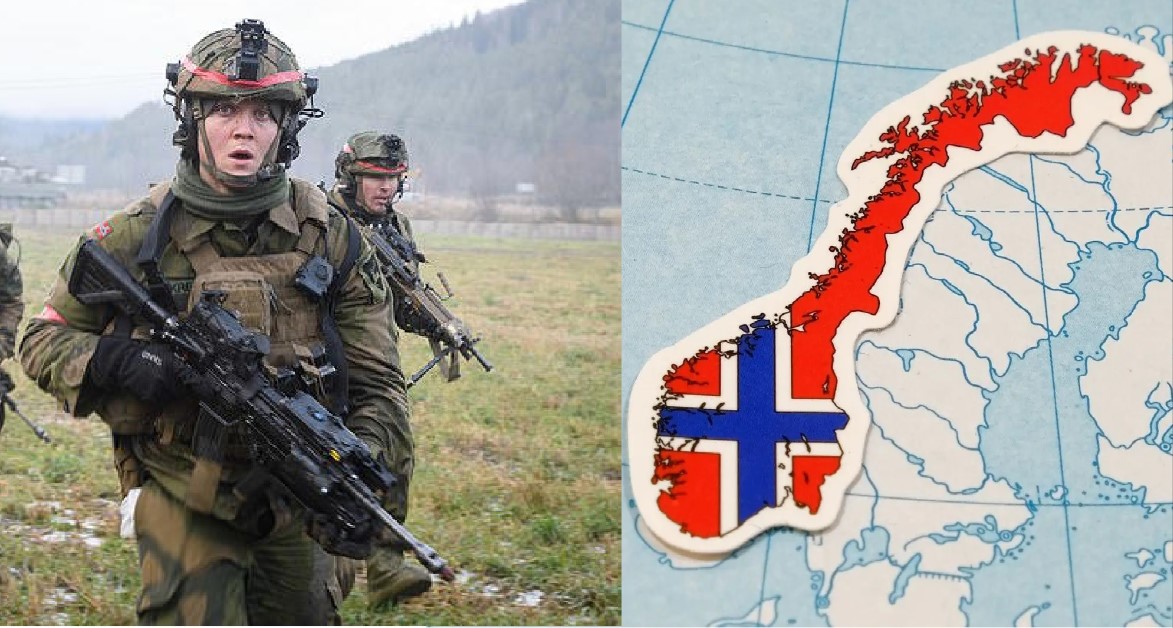
France joins a small but symbolically significant European military footprint already established on the island. Germany, Sweden, and Norway have each sent military personnel to Greenland as part of coordinated exercises with Danish forces. While troop numbers remain limited, defense officials across Europe describe the deployments as an early step toward a more coordinated Arctic posture.
Discussions are also under way within the United Kingdom government regarding a possible British contribution. British officials have confirmed talks with European allies on the feasibility of deploying a contingent to Greenland, reflecting mounting concern over security dynamics in the High North.
Calls for a Permanent European Force
The debate intensified after Patrick Sensburg, head of Germany’s Reservists’ Association, publicly called for the deployment of a permanent European brigade in Greenland. Sensburg argued that Europe must demonstrate a credible and sustained presence in the Arctic, citing the island’s increasing geopolitical importance and statements by Donald Trump regarding potential U.S. control.
“Europe must show that it takes responsibility for its own security interests in the Arctic,” Sensburg said, warning that symbolic deployments alone may not be sufficient in the long term.
Trump’s Remarks and Arctic Tensions
Trump has repeatedly described Greenland as strategically vital, pointing to its location between North America and Europe and its proximity to emerging Arctic shipping routes. He has also voiced concerns about growing Russian and Chinese activity in the Arctic, including military modernization and economic projects linked to natural resources and infrastructure.
Although Trump is no longer in office, his comments have continued to reverberate in European capitals, particularly in Denmark, which retains sovereignty over Greenland while granting the island broad autonomy.
Denmark Signals Long-Term Military Expansion
Denmark’s Defense Minister Troels Lund Poulsen said Copenhagen is moving toward establishing a more permanent and expanded military presence in Greenland. Danish plans include enhanced surveillance, upgraded air and naval capabilities, and closer coordination with European and NATO partners to monitor activity across the Arctic region.
Poulsen stressed that the measures are defensive in nature and aimed at ensuring regional stability, search-and-rescue capability, and the protection of Danish and allied interests.
European Unity and U.S. Congressional Pushback
Amid the heightened rhetoric, leaders of major European countries issued a joint statement reaffirming the inviolability of Denmark’s sovereignty and Greenland’s status as an autonomous territory within the Danish realm. The declaration emphasized that any change to Greenland’s status could only occur through peaceful and legal means.
In Washington, a bipartisan group of U.S. lawmakers has introduced legislation seeking to bar any U.S. administration from using federal funds to invade or seize territory belonging to NATO member states, a move widely seen as a direct response to Trump’s earlier statements on Greenland.
Arctic Emerging as Strategic Front Line
Taken together, France’s deployment, Denmark’s long-term military plans, and growing European coordination highlight how Greenland is rapidly emerging as a focal point of Arctic geopolitics. As climate change opens new sea routes and access to strategic resources, European governments appear increasingly determined to ensure that the future of the island — and the broader Arctic region — is shaped through cooperation, alliance unity, and respect for sovereignty, rather than unilateral ambition.
About the Author
Aditya Kumar:
Defense & Geopolitics Analyst
Aditya Kumar tracks military developments in South Asia, specializing in Indian missile technology and naval strategy.
Top 6 Latest Posts


Leave a Comment: Don't Wast Time to Posting URLs in Comment Box

2026-01-18 07:27:09
HEY, LET'S PLAY "NATO MEMBERS KILL EACH OTHER" THE NEW GAME FROM YOU LOCAL HEROIN DEALER. IN THIS GAME, YOU GET TO PAY THE PENTAGON HEROIN MAFIA TO INSTALL AN ISLAMIC CALIPHATE IN GREENLAND FOR THE NATO HEROIN MAFIA.
