France Accelerates Base Protection with 30mm and 40mm Anti-Drone Defense Systems
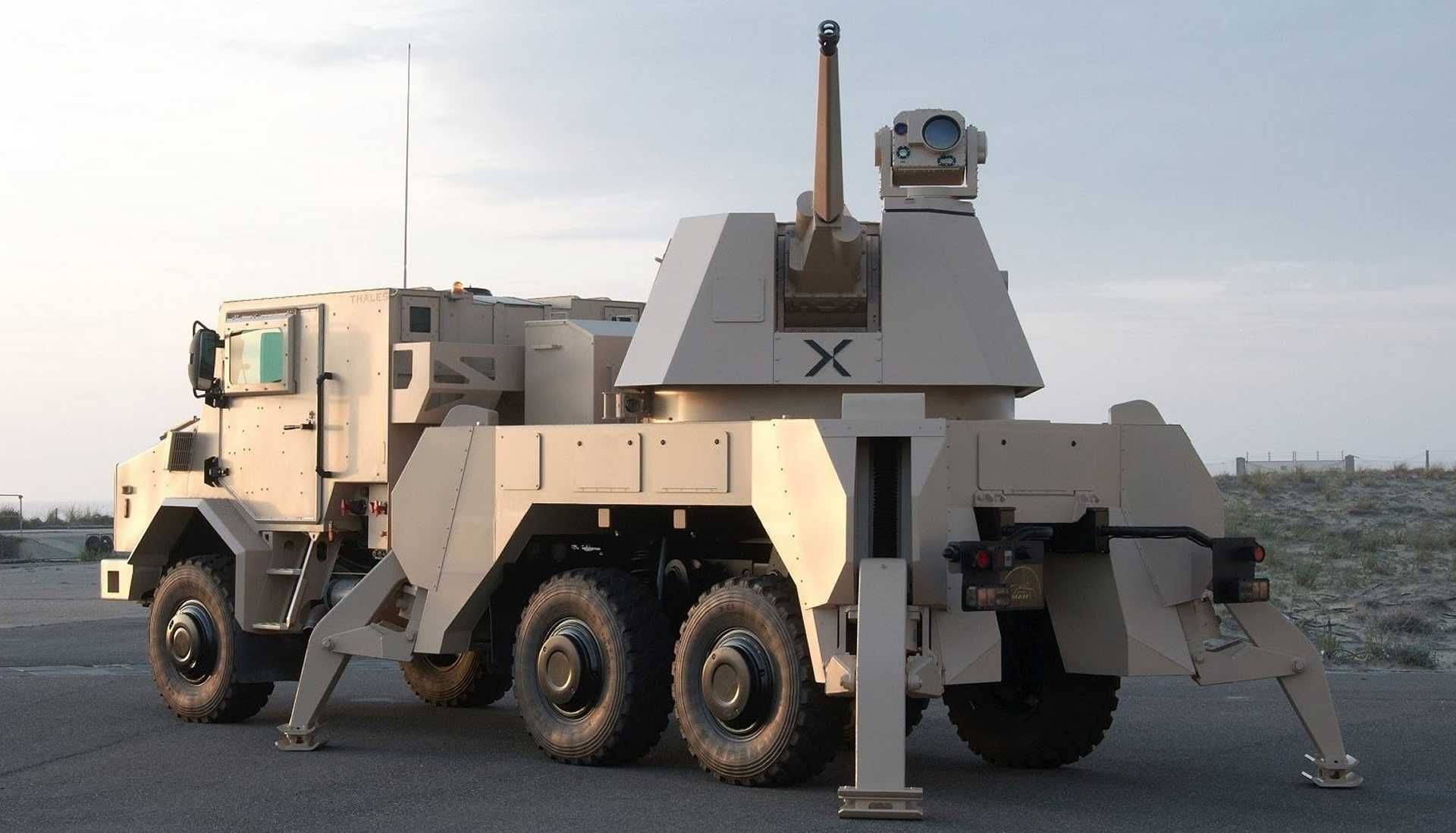
The French Armed Forces are stepping up efforts to protect military bases and critical infrastructure by expanding the use of 30mm and 40mm kinetic air defense systems, especially to counter the growing threat from drones. This shift represents a major doctrinal change that focuses on cost-effective, mobile, and layered air defense, moving beyond traditional missile-based systems.
The announcement was reaffirmed during a parliamentary hearing on July 9, 2025, where General Jérôme Bellanger, Chief of Staff of the Air and Space Force, emphasized the need for low-cost artillery solutions for base protection. He pointed out that kinetic weapons using 30mm or 40mm calibers offer a more affordable alternative to missile systems like Mistral. General Thierry Burkhard, Chief of the Defence Staff, echoed these views, calling for urgent upgrades in ground-based air defense, particularly against unmanned aerial systems (UAS).
30mm Systems: Mobile Shield Against Drone Swarms
The French Army is integrating 30mm cannons into the new Serval C-UAV variant—an agile light armored vehicle built specifically for counter-drone operations. The vehicle mounts the ARX 30 turret, which is armed with the 30M781 cannon, derived from the GIAT 30 on the Tigre attack helicopter. It features programmable airburst munitions, designed to detonate mid-air and create a fragmentation cloud capable of neutralizing micro and mini drones within a 2 km effective range.
The Serval C-UAV is equipped with 3D radar and RF detectors for autonomous drone detection and targeting, making it highly responsive for convoy protection and forward deployments. France has initially ordered 24 vehicles, with the option to increase to 48 under the Military Programming Law, and deployment is scheduled for 2028.
40mm Systems: Powerful Layered Defense with RapidFire
On a parallel track, France is fielding the 40mm RapidFire system, jointly developed by KNDS France and Thales. It is based on the CT40 cannon, which uses cased telescoped (CT) ammunition, offering greater firepower, compact design, and ammunition efficiency.
The naval version of RapidFire has been operational since 2023, mounted on ships like the BRF Jacques Chevallier, while the land-based version—introduced in 2025—is intended to guard air bases, command posts, and logistical hubs. Land variants are available in 6×6, 8×8 mobile, and semi-fixed container formats, and the French Armed Forces have ordered at least 14 units, with a possible expansion to 48 systems by 2027.
The system is capable of firing up to 200 rounds per minute, and uses A3B programmable airburst rounds to destroy drones at ranges up to 4 kilometers. The common cannon architecture across both land and naval systems ensures logistical simplicity and training efficiency.
Ammunition Supply Secured and Scaled
All 40mm CT ammunition is produced by CTA International, a KNDS France–BAE Systems joint venture, with production spread across Haute-Savoie, Cher, and Manche. To ensure independence and supply chain resilience, the French Ministry of Armed Forces has secured a contract for 25,000 rounds, worth €150 million, with annual production set to scale to 30,000 rounds from 2027. The family of 40mm CT ammunition includes general-purpose (GPR), armor-piercing (APFSDS), and A3B airburst types, supporting diverse tactical needs.
A Complementary Defense Layer to Missile Systems
Both 30mm and 40mm systems serve distinct but complementary roles. The 30mm Serval C-UAV is highly mobile and optimized for close-range swarm threats, while the 40mm RapidFire provides extended range, broader lethality, and programmable targeting for fixed-site defense. Together, they offer a cost-effective kinetic layer beneath missile-based systems like Mistral and VL MICA, enhancing the French SHORAD (Short Range Air Defense) architecture.
Adapting to a Global Drone Threat
The shift toward kinetic defenses comes amid a global rise in drone incursions over military bases. In 2024, over 350 unauthorized drone flights were reported over 100+ US military sites, including air bases and naval facilities. Europe, too, has witnessed similar events, from RAF Lakenheath to Ramstein Air Base, underscoring the need for dedicated anti-drone defenses.
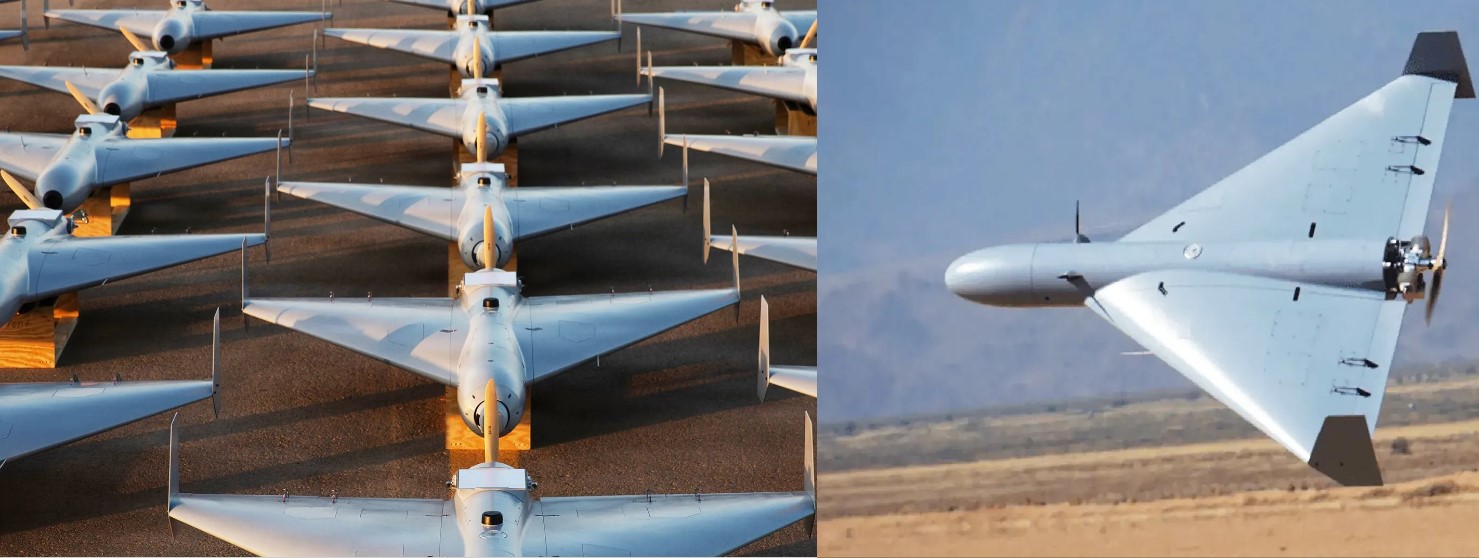
In warzones like Ukraine and Syria, drones have evolved into tools for reconnaissance, loitering attacks, and psychological warfare, sometimes dropping munitions or acting as decoys to trigger air defense responses. These trends have exposed weaknesses in traditional defenses, leading to a global push for dedicated counter-UAS capabilities.
Future-Proofing French Air Defense
France’s renewed focus on affordable, layered air defense aligns with the 2024–2030 Military Programming Law, which allocated €500 million for air defense in 2025 alone. This includes investments in directed energy weapons, munitions, and joint-force integration. Large-scale exercises like Orion 2026 will validate these capabilities, testing sensor-to-shooter coordination and multi-domain interoperability across services.
The path forward is clear: in an era of rapidly advancing drone warfare, France is laying the foundation for a resilient, scalable, and cost-effective air defense ecosystem—rooted in 30mm and 40mm kinetic systems that promise to shield both mobile forces and strategic bases in a changing threat landscape.
✍️ This article is written by the team of The Defense News.